

Oil Tanker Semi-Trailer Buying Guide 2026: How to Choose the Right Fuel Transport Trailer for Your Fleet
The global oil tanker semi-trailer market is undergoing a significant transformation in 2026. Valued at approximately $946 million in 2025, the sector is projected to reach $1,156 million by 2034, growing at a CAGR of 3.5% according to Intel Market Research. For fleet operators, logistics managers, and procurement professionals across Africa, the Middle East, and Southeast Asia, this growth creates both opportunity and complexity.
Two major developments are reshaping purchasing decisions right now. First, Saudi Arabia’s Standards, Metrology and Quality Organization (SASO) introduced new compliance regulations for fuel transport tanks in May 2026, tightening safety and certification requirements for all trailers entering the Gulf market. Second, East Africa’s aggressive infrastructure investment program — highlighted by S&P Global’s 2026 East Africa Briefing — is expanding fuel distribution networks and driving demand for modern tanker fleets in Nigeria, Kenya, and Tanzania.
Whether you’re replacing aging equipment or expanding into new markets, this guide will help you navigate the key specifications, safety standards, and cost factors that matter most.
Industry Trends Shaping Oil Tanker Purchases in 2026
1. Lightweight Aluminum Tanks Are Now the Default Choice
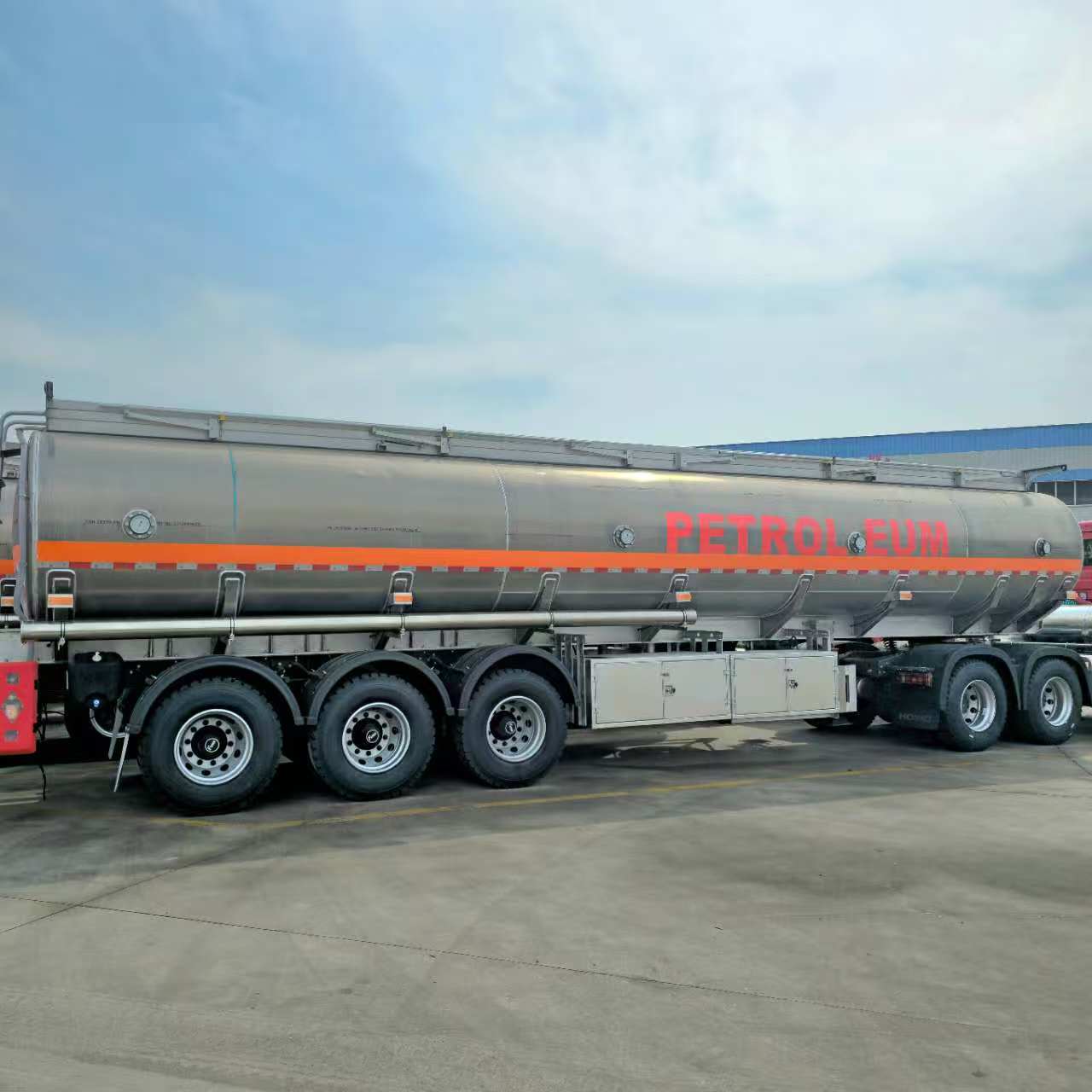
The industry has decisively shifted toward lightweight aluminum and magnesium-aluminum hybrid tank bodies. These designs reduce tare weight by 15–20% compared to traditional carbon steel, directly increasing payload capacity and reducing per-trip fuel consumption. For high-mileage operations, the weight savings translate to a 10–12% improvement in annual revenue per unit.
2. SASO’s New Compliance Regulations for Gulf Markets
In May 2026, SASO published updated technical regulations covering petroleum product transportation tanks. Any manufacturer exporting fuel tanker trailers to Saudi Arabia must now comply with enhanced structural integrity testing, explosion-proof fittings requirements, and reinforced chassis specifications. If your fleet operates in GCC countries, verifying SASO compliance should be the first item on your procurement checklist.
3. Africa Leads Global Demand
According to 2026 fuel semi-trailer market data, Africa has emerged as the world’s leading import destination for fuel tanker semi-trailers. Nigeria, Kenya, and Tanzania are the primary buyers, driven by expanding fuel distribution networks and fleet modernization programs. Latin America — particularly Brazil — is described as a “surprise growth story” due to deteriorating transport assets requiring replacement.
4. Factory-Installed Telematics Becomes Standard
IoT-based monitoring systems for real-time tracking of tank pressure, temperature, brake wear, and GPS location have moved from optional to essential. As fleet managers note, “retrofitting telematics is twice as expensive” as factory integration. Modern tanker trailers from leading Chinese manufacturers now ship with embedded sensor suites and digital transfer logs as standard.
Oil Tanker Semi-Trailer Types: Comparison Table
Choosing the right tanker type depends on your cargo, route conditions, and regulatory environment. Here’s a side-by-side comparison of the most common configurations:
| Specification | Carbon Steel Tanker | Aluminum Alloy Tanker | Stainless Steel Tanker |
|---|---|---|---|
| Tank Capacity | 30,000–60,000 L | 30,000–55,000 L | 25,000–50,000 L |
| Tare Weight | 8,500–12,000 kg | 6,500–9,500 kg | 9,000–12,500 kg |
| Payload Advantage | Standard | +15–20% vs steel | Standard |
| Corrosion Resistance | Low (requires coating) | High | Very High |
| Suitable Cargo | Diesel, gasoline, crude oil | Refined petroleum, aviation fuel | Chemicals, food-grade liquids |
| Typical Price Range (FOB) | $18,000–$35,000 | $28,000–$52,000 | $35,000–$65,000 |
| Lifespan | 10–15 years | 15–20 years | 20+ years |
| Best For | Cost-sensitive fleets, domestic routes | High-mileage, cross-border ops | Chemical/food transport |
| Axle Options | 2–4 axles | 2–4 axles | 2–3 axles |
Nanou Engineering Team Recommendation: “For operators running fuel distribution routes in Sub-Saharan Africa, we recommend aluminum alloy tankers with 3 axles and reinforced suspension. The weight savings pay for themselves within 18 months, and the corrosion resistance handles tropical humidity far better than carbon steel.” — Nanou Automobile R&D Division
How to Choose the Right Oil Tanker Semi-Trailer: 5 Key Factors
1. Identify Your Cargo Type and Safety Classification
Different fuels require different tank specifications. Diesel and gasoline fall under standard flammable liquid transport (Class 3 hazardous materials), while aviation fuel demands higher cleanliness standards and internal baffles to prevent surge. For chemical transport, stainless steel or lined tanks with DOT-407 or DOT-412 certification may be mandatory.
2. Verify Safety Standard Compliance for Your Target Market
This is where many buyers make costly mistakes. Key certifications to verify:
- SASO Technical Regulation — Required for all fuel transport tanks entering Saudi Arabia and GCC markets. The May 2026 update includes enhanced structural testing and explosion-proof fitting requirements.
- DOT-406 / DOT-407 / DOT-412 — US Department of Transportation classifications for tank design, pressure ratings, and material requirements.
- ADR Compliance — European agreement on international carriage of dangerous goods by road, required for EU and many CIS countries.
- ASME / EN Standards — Pressure vessel certifications for tank body construction.
Always request the manufacturer’s test certificates and verify them with the issuing authority before shipment.
3. Evaluate Axle Configuration and Suspension
Axle count directly affects weight distribution, road legality, and tire wear:
- 2-axle: Suitable for lighter loads (≤35 tons GCW), shorter routes
- 3-axle: The sweet spot for most fuel distribution operations (35–50 tons GCW)
- 4-axle: Required for heavy-duty, long-haul operations in markets with strict axle-load limits
Air suspension offers better ride quality and tank protection but costs 20–30% more than mechanical leaf spring suspension. For rough African roads, reinforced mechanical suspension with oversized shackles is generally more practical and easier to maintain.
4. Assess Compartment Configuration
Multi-compartment tanks (3–5 compartments) allow you to transport different fuel grades simultaneously — a significant advantage for distribution companies serving multiple customer segments. However, each additional compartment adds weight and complexity. For single-product bulk transport, a 2-compartment design with anti-surge baffles offers the best balance of capacity and stability.
5. Inspect Safety and Anti-Theft Features
Modern oil tanker semi-trailers should include:
- Emergency shut-off valves (bottom loading/unloading)
- Vapor recovery system connections
- Anti-surge baffles (internal)
- GPS tracking and telematics (factory-installed)
- Anti-theft manhole covers with tamper-evident seals
- Fire suppression system mounting points
Businesses upgrading to modern fleets report up to 30% reduction in transportation costs, partly due to improved anti-theft technology and fuel tracking systems.
Frequently Asked Questions (FAQ)
Q1: What is the typical lead time for ordering an oil tanker semi-trailer from China?
A standard fuel semi-trailer typically ships within 25 to 35 days from order confirmation at established manufacturers like Shandong Nanou Automobile. Custom configurations (special compartment layouts, non-standard axle counts, or specific safety certifications) may require 40–50 days. Always confirm the production schedule and request weekly progress photos.
Q2: How do I ensure the tanker meets SASO requirements for Saudi Arabia?
Since SASO’s May 2026 regulation update, all petroleum transport tanks must pass enhanced structural integrity testing and include explosion-proof fittings. Work with manufacturers who have prior SASO certification experience and can provide SGS or TÜV inspection reports. Request a pre-shipment inspection at the factory to verify compliance before the trailer leaves China.
Q3: Aluminum vs. carbon steel tanker — which is more cost-effective long-term?
While aluminum tankers cost 40–60% more upfront, the 15–20% payload advantage and lower maintenance requirements (no rust, less coating work) typically deliver ROI within 18–24 months for fleets running over 80,000 km annually. For low-mileage or seasonal operations, carbon steel may still be the more economical choice.
Q4: What axle configuration do I need for cross-border fuel transport in Africa?
Most East African countries (Kenya, Tanzania, Uganda) enforce a 56-ton GCW limit for 6-axle combinations (3-axle tractor + 3-axle trailer). West African ECOWAS countries generally allow up to 50 tons. A 3-axle trailer with air suspension and oversized tires (12R22.5) is the most versatile configuration for pan-African operations.
Q5: Can I transport multiple fuel types in the same tanker?
Yes, multi-compartment tankers (3–5 compartments) allow simultaneous transport of different fuel grades — for example, PMS (petrol), AGO (diesel), and ATK (kerosene) in separate compartments. Each compartment must have independent loading/unloading valves and vapor recovery connections to prevent cross-contamination.
Q6: What safety equipment is mandatory vs. optional on oil tanker trailers?
Mandatory equipment varies by market but universally includes: emergency shut-off valves, fire extinguisher mounts, rear bumper/underrun protection, reflective markings, and hazard placards. Highly recommended additions include factory-installed GPS telematics, anti-surge baffles, rollover protection valves, and anti-theft manhole seals.
Related Reading
- Skeleton Semi Trailer for Sale: Container Chassis Types, Specs & Prices (2026) — If your operations also involve intermodal container transport, this guide covers skeleton chassis selection.
- Multi-Axle Lowbed Trailer Buying Guide 2026 — For heavy equipment and oversized cargo transport, explore our lowbed trailer selection guide.
- How to Choose a Flatbed Semi-Trailer: Complete Buyer’s Guide (2026) — General-purpose flatbed trailers remain essential for mixed-cargo logistics operations.
About Shandong Nanou Automobile Co., Ltd.
Shandong Nanou Automobile is a leading semi-trailer manufacturer based in Liangshan County, Shandong Province — China’s trailer manufacturing hub. With over 230 product models across 10 categories, including oil tanker semi-trailers, low flatbed trailers, dump trailers, container chassis, and energy storage transport solutions, Nanou serves fleet operators across Africa, the Middle East, Southeast Asia, and Latin America.
Every Nanou oil tanker semi-trailer undergoes rigorous quality testing, including hydraulic pressure testing, weld inspection, and road-load simulation. Our engineering team provides customized solutions to meet specific market certifications including SASO, DOT, ADR, and local road authority requirements.
Ready to upgrade your fuel transport fleet? Contact our sales team for a detailed quotation:
- Email: nanou-automobile@nanou-trailer.com
- WhatsApp: +86 159 7063 7777
- Phone: +86 153 1547 7956 / +86 159 7063 7777
- العنوان: Jiezhuang Village Industrial Park, Liangshan County, Shandong Province, China
SEO Tags: oil tanker semi-trailer, fuel tanker trailer buying guide, petroleum transport trailer 2026, SASO fuel tank regulation, aluminum tanker vs steel tanker, fuel tanker trailer Africa, oil tanker semi-trailer manufacturer China, tanker trailer safety standards DOT ADR