

The compliance threshold for liquefied gas tanker trucks: four doors, none of which are indispensable
Liquefied gas tank trucks belong to mobile pressure vessels and are not subject to the same rules as atmospheric tank trucks. It has to pass through four doors continuously from manufacturing to road use; Any disconnection puts the entire vehicle in an ‘illegal operation’ state.
The first door: the “special equipment identity” of the tank body
This regulation is: before the car hits the road, the tank must be legal first.
-Manufacturing end: The manufacturing unit must obtain a manufacturing license for pressure vessels (mobile pressure vessels), and the products must pass supervision and inspection. The tank body certificate, supervision and inspection certificate, strength calculation sheet, and safety accessory quality certification documents are attached to the factory.
-User end: Apply for a registration certificate for the use of mobile pressure vessels, with one certificate for each vehicle, and the certificate specifies the carrier medium; Only media listed on the registration certificate can be pulled, otherwise it is illegal.
-Inspection end: Conduct annual inspections and conduct regular (comprehensive) inspections on a periodic basis; Failure to inspect within the deadline prohibits operation.
-Institutional end: Tank inspection must be entrusted to a tank inspection agency jointly announced by the market supervision department and the transportation department, and cannot randomly find a repair shop to issue a report.
-Change end: Major maintenance and renovation of the tank body must be carried out by qualified enterprises, and can only be resumed after obtaining a certificate of conformity through professional organization inspection.
The Second Door: Qualifications of Enterprises and Vehicles
-Enterprises must obtain a license for the transportation of dangerous goods on roads, and their business scope should cover the medium being transported.
-The vehicle’s Road Transport Certificate must indicate the transportation of dangerous goods, and the vehicle’s technical level must reach level one; Vehicles that meet the scrapping standards, undergo unauthorized modifications, or fail inspections shall not be allowed to operate.
-Tank vehicles must purchase vehicles that have obtained a factory certificate of conformity for the tank body, and establish a one vehicle one file system (with complete tank body certificate, safety accessory certificate, inspection report, and maintenance records).
-Prohibiting affiliated operations is the strictest law in recent years.
-Purchase carrier liability insurance (a mandatory requirement for the transportation of dangerous goods).
The Third Door: Qualifications of People
-Driver: A2 license is required for towing a semi-trailer and holding a dangerous goods transportation qualification certificate.
-Escort: Hold a professional qualification certificate and escort the vehicle throughout the entire process, not only during inspections.
-Enterprise: Equip safety management personnel and vehicle technical management personnel according to the number of vehicles and business categories.
The Fourth Door: Rules of Transportation Process
-Electronic waybill: One vehicle, one waybill, all goods, media, origin and destination, and escorts can be traced.
-Homework rules: Implement JT/T 617 “Rules for Road Transport of Dangerous Goods”, covering loading, isolation, speed limit, stopping in transit, and emergency response.
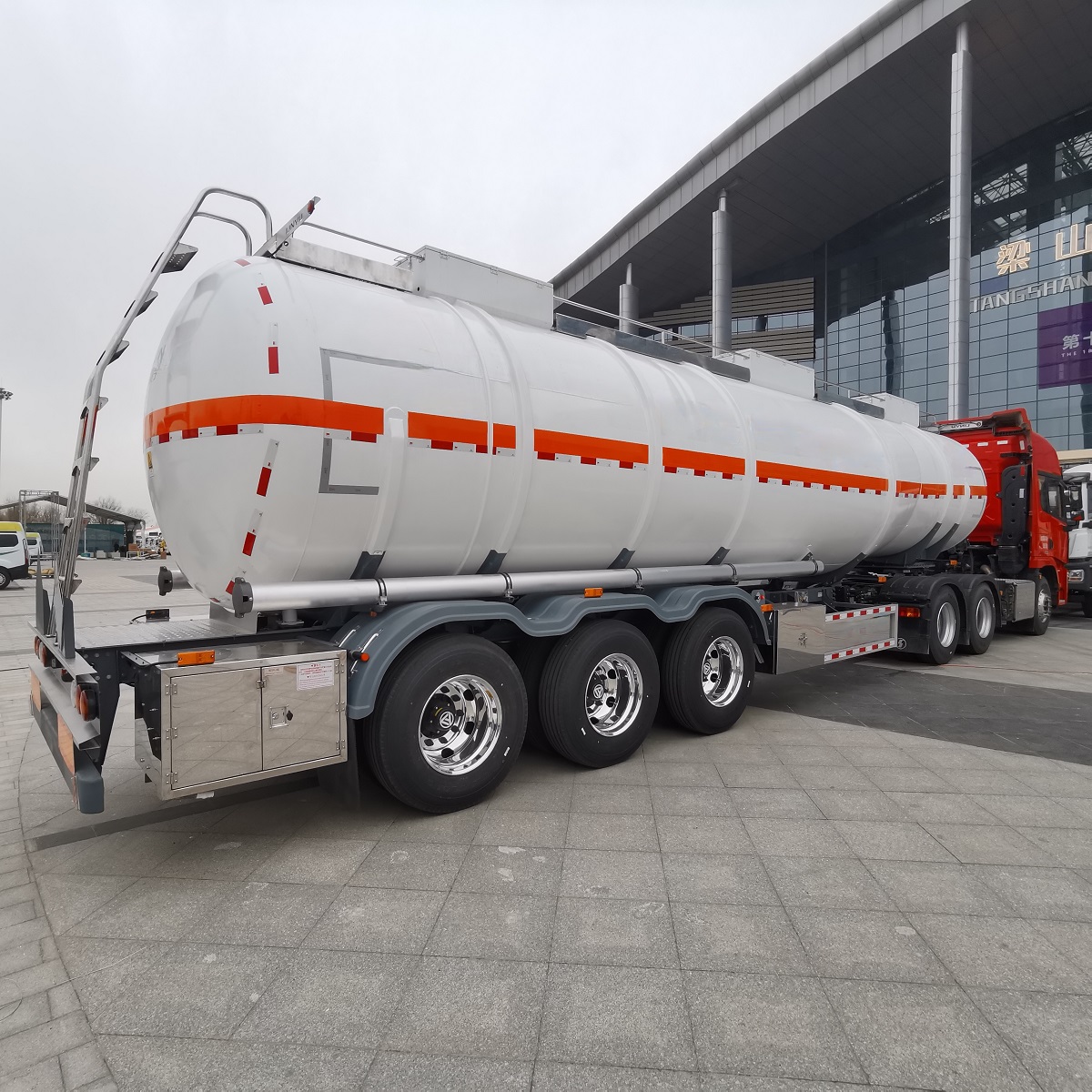
-Vehicle signs: Hang dangerous goods signs and orange reflective tape according to GB 13392.
-Dynamic monitoring: Beidou/GPS online, warning for speeding, fatigue driving, and deviation from the route.
-Traffic restrictions: Avoid restricted areas and time periods, and comply with the regulations on the passage of dangerous goods transport vehicles on highways.
-Filling end linkage: The filling unit must have a filling permit, verify the use registration certificate, inspection validity period, medium consistency, and residual pressure in the tank before filling, and control the filling amount according to the filling coefficient (propane ≤ 0.42 t/m ³) to form a filling record. Pretending to be non compliant and running to be compliant is useless.
-Emergency preparedness: specialized emergency plans, equipment allocation, and regular drills.