

Application scenarios of semi trailers for transporting molten iron
1、 Mainly used in industries
- Steel joint venture
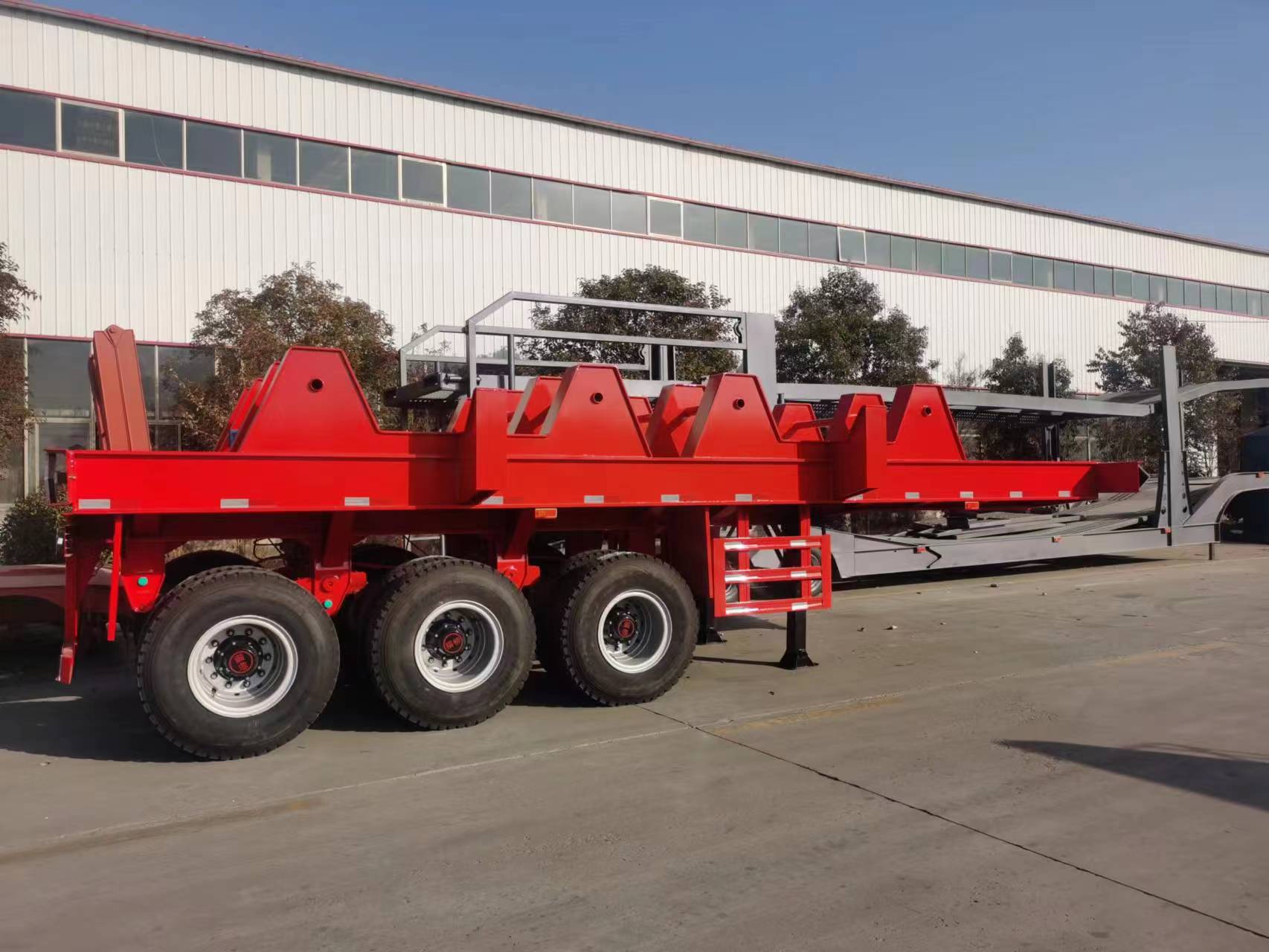
After the blast furnace produces iron, the ladle filled with molten iron is transferred from the blast furnace area to the converter steelmaking workshop; It can also transport steel ladles, slag tanks, and transport molten steel and high-temperature steel slag. The transformation scene of old steel mills is particularly common, without the need to build new tracks. - Large scale foundries
Large scale steel casting and heavy equipment casting enterprises transport melted molten iron from the smelting section to the pouring station, suitable for the production of large tonnage castings. - Nonferrous metallurgy and smelting plants
It can be adapted to transport high-temperature slag tanks such as molten copper slag and lead slag (by replacing the corresponding bracket).
2、 Typical homework scenario - Blast furnace → converter iron transportation (most mainstream scenario)
The blast furnace produces iron, and the molten iron tank is located on the semi-trailer support. It is pulled by a tractor and transported along the hardened road in the factory area to the steelmaking converter station for iron mixing and steelmaking. - Ladle transfer
After steelmaking, transfer the steel ladle containing molten steel to the continuous casting workshop; It can also be used for offline baking of steel ladles and transportation between maintenance stations. - High temperature slag tank transportation
Undertake the high-temperature slag generated from steelmaking and ironmaking, transport the slag tank to the slag yard for dumping, and cool and treat the waste residue. - Workshop renovation and expansion, temporary transportation conditions
During the stage of factory renovation, track demolition/construction, as a temporary molten metal transfer equipment; Transportation between multiple scattered workstations in the factory area, which cannot be achieved by rail cars through mobile transportation.