

Scenarios for using mainline coal transport vehicles
Four core business scenarios
- Imported coal mainline at the China Mongolia Port (with the highest concentration of mother and child vehicles)
Route: Ganqimaodu (288 ports), Ceke ports → Wuhai, Qipanjing, Ordos, Baotou; Partially extended to Hebei and Ningxia
-Source of goods: Imported coking coal and electric coal from Mongolia, supervised by port customs and loaded into coal yards for loading
-Unloading points: coking plant, coal washing plant, power plant, coal consolidation station
-Distance: 200-500km on one side, Gobi National Highway+Expressway, long downhill slopes with frequent sandstorms
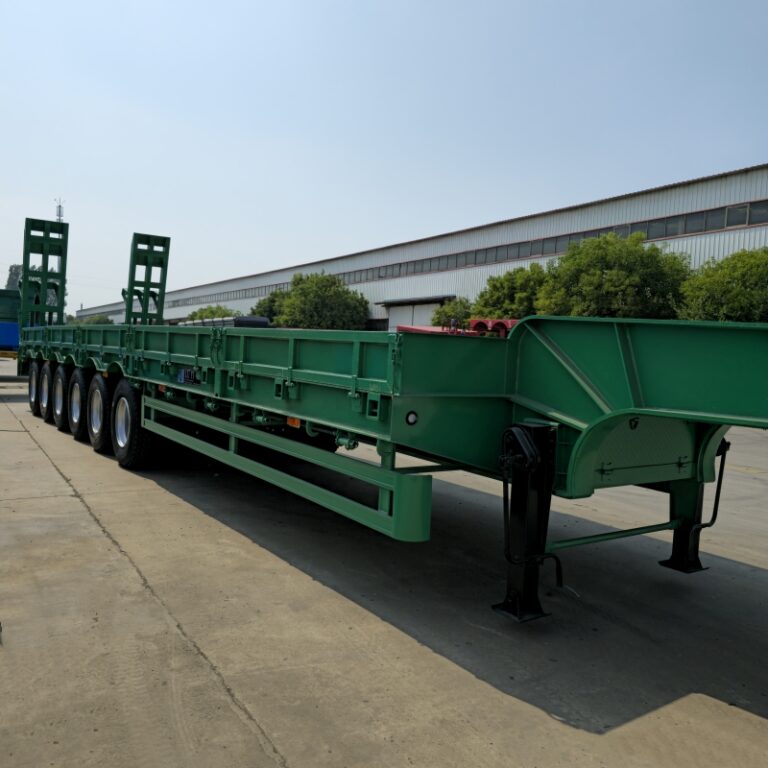
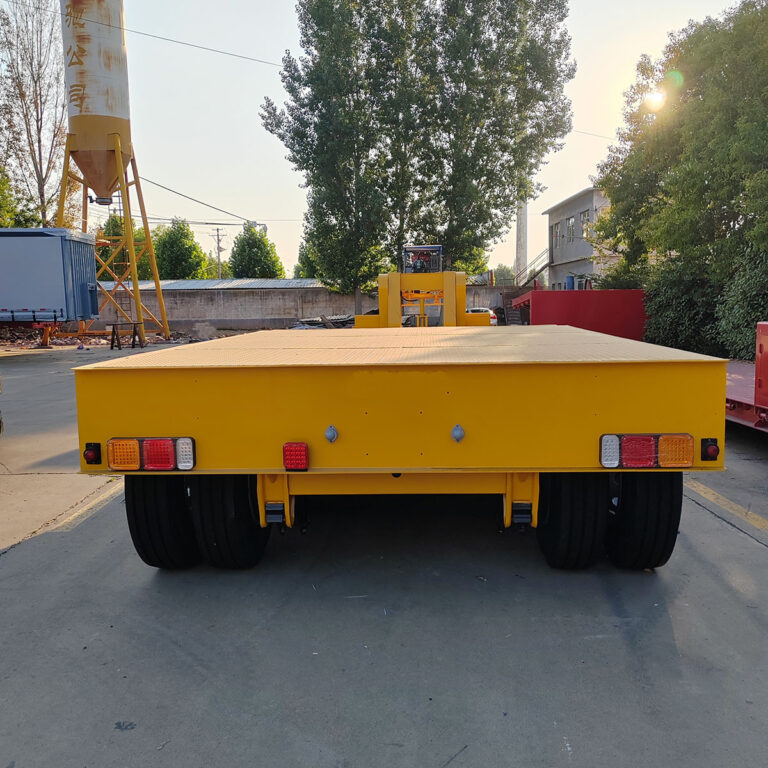
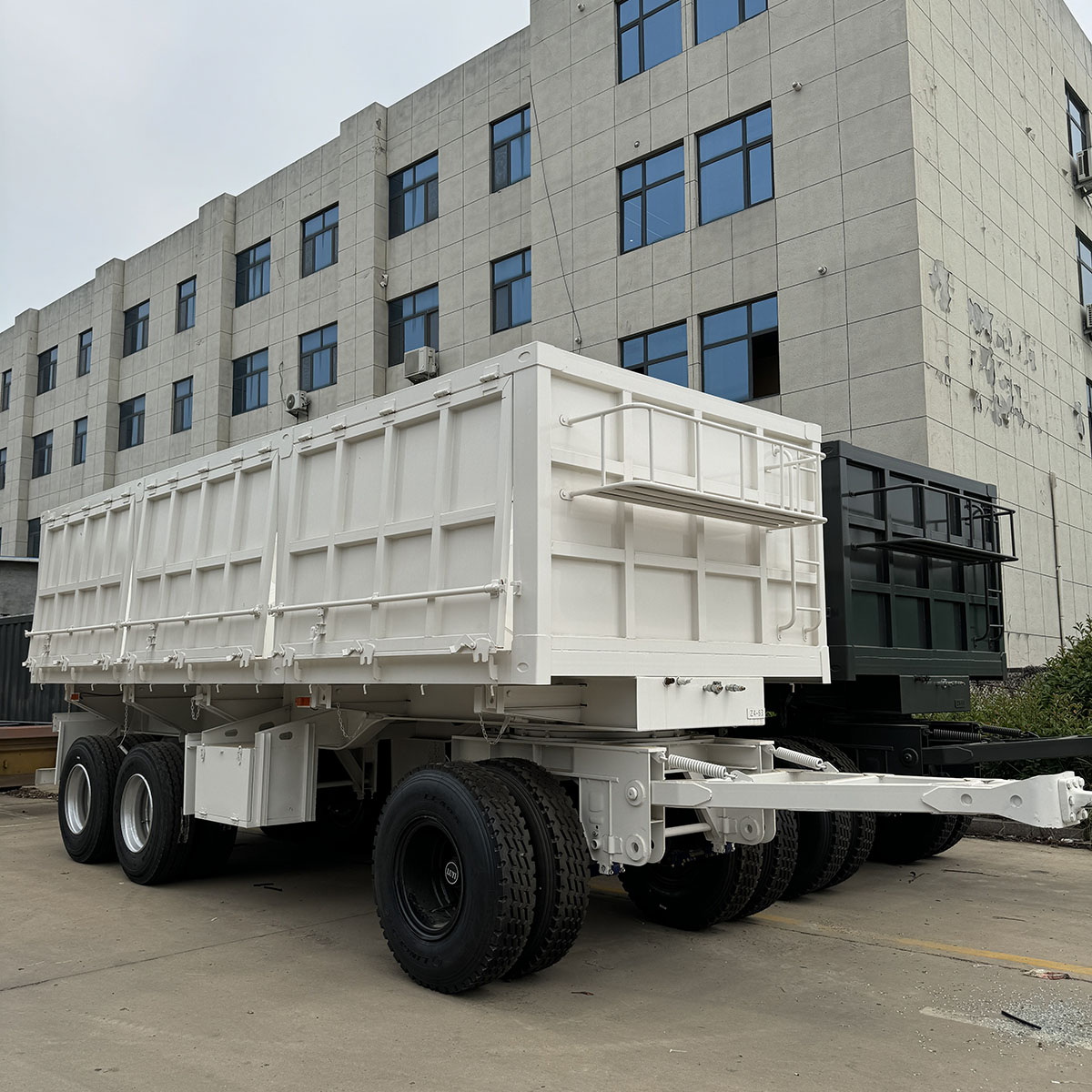
-Characteristics of working conditions: one-way heavy cargo, empty return journey, so a large number of mother and child vehicles are used. When returning empty, the mother vehicle carries the child vehicle, greatly reducing tolls and gas fees; Multi vehicle formation, 24-hour rotating operation - Inner Mongolia local coal mine export trunk line (main production area of Ordos)
Route: Major coal mines in Ordos → Power plants/coking plants/coal yards in Hebei, Shandong, and Shanxi
-Transportation distance: 300-700km on one side, mixed with highways and national roads
-Loading and unloading points: loading and unloading at open-pit mines/underground coal storage yards; Unloading of geothermal power plants, steel plants, and coal washing plants
-Characteristics: Cross provincial long-distance transportation; In recent years, the supply of long-distance goods over 500km has gradually decreased due to the rotation of railways, but there are still factories that cannot be directly reached by railways that retain road transportation; Main force of LNG tractor - Mining area to railway consolidation station (short distance connection of main line)
Route: Coal Mine → Railway Loading Station/Digital Land Port (such as G7 Land Port)
-Transportation distance: 50-150km, belongs to the “collection and distribution” of trunk highways, not the internal roads of mines
-Function: Transport coal to the railway freight yard and then transport it by train, which is the “last section of road connection” of the railway
-Features: High round-trip frequency, 2 trips per day; Fixed route; The penetration rate of heavy-duty trucks in this scenario is rapidly increasing; Coexistence of LNG and battery swapping models - Regional transportation between coal enterprises/power plants
Route: Inter city transportation between Ordos, Wuhai, and Alxa, coal mine → power plant, coal yard → chemical plant
-Transportation distance: 100-300km, mainly national and provincial trunk lines
-Demand: Power plant replenishment, chemical raw material coal, seasonal fluctuations, tight heating season transportation capacity