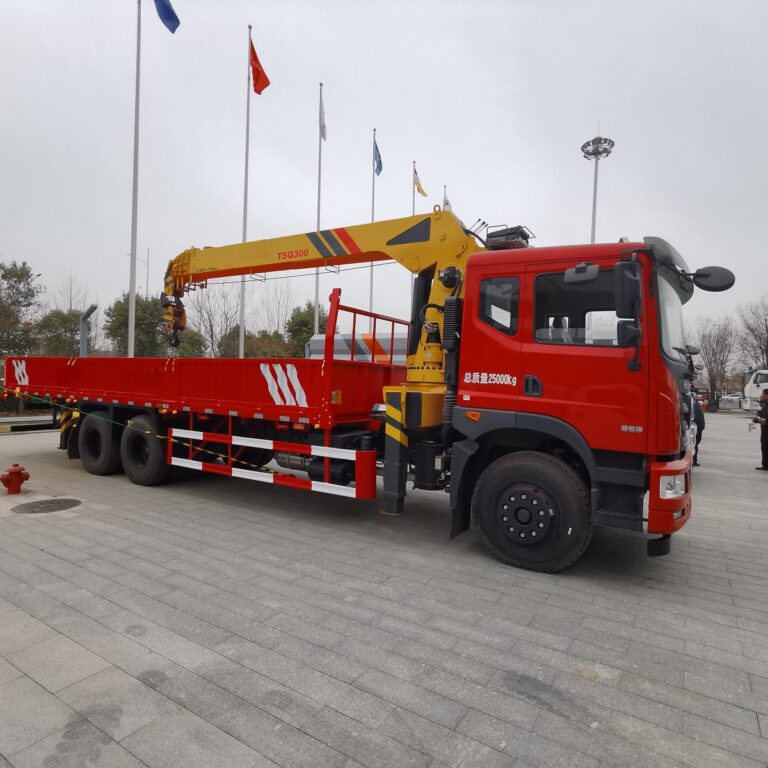


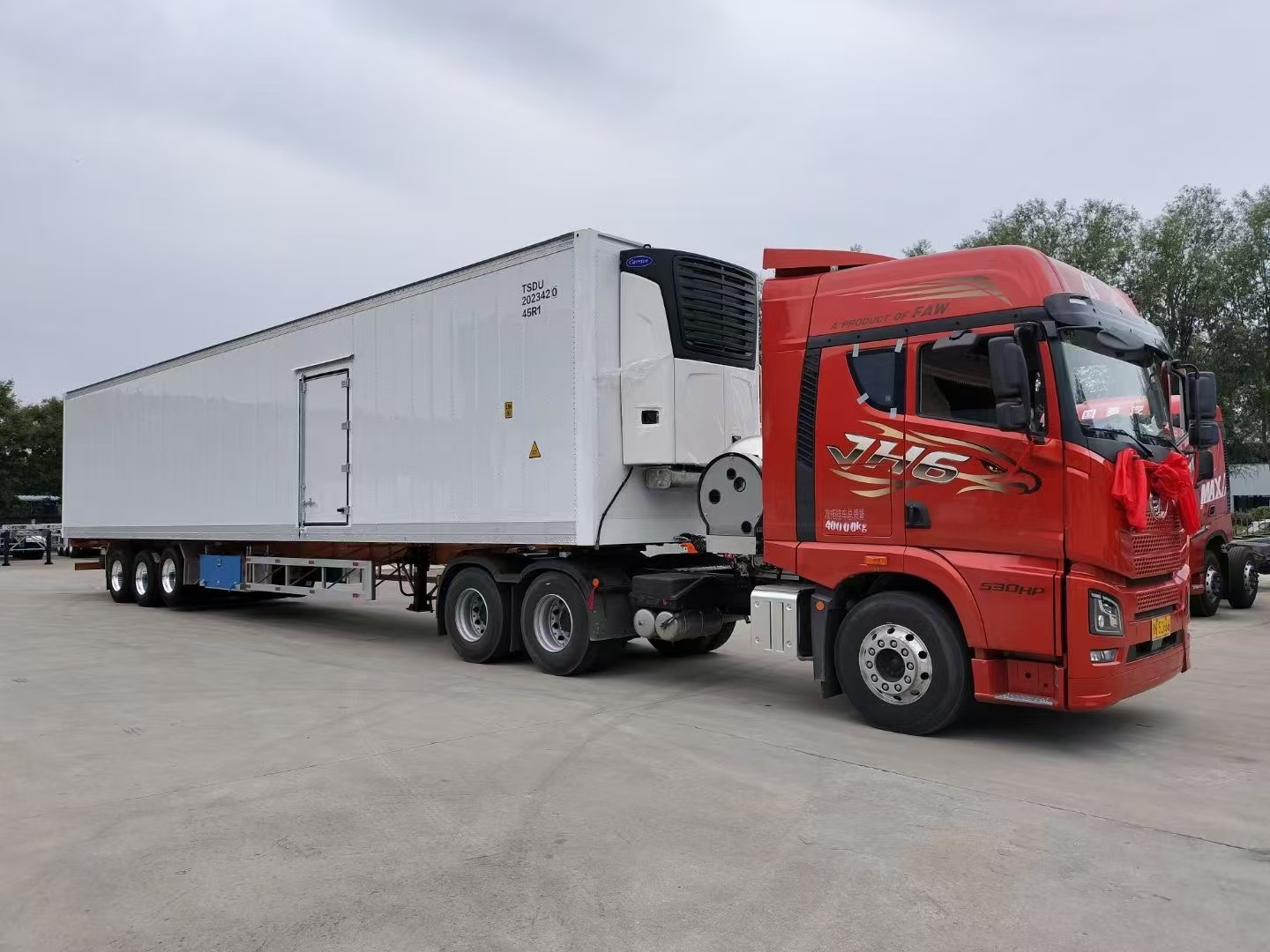
Precautions for container loading process
Load Balance
The weight of the cargo should be evenly distributed to avoid the tilt or sliding of the container caused by the deviation of the center of gravity.
The load on the bottom of the container should be balanced, with 60% of the cargo weight not concentrated within half the length of the container.
Special care should be taken when the packing rate reaches 90% to prevent the goods from being crushed or the containers from deforming.
Cargo securing and dunnage
Fixing: Use securing materials such as steel wire ropes, fiber ropes, and nylon straps to prevent goods from moving during transportation.
Cushioning: For fragile or fragile outer packaging goods, use cushioning materials (such as plywood, foam) to fill the voids to avoid collision damage.
Stacking principle: Place heavy goods at the bottom and light goods on top. Fragile goods should be separately protected, and goods with weak packaging strength should be placed on top.
Handling of special cargo
Dangerous goods: Isolate them from ordinary goods, load them last and unload them first, and affix hazard labels and UN numbers.
Fresh and live goods: Avoid shipping in containers (such as live fish and shrimp) by sea, as they are prone to spoilage due to the long transportation time.
Oversized cargo: Opt for bulk carrier transportation to prevent damage to containers due to exceeding size limits.
Moisture-proof measures: For goods that are prone to moisture (such as paper and textiles), use moisture-proof bags or waterproof pads.
Loading tools and operations
When using equipment such as forklifts, pay attention to the handling instructions on the packaging (such as “Do not invert” and “Keep upright”).
When bundling goods, it is prohibited to use hand hooks to avoid damaging the packaging.
When loading manually, ensure that the goods are stacked neatly to prevent them from becoming loose or collapsing.