

Flatbed Semi-Trailer Demand Surges: How to Secure Reliable Equipment for Summer 2026’s Import Boom
Introduction: A Perfect Storm for Flatbed Transport
The global freight industry is entering one of its tightest periods in years. As of June 2026, U.S. ports are forecasting some of the highest import volumes seen in recent years, and flatbed spot rates are posting consistent year-over-year increases across major corridors. For procurement managers, logistics directors, and construction contractors worldwide, the message is clear: flatbed semi-trailer availability is becoming a critical bottleneck — and those who haven’t secured their equipment are already falling behind.
Whether you’re moving steel coils from a port terminal to a construction site, hauling precast concrete panels across a highway, or transporting heavy machinery between industrial facilities, the flatbed semi-trailer remains the workhorse of modern logistics. But with tightening capacity and rising costs, choosing the right trailer — from a reliable manufacturer — has never been more important.
What the Data Tells Us: Market Growth and Tightening Capacity
The numbers paint a compelling picture. The global cargo transport trailer market was valued at approximately $44 billion in 2025 and is projected to reach $64 billion by 2032, growing at a CAGR of 5.59%. Within this broader market, the flatbed semi-trailer segment is outperforming, with analysts projecting an 8.8% CAGR through the end of the decade.
According to C.H. Robinson’s June 2026 Freight Market Update, truckload capacity across North America is “highly constrained” with “worsening route guide depth” straining flatbed, dry van, and refrigerated segments alike. Meanwhile, flatbed spot rates posted year-over-year increases through May 2026, signaling that demand is catching up with — and in many lanes, exceeding — available capacity.
Several converging forces are driving this surge:
Port congestion and import volumes. U.S. ports are bracing for a record-breaking summer season. Heavy, oversized, and out-of-gauge cargo — exactly the type that requires flatbed equipment — is a growing share of inbound shipments.
Infrastructure spending worldwide. Government-backed construction programs across Africa, Southeast Asia, the Middle East, and Latin America are consuming enormous volumes of steel, cement, and prefabricated structures — all materials that move by flatbed.
Energy sector logistics. Global energy supply chains continue to require flatbed transport for drilling equipment, pipeline sections, and power generation components, even as energy market volatility creates uncertainty in fuel surcharges.
Reshoring and manufacturing shifts. U.S. auto production is actively reshaping freight networks, creating new heavy-haul corridors that demand specialized flatbed configurations.
Choosing the Right Flatbed Semi-Trailer for Your Operation
Not all flatbed trailers are created equal. The right specification depends on your cargo profile, axle load regulations in your target market, and the terrain you’ll be covering. Here are the key considerations for buyers evaluating flatbed semi-trailers in 2026:
1. Axle Configuration and Load Capacity
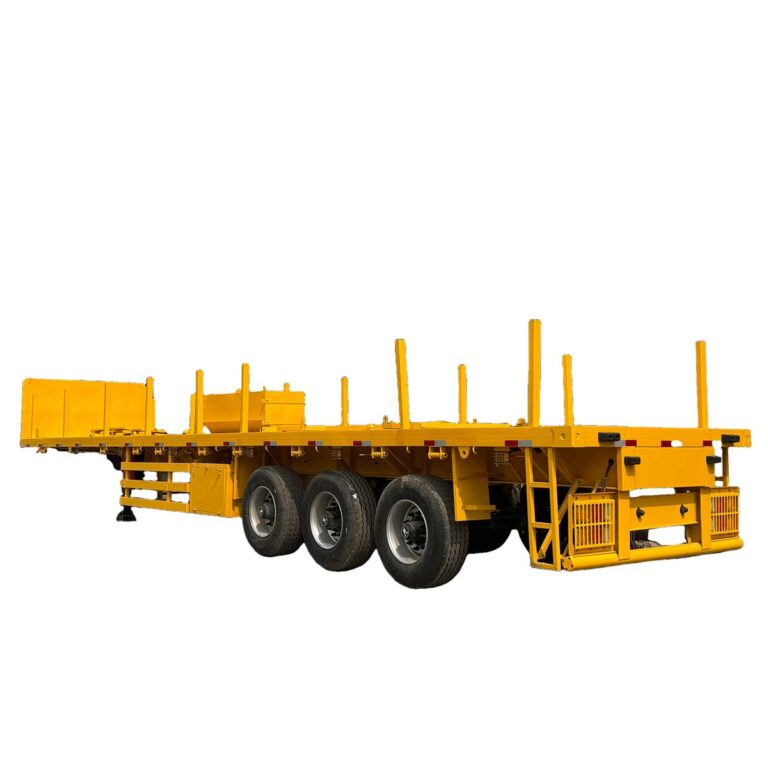
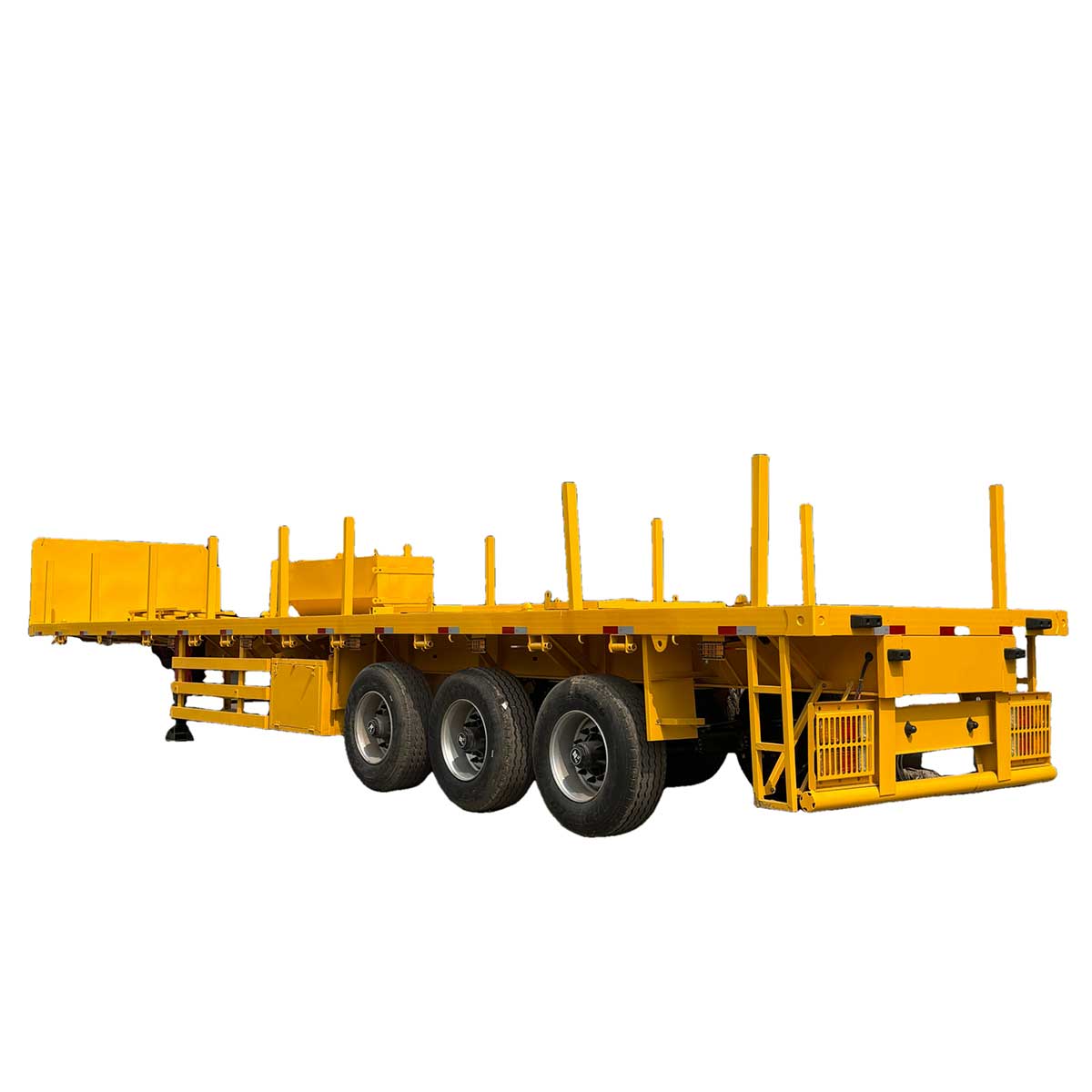
A 3-axle flatbed semi-trailer is the standard workhorse for most general cargo operations, offering a balance between payload capacity and road-legal compliance across most markets. For heavier loads — such as construction equipment, steel structures, or industrial machinery — a 4-axle flatbed semi-trailer provides the additional weight distribution needed for safe, compliant transport.
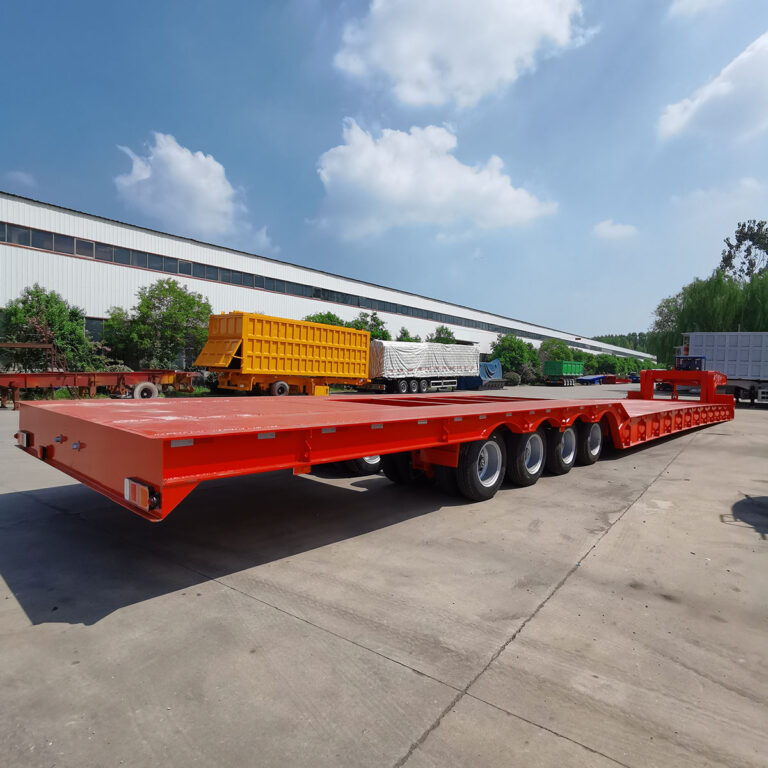
For specialized heavy-haul applications, including wind turbine components or oversized industrial equipment, 5-axle flat configurations offer maximum payload flexibility while meeting international road weight limits.
2. Versatility and Multi-Function Design
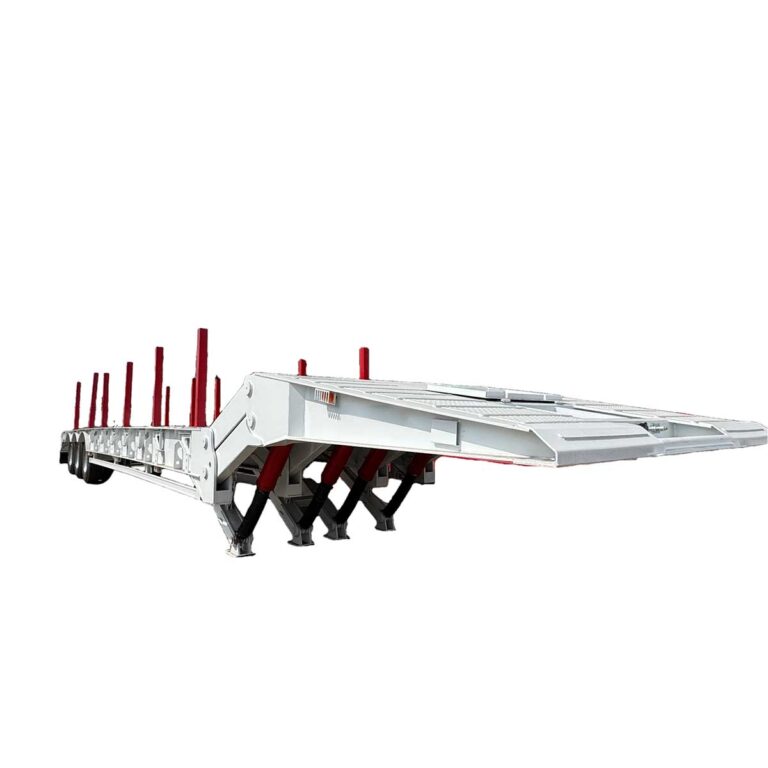
Many operators today need their flatbeds to do double duty — carrying loose cargo one day and containerized loads the next. Multi-functional flatbed semi-trailers with pillar configurations allow operators to switch between flatbed and stake-body modes, dramatically improving fleet utilization rates.
This versatility is particularly valuable in emerging markets where a single trailer may need to handle everything from bagged cement and rebar bundles to containerized equipment.
3. Container Transport Capability
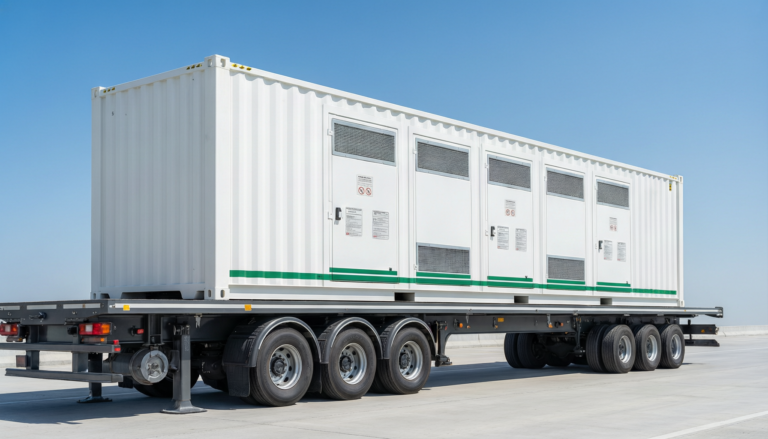
With the summer import surge, many logistics operators need trailers that can handle both standard flatbed cargo and intermodal containers. Container-compatible flatbed semi-trailers combine the flat deck with twist-lock fittings for 20-foot and 40-foot containers, making them ideal for port drayage and multimodal operations.
4. Build Quality and Material Technology
The industry is rapidly transitioning toward lighter, more aerodynamic designs driven by both fuel efficiency regulations and total cost of ownership considerations. Modern flatbed semi-trailers from established manufacturers now feature high-strength low-alloy (HSLA) steel construction, which reduces tare weight without sacrificing load capacity — meaning more payload per trip and lower fuel consumption.
When evaluating suppliers, look for manufacturers that combine advanced materials with proven welding processes, anti-corrosion treatments suitable for marine and tropical environments, and compliance with international standards including DOT, ADR, and ISO certifications.
Why Source from Shandong Nanou Automobile?
Located in Liangshan, Shandong — China’s semi-trailer manufacturing hub — Nanou Automobile produces over 230 semi-trailer models across all major categories. For flatbed semi-trailers specifically, Nanou offers:
- 3-axis, 4-axis, and 5-axle flatbed configurations tailored to different market requirements
- Multi-functional designs with optional pillar and container twist-lock systems
- Custom specifications for regional road regulations (Africa, Middle East, Southeast Asia, CIS countries)
- Competitive factory-direct pricing with no middleman markup
- CCC, ISO, and DOT certifications for international market compliance
The company’s 3-axis flatbed semi-trailer is one of its best-selling models for general cargo applications, offering a robust 40-ton payload capacity with a lightweight design optimized for long-haul efficiency.
Practical Buying Tips for 2026
Given the current market conditions, here are five actionable recommendations for procurement teams:
Order ahead of peak season. With lead times extending due to surging demand, place orders at least 6–8 weeks before you need equipment on the ground. Manufacturers like Nanou can accommodate faster turnaround for standard configurations, but custom specifications require additional planning.
Prioritize versatility. In uncertain economic conditions, multi-purpose trailers that can handle both flatbed and container cargo deliver better ROI than single-purpose units.
Verify compliance documentation. Different markets have different axle load limits, braking requirements, and lighting standards. Ensure your manufacturer provides full compliance documentation for your target market before shipment.
Negotiate long-term supply agreements. If you’re a fleet operator managing 20+ units, establishing a framework agreement with your manufacturer can lock in pricing and guarantee priority production slots during peak demand periods.
Factor in total cost of ownership. The cheapest trailer isn’t always the most economical choice. Consider tire wear patterns, suspension maintenance intervals, and parts availability in your operating region when comparing quotes.
Conclusion: Move Now or Miss the Window
The data is unambiguous: flatbed semi-trailer demand is accelerating, capacity is tightening, and prices are climbing. Whether you’re a construction contractor preparing for a major infrastructure project, a logistics company expanding your fleet for the summer import surge, or a procurement manager sourcing equipment for international operations, the time to act is now.
Ready to discuss your flatbed semi-trailer requirements? Contact the Nanou Automobile sales team for a customized quote:
- Website: www.nanou-trailer.com
- Email: sales@nanou-trailer.com
- WhatsApp: Available on website
- Location: Liangshan, Shandong, China
Browse the full range of flatbed semi-trailers and request specifications tailored to your market: View Flatbed Semi-Trailer Products