

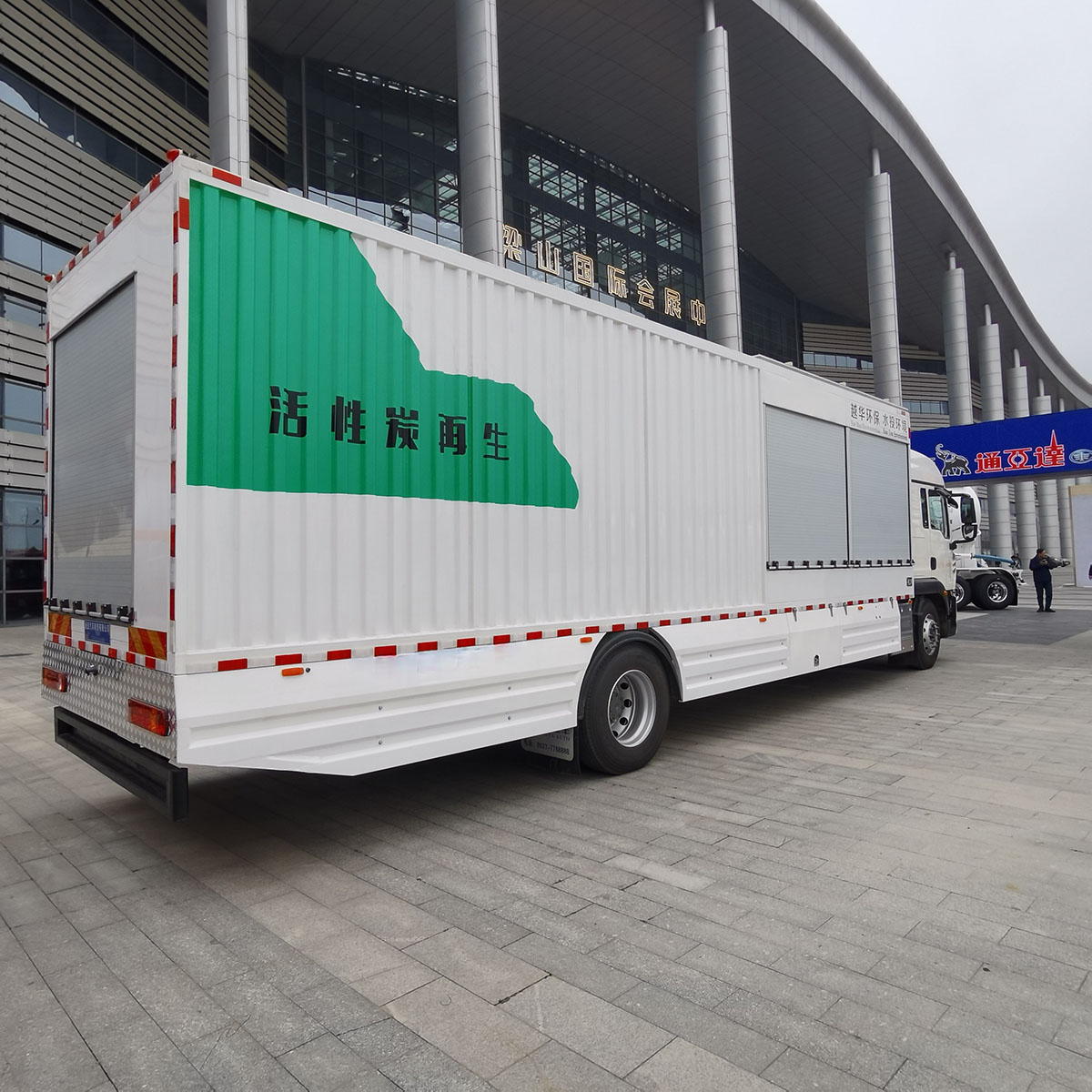
30 foot energy storage container application areas
A 30-foot energy storage container, typically used for commercial-scale energy storage solutions, can be applied in various industries and applications. Here are some common use cases:
- Renewable Energy Integration
Solar and Wind Power: Energy storage containers are often paired with solar or wind farms to store excess energy generated during peak production times. This stored energy can then be released during periods of low production or high demand, helping to stabilize the grid.
Microgrids: In remote areas or islands with renewable energy sources, energy storage can be crucial for creating reliable, off-grid systems that can operate independently of the main electrical grid.
- Grid Stabilization and Frequency Regulation
Peak Shaving: The energy storage unit can store energy during periods of low demand and discharge it during peak demand periods to reduce the strain on the grid and help with load balancing.
Frequency Regulation: Energy storage can help smooth out fluctuations in grid frequency, maintaining the quality and stability of the electrical supply by injecting or absorbing power as needed.
- Backup Power
Critical Infrastructure: Hospitals, data centers, emergency services, and telecom stations can benefit from the backup power provided by energy storage containers, ensuring continuity of service during power outages.
Residential and Commercial Backup: Energy storage containers can be deployed at the commercial or industrial scale to serve as backup systems, providing energy when the grid is down.
- Electric Vehicle (EV) Charging Stations
Energy storage systems can be integrated with EV charging stations to store energy during off-peak hours and use it for fast charging during high-demand periods. This can improve charging infrastructure and reduce the burden on the grid.
- Industrial Applications
Energy Demand Management: Large factories or industrial facilities can use energy storage systems to manage their energy consumption. They can store energy during periods of low usage and discharge it when the demand is high or when electricity prices are higher.
Power Quality: Energy storage can help industries maintain consistent power quality, particularly in locations with unreliable power supply or where high precision in manufacturing processes is required.
- Remote and Off-Grid Applications
Mining Operations: In remote mining areas, energy storage containers can provide a reliable power supply, especially in locations where access to the grid is limited or non-existent.
Rural Electrification: For remote or rural areas without grid infrastructure, energy storage containers paired with renewable energy generation (like solar) can offer a reliable and sustainable solution for powering homes and communities.
- Telecommunication and Data Centers
Data Centers: Energy storage can help data centers manage their power requirements, providing backup power and helping them shift energy usage to off-peak hours to reduce costs.
Telecommunication Towers: Remote telecommunication towers can use energy storage systems to ensure continuous operation, especially in regions where grid power is intermittent.
- Military and Emergency Applications
Mobile Power Supply: Energy storage containers can be used as mobile power units for military bases, emergency relief, or disaster response efforts where power infrastructure may be damaged or non-existent.
Command Centers: In military operations, energy storage can provide reliable power for command centers, ensuring that critical systems are always operational.
- Energy Arbitrage
Grid Trading: In deregulated electricity markets, businesses or utilities can use energy storage systems to buy electricity when prices are low (off-peak) and sell it when prices are high (peak). This is known as energy arbitrage and can be a profitable business model.
- Large-Scale Commercial and Residential Projects
Energy storage containers can also be used for large commercial developments or residential complexes where there is a need for significant storage capacity to reduce reliance on the grid and manage electricity costs effectively.
These containers can be deployed in a modular and scalable way, making them highly adaptable to a variety of energy needs. They are generally designed to be weather-resistant, compact, and easy to transport, making them suitable for a wide range of applications.