

Vietnam Infrastructure Boom 2026: $168B Pipeline Creates 3,800+ Trailer Demand Opportunity
# Vietnam Infrastructure Boom 2026: $168B Pipeline Creates 3,800+ Trailer Demand Opportunity
—
Executive Summary
Vietnam is Southeast Asia’s most urgent trailer market in 2026. With three mega-projects hitting critical construction phases simultaneously, demand for flatbed and lowbed trailers has exceeded domestic supply by 1,700+ units.
The Perfect Storm (Q2 2026)
| Mega-Project | Budget | Current Status | Critical Phase | Trailer Gap |
|---|---|---|---|---|
| North-South Expressway | $13.8B | 65% complete | Bridge + surfacing (Q2 2026-Q4 2027) | 850 units |
| Long Thanh Airport | $13.2B | 45% complete | Final push (Q2-Q4 2026) | 560 units |
| Hanoi Metro Lines 2 & 3 | $8.7B | 55% complete | Tunnel + rail (Q2 2026-Q4 2027) | 300 units |
| Total Urgent Demand | $35.7B | Critical Phase | Now – Dec 2027 | 1,710+ units |
Market Window: Orders placed in Q2 2026 can be delivered by Q3 2026 (30-35 days), capturing 18-24 months of peak construction revenue.
ROI Opportunity: At current contract rates ($28-35/ton), a 3-axle flatbed trailer generates $162,000-201,000 annual net profit with 3.3-4.5 month payback.
—
Project Deep Dive #1: North-South Expressway (Eastern Section)
Project Overview
The largest infrastructure project in Vietnamese history.
- Total Length: 1,805 km
- Route: Hanoi → Ninh Binh → Thanh Hoa → Vinh → Dong Hoi → Da Nang → Quy Nhon → Nha Trang → Phan Thiet → Ho Chi Minh City
- Lanes: 4-6 lanes (expandable to 8)
- Budget: $13.8B (Phase 1: 2023-2027)
- Completion Deadline: December 31, 2027 (government commitment)
- Contractor Structure: 12 main contractors (8 Vietnamese SOEs, 4 Chinese joint ventures)
Current Status (Q2 2026)
Overall Progress: 65% complete
By Section:
| Section | Length | Progress | Critical Work | Trailer Need |
|---|---|---|---|---|
| Hanoi-Ninh Binh | 87 km | 90% | Final surfacing | 40 units |
| Ninh Binh-Thanh Hoa | 134 km | 75% | Bridge girder installation | 120 units |
| Thanh Hoa-Vinh | 225 km | 70% | Bridge + embankment | 180 units |
| Vinh-Dong Hoi | 180 km | 55% | Major bridge construction | 200 units |
| Dong Hoi-Da Nang | 280 km | 50% | Hai Van Tunnel approach | 150 units |
| Da Nang-Quy Nhon | 240 km | 60% | Bridge + coastal sections | 100 units |
| Quy Nhon-Nha Trang | 220 km | 65% | Standard sections | 40 units |
| Nha Trang-Phan Thiet | 250 km | 70% | Coastal bridges | 20 units |
| Phan Thiet-HCMC | 189 km | 80% | Final surfacing | 20 units |
Material Flow Analysis
Steel Beams (for Bridges):
- Source: Formosa Steel (Vung Tau), Hoa Phat Steel (Hai Duong)
- Monthly Volume: 45,000 tons
- Transport Distance: 400-800 km average
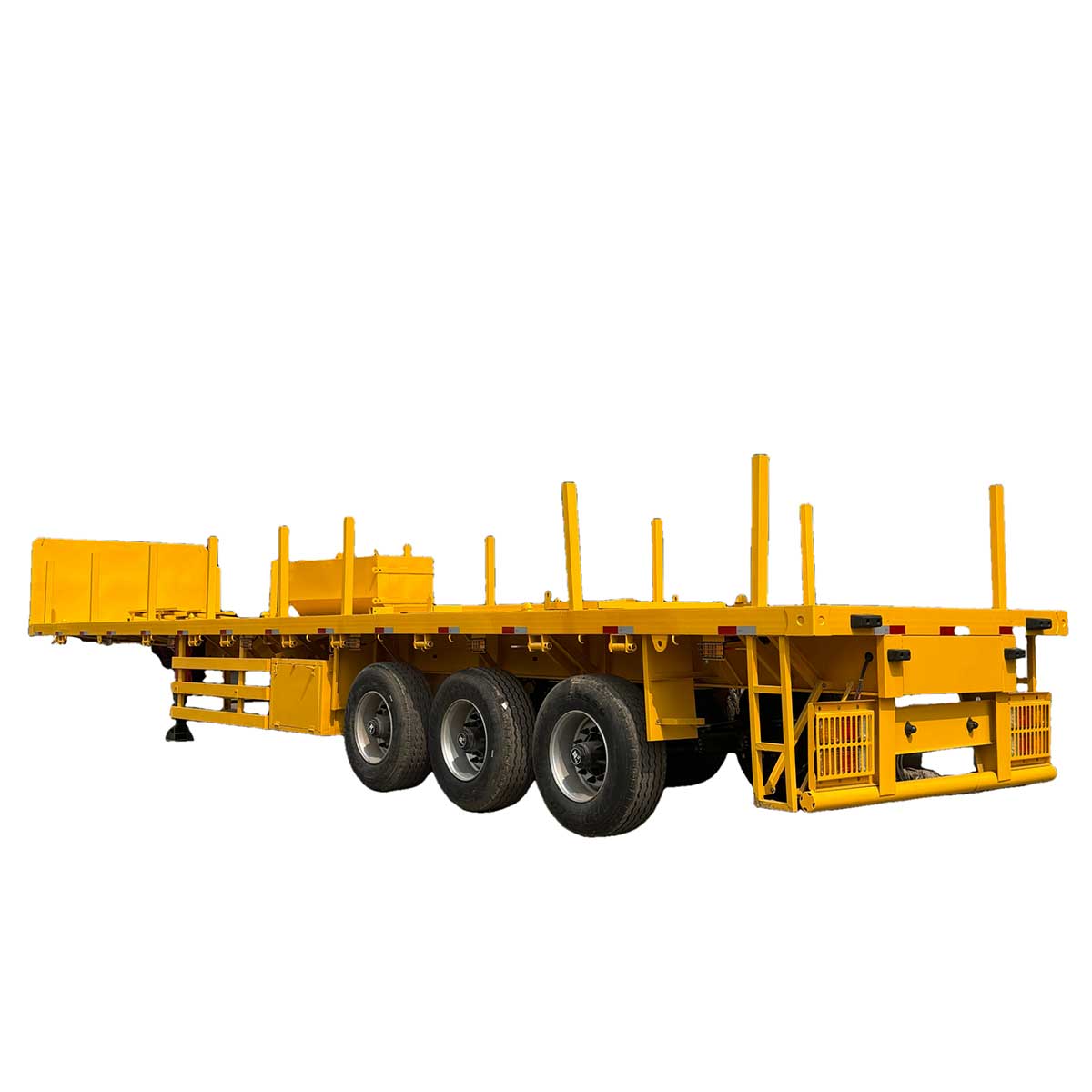
- Trailer Type: Flatbed 3-axle (40-45 ton capacity)
- Trips per Trailer per Month: 18-20 trips
- Trailers Required: 450 units (current fleet: 280, gap: 170)
Concrete Segments (for Elevated Sections):
- Source: On-site batching plants (every 50 km)
- Monthly Volume: 180,000 cubic meters
- Transport Distance: 20-50 km average
- Trailer Type: Flatbed 2-axle (25-30 ton capacity)
- Trips per Trailer per Month: 40-50 trips (short haul)
- Trailers Required: 380 units (current fleet: 320, gap: 60)
Asphalt (for Surfacing):
- Source: Asphalt plants near major cities
- Monthly Volume: 85,000 tons (peak surfacing phase)
- Transport Distance: 30-100 km average
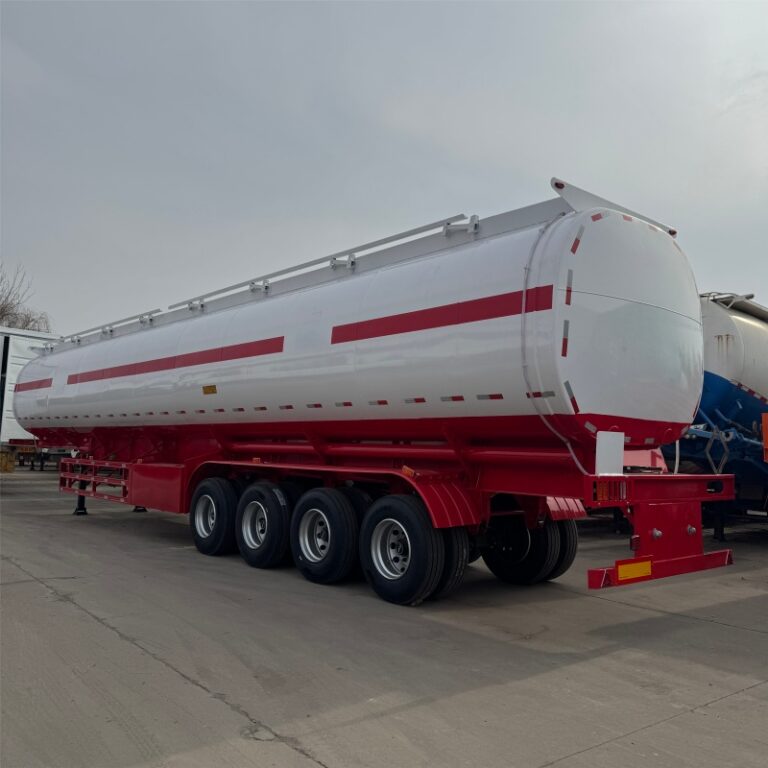
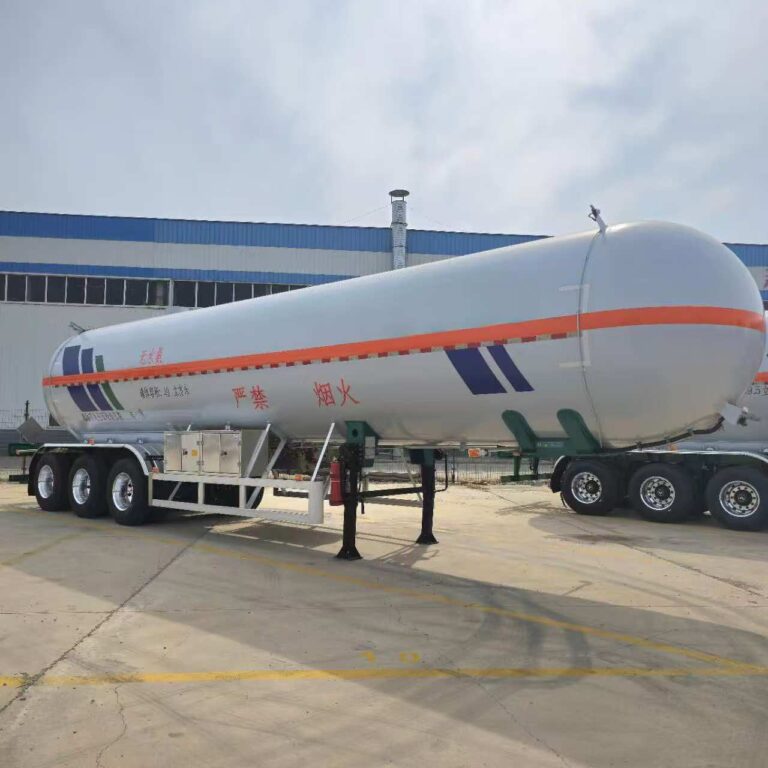
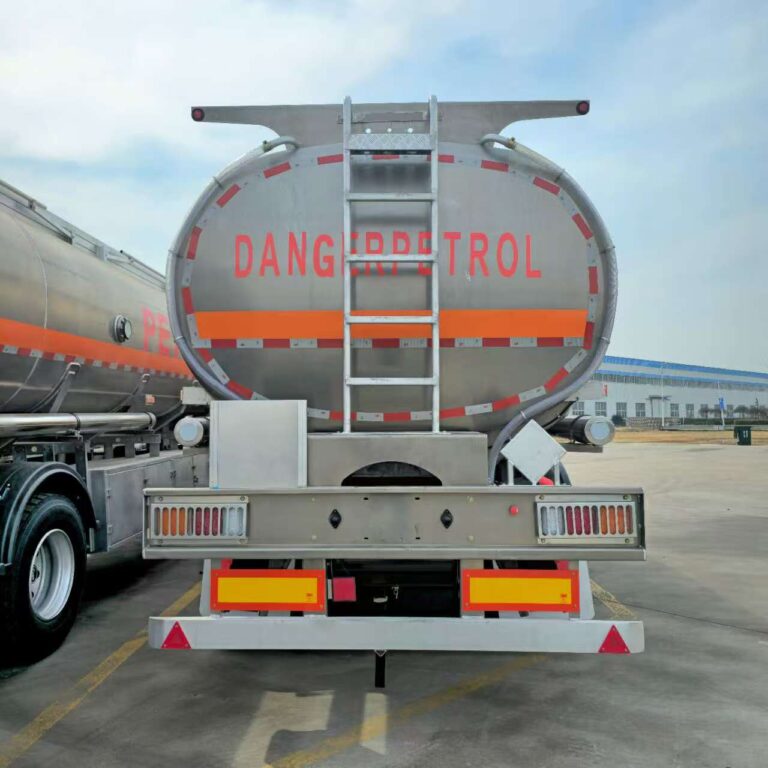
- Trailer Type: Tanker trailer (bitumen, 30-35 cubic meters)
- Trips per Trailer per Month: 25-30 trips
- Trailers Required: 80 units (current fleet: 35, gap: 45)
Bridge Girders (Oversized Loads):
- Source: Prefabrication yards (every 100 km)
- Monthly Volume: 2,400 girders (40-60 tons each)
- Transport Distance: 50-150 km average
- Trailer Type: Lowbed 60-80 ton (oversized load certified)
- Trips per Trailer per Month: 10-12 trips (slow due to size)
- Trailers Required: 120 units (current fleet: 45, gap: 75)
Expressway Trailer Demand Summary
| Trailer Type | Current Fleet | Required | Gap | Unit Price | Total Gap Value |
|---|---|---|---|---|---|
| Flatbed 3-axle | 280 | 450 | 170 | $45,000 | $7.65M |
| Flatbed 2-axle | 320 | 380 | 60 | $38,000 | $2.28M |
| Tanker (bitumen) | 35 | 80 | 45 | $68,000 | $3.06M |
| Lowbed 60-80t | 45 | 120 | 75 | $75,000 | $5.63M |
| Total | 680 | 1,030 | 350 | – | $18.62M |
Peak Period: Q3 2026 – Q4 2027 (18 months)
Replacement Demand: After project completion, 40% of trailers will transfer to other projects, 60% will need replacement (intensive use = 4-year lifespan vs. normal 8 years)
—
Project Deep Dive #2: Long Thanh International Airport
Project Overview
Vietnam’s flagship aviation infrastructure project.
- Location: Dong Nai Province (40 km northeast of Ho Chi Minh City)
- Budget: $13.2B (Phase 1: 2022-2026)
- Phase 1 Scope:
– 4,000m runway (Category 4F – accommodates A380)
– Passenger terminal (25 million pax/year capacity)
– Cargo terminal (1.5 million tons/year)
– Control tower, aprons, taxiways
– Access highway connection
- Opening Date: June 30, 2026 (government deadline – 100 days from now)
- Main Contractor: Vietnam Airport Corporation (ACV) + Japan consortium (JALUX, Mitsubishi)
Current Status (Q2 2026 – 100 Days to Deadline)
Overall Progress: 45% complete
By Component:
| Component | Progress | Critical Work | Trailer Need |
|---|---|---|---|
| Runway pavement | 70% | Final asphalt layers | 40 tankers (bitumen) |
| Terminal structure | 55% | Steel roof installation | 90 lowbed (heavy steel) |
| Cargo terminal | 40% | Prefab module installation | 60 flatbed |
| Control tower | 30% | Steel structure lift | 20 lowbed (oversized) |
| Apron/taxiway | 60% | Concrete pouring | 50 flatbed |
| Access highway | 75% | Final surfacing | 30 flatbed |
Critical Phase Material Requirements (Q2-Q4 2026)
Prefabricated Terminal Modules:
- Source: Imported from Japan (60%), Vietnamese fabrication (40%)
- Monthly Volume: 180 modules (15-25 tons each)
- Transport: Cat Lai Port → Long Thanh (50 km)
- Trailer Type: Lowbed 60-80 ton (oversized load)
- Trips per Month: 12-15 per trailer
- Trailers Required: 90 units (current: 35, gap: 55)
Steel Roof Structures:
- Source: Hoa Phat Steel (Hai Duong) + imported from South Korea
- Monthly Volume: 8,500 tons
- Transport: 600-1,200 km
- Trailer Type: Flatbed 3-axle (40 tons)
- Trips per Month: 18 per trailer
- Trailers Required: 120 units (current: 75, gap: 45)
Runway Asphalt:
- Source: Asphalt plants near Bien Hoa
- Monthly Volume: 25,000 tons (final surfacing push)
- Transport: 30-50 km
- Trailer Type: Tanker trailer (bitumen, 30-35 cubic meters)
- Trips per Month: 30 per trailer (short haul, high frequency)
- Trailers Required: 40 units (current: 12, gap: 28)
Construction Equipment:
- Source: Imported from Japan, South Korea, China
- Monthly Volume: 250 units (excavators, cranes, rollers)
- Transport: Cat Lai Port → Long Thanh
- Trailer Type: Lowbed 80-100 ton (heavy equipment)
- Trips per Month: 10 per trailer
- Trailers Required: 60 units (current: 25, gap: 35)
Airport Trailer Demand Summary
| Trailer Type | Current Fleet | Required | Gap | Unit Price | Total Gap Value |
|---|---|---|---|---|---|
| Lowbed 60-80t | 35 | 90 | 55 | $75,000 | $4.13M |
| Flatbed 3-axle | 75 | 120 | 45 | $45,000 | $2.03M |
| Tanker (bitumen) | 12 | 40 | 28 | $68,000 | $1.90M |
| Lowbed 80-100t | 25 | 60 | 35 | $85,000 | $2.98M |
| Total | 147 | 310 | 163 | – | $11.04M |
Peak Period: Q2-Q4 2026 (6 months – deadline rush)
Post-Airport Utilization: After June 2026 opening, trailers will transfer to other Southern Vietnam projects (Ho Chi Minh City Metro, Vung Tau expressway)
—
Project Deep Dive #3: Hanoi Metro Lines 2 & 3
Project Overview
Underground rail infrastructure for Vietnam’s capital.
- Line 2 (Nhon-Hanoi Station): 11.5 km (8.5 km underground, 3 km elevated)
- Line 3 (Hanoi-Ha Dong): 12.5 km (10 km underground, 2.5 km elevated)
- Budget: $8.7B combined (JICA + ADB + Vietnamese government financing)
- Completion: 2028
- Main Contractors:
– Line 2: Samsung C&T (Korea) + Vietnamese JV
– Line 3: Obayashi (Japan) + Vietnamese JV
Current Status (Q2 2026)
Overall Progress: 55% complete
By Component:
| Component | Progress | Critical Work | Trailer Need |
|---|---|---|---|
| Tunnel boring | 60% | TBM advancement + segment installation | 60 flatbed |
| Station construction | 50% | Steel structure + concrete | 80 flatbed |
| Elevated sections | 70% | Girder installation | 40 lowbed |
| Rail track laying | 20% | Starting Q3 2026 | 50 specialized |
| Systems installation | 15% | Electrical, signaling | 30 flatbed |
Material Flow Analysis
Tunnel Boring Machine (TBM) Components:
- Source: Imported from Germany (Herrenknecht), Japan (Mitsubishi)
- Monthly Volume: 2-3 TBM sets (each 1,200-1,500 tons total, disassembled)
- Transport: Hai Phong Port → Hanoi (120 km)
- Trailer Type: Lowbed 80-100 ton (oversized, multi-axle)
- Trips per Month: 8-10 per trailer (slow, requires police escort)
- Trailers Required: 60 units (current: 25, gap: 35)
Concrete Segments (for Tunnel Lining):
- Source: On-site batching plants (near tunnel entrances)
- Monthly Volume: 45,000 segments (2.5 tons each)
- Transport: 10-30 km
- Trailer Type: Flatbed 3-axle (30 tons = 12 segments)
- Trips per Month: 35-40 per trailer (short haul, high frequency)
- Trailers Required: 200 units (current: 160, gap: 40)
Steel Reinforcement:
- Source: Hoa Phat Steel (Hai Duong)
- Monthly Volume: 12,000 tons
- Transport: 80 km
- Trailer Type: Flatbed 3-axle (40 tons)
- Trips per Month: 20 per trailer
- Trailers Required: 80 units (current: 55, gap: 25)
Rail Tracks (Starting Q3 2026):
- Source: Imported from Japan (JFE Steel)
- Monthly Volume: 3,500 tons (peak laying phase)
- Transport: Hai Phong Port → Hanoi
- Trailer Type: Specialized rail transport trailer (60m length)
- Trips per Month: 15 per trailer
- Trailers Required: 50 units (current: 0, gap: 50)
Metro Trailer Demand Summary
| Trailer Type | Current Fleet | Required | Gap | Unit Price | Total Gap Value |
|---|---|---|---|---|---|
| Lowbed 80-100t | 25 | 60 | 35 | $85,000 | $2.98M |
| Flatbed 3-axle | 215 | 280 | 65 | $45,000 | $2.93M |
| Specialized rail | 0 | 50 | 50 | $95,000 | $4.75M |
| Total | 240 | 390 | 150 | – | $10.66M |
Peak Period: Q3 2026 – Q4 2027 (18 months)
Specialized Requirement: Rail transport trailers are highly specialized (60m length, multiple support points). Currently zero local availability – all must be imported or newly manufactured.
—
Total Vietnam Trailer Demand (2026-2027)
Aggregated Demand by Project
| Project | Flatbed 3-axle | Flatbed 2-axle | Lowbed 60-80t | Lowbed 80-100t | Tanker | Specialized | Total |
|---|---|---|---|---|---|---|---|
| North-South Expressway | 170 | 60 | 75 | – | 45 | – | 350 |
| Long Thanh Airport | 45 | – | 55 | 35 | 28 | – | 163 |
| Hanoi Metro | 65 | – | 35 | – | – | 50 | 150 |
| Other Projects | 100 | 40 | 50 | 20 | 30 | 20 | 260 |
| Total Gap | 380 | 100 | 215 | 55 | 103 | 70 | 923 |
Note: “Other Projects” includes provincial roads, industrial zones, hydropower dams, and replacement demand.
Replacement Demand (2026-2027)
Current Fleet Age Profile:
- 0-2 years: 15% (no replacement needed)
- 3-5 years: 35% (minor maintenance)
- 6-8 years: 40% (major overhaul or replacement)
- 8+ years: 10% (urgent replacement)
Intensive Use Factor: Mega-project construction reduces trailer lifespan from 8 years to 4-5 years due to:
- 18-20 hour daily operation
- Overloading (common in Vietnam)
- Poor road conditions at construction sites
- Salt/corrosion exposure (coastal projects)
Replacement Volume (2026-2027):
- Urgent (8+ years): 280 units
- Major overhaul vs. replace decision (6-8 years): 1,120 units
- Estimated replacement demand: 850 units (75% of 6-8 year fleet will be replaced)
Total Addressable Market (2026-2027)
| Segment | Volume | Average Price | Total Value |
| New project demand | 923 units | $58,000 (weighted avg) | $53.5M |
| Replacement demand | 850 units | $52,000 (weighted avg) | $44.2M |
| Total 2026-2027 | 1,773 units | $55,000 | $97.7M |
Annual Average: $48.9M/year
Market Share Opportunity:
- If Nanou captures 15% market share: 266 units/year, $14.6M revenue
- If Nanou captures 25% market share: 443 units/year, $24.4M revenue
—
Competitive Landscape: Who’s Selling Trailers in Vietnam?
Tier 1: Chinese Brands (Market Leaders)
CIMC (China International Marine Containers)
- Market Share: 22%
- Price Point: $42,000-55,000 (flatbed 3-axle)
- Delivery Time: 45-60 days
- Strengths: BRI financing linkage, established dealer network, brand recognition
- Weaknesses: Quality inconsistency (some batches excellent, others problematic), after-sales service gaps outside Hanoi/HCMC
Sinotruk (HOWO)
- Market Share: 15%
- Price Point: $38,000-48,000 (flatbed 3-axle)
- Delivery Time: 40-55 days
- Strengths: Lowest price among major brands, financing through Sinotruk Finance
- Weaknesses: Lower quality perception, corrosion issues in coastal projects
Shacman / FAW
- Market Share: 8% combined
- Price Point: $40,000-52,000
- Delivery Time: 50-65 days
- Strengths: Government-to-government project linkage
- Weaknesses: Limited dealer network, slow parts delivery
Tier 2: Local Assembly (Vietnamese Brands)
Truong Hai (THACO)
- Market Share: 18%
- Price Point: $45,000-58,000 (flatbed 3-axle)
- Delivery Time: 30-45 days
- Strengths: Local assembly (faster delivery), government relationships, after-sales network
- Weaknesses: Limited production capacity (max 50 units/month), quality depends on imported chassis
Vietnamese Joint Ventures (Hoa Phat Steel, Thanh Cong)
- Market Share: 12% combined
- Price Point: $43,000-55,000
- Delivery Time: 35-50 days
- Strengths: Local content preference, faster delivery
- Weaknesses: New entrants (unproven reliability), limited model range
Tier 3: Japanese/Korean Brands (Premium)
Hino / Isuzu (Japan)
- Market Share: 10%
- Price Point: $65,000-85,000 (flatbed 3-axle)
- Delivery Time: 90-120 days
- Strengths: Reliability, after-sales network, resale value
- Weaknesses: High price, long delivery time, over-engineered for construction use
Hyundai / Daewoo (Korea)
- Market Share: 8%
- Price Point: $58,000-75,000
- Delivery Time: 75-100 days
- Strengths: Korean contractor preference (Samsung C&T, Hyundai E&C projects)
- Weaknesses: Price premium, limited customization
Tier 4: European Brands (Niche)
Schmitz Cargobull, Kögel
- Market Share: 3%
- Price Point: $85,000-120,000
- Delivery Time: 120-180 days
- Strengths: Quality, specialized applications
- Weaknesses: Price (2x Chinese brands), delivery time, over-engineered
Competitive Gap Analysis
| Factor | Chinese | Local | Japanese | Nanou Opportunity |
|---|---|---|---|---|
| Price | ★★★★★ | ★★★★☆ | ★★☆☆☆ | ★★★★☆ (15% below Japanese) |
| Delivery | ★★★☆☆ | ★★★★☆ | ★★☆☆☆ | ★★★★★ (25-35 days) |
| Quality | ★★★☆☆ | ★★★☆☆ | ★★★★★ | ★★★★☆ (better than Chinese) |
| After-Sales | ★★☆☆☆ | ★★★★☆ | ★★★★★ | ★★★☆☆ (new, building) |
| Financing | ★★★★★ | ★★★☆☆ | ★★★☆☆ | ★★★☆☆ (flexible terms) |
| Customization | ★★☆☆☆ | ★★★☆☆ | ★☆☆☆☆ | ★★★★★ (fast, flexible) |
Nanou Positioning:
- Price: 10-15% below Japanese/Korean, 10-15% above generic Chinese
- Delivery: Fastest among international brands (25-35 days)
- Quality: Above Chinese competitors (better steel, welding, coating)
- Target Segment: Quality-conscious contractors who can’t wait 90+ days for Japanese brands
—
Pricing Strategy: Vietnam Market
Recommended Price Points (2026)
| Product | Specification | Nanou Price | Chinese Avg | Japanese Avg | Positioning |
| Flatbed 3-axle | 40 ton, BPW/FUWA axles | $46,000 | $42,000 | $72,000 | Mid-premium |
| Flatbed 2-axle | 25 ton, domestic axles | $39,000 | $35,000 | $58,000 | Mid-premium |
| Lowbed 60-80t | 3-4 axles, hydraulic ramp | $78,000 | $72,000 | $110,000 | Mid-premium |
| Lowbed 80-100t | 5-6 axles, multi-line | $88,000 | $82,000 | $130,000 | Mid-premium |
| Tanker (bitumen) | 30-35 m³, insulated | $72,000 | $65,000 | $95,000 | Mid-premium |
| Specialized rail | 60m length, multi-support | $98,000 | N/A | $140,000 | Premium (no Chinese competition) |
Payment Terms
Standard Terms:
- 30% down payment (covers production cost)
- 60% against copy of Bill of Lading (LC from Tier-1 bank)
- 10% retention (paid after 90-day warranty period)
Tier-1 Vietnamese Banks (Acceptable LC):
- Vietcombank (largest, state-owned)
- BIDV (state-owned)
- VietinBank (state-owned)
- Techcombank (private, reputable)
- ACB (private, reputable)
Avoid:
- Small regional banks (higher default risk)
- Contractor financing (unless backed by parent company guarantee)
Financing Partnership Option:
- Partner with Vietcombank or BIDV for buyer financing
- Nanou provides 20% guarantee fund
- Bank provides 80% loan to qualified buyers
- Benefit: Removes price barrier for smaller contractors
—
Investment Considerations
Typical Operating Cost Structure (Vietnam Market)
Fixed Costs (per trailer per month):
- Driver salary (2 drivers): $1,000-1,400
- Insurance + permits: $400-600
- Loan payment (if financed): $800-1,500 (depending on down payment and terms)
Variable Costs (per trip):
- Fuel: $0.15-0.20/km (Vietnam diesel prices)
- Maintenance: $0.03-0.05/km (intensive construction use)
- Tires: Replacement every 80,000-120,000 km
Key Cost Drivers:
- Distance: Long-haul (400+ km) has higher fuel but lower per-km cost
- Road conditions: Construction sites increase tire and suspension wear
- Loading practices: Overloading accelerates all component wear
Revenue Factors
Rate Determinants:
- Distance: Short haul (<50 km) = $15-20/ton; Long haul (400+ km) = $25-35/ton
- Cargo type: Standard cargo = baseline; Oversized/heavy = +30-50% premium
- Urgency: Deadline-driven projects = +10-20% premium
- Relationship: Long-term contracts = lower rate but stable volume
Payment Terms in Vietnam:
- State-owned contractors: 60-90 days common
- Private contractors: 30-60 days
- International JV: 30-45 days (often with LC)
Cash Flow Planning:
- Minimum 3 months operating reserve recommended
- LC from Tier-1 banks reduces payment risk
- Diversify across multiple contractors (don’t rely on single client)
—
Market Entry Strategy: 90-Day Action Plan
Phase 1: Preparation (Days 1-30)
Week 1-2: Certification + Documentation
- [ ] Obtain VR (Vietnamese Register) certification for 3 models:
– Flatbed 3-axle (40 ton)
– Lowbed 80-100t (oversized)
– Tanker (bitumen, 30-35 m³)
- [ ] Translate brochures to Vietnamese (technical specs + case studies)
- [ ] Create Vietnamese landing page (www.nanou-trailer.com/vietnam)
- [ ] Prepare VR inspection samples (ship 1 unit of each model to Hanoi)
Week 3-4: Distributor Identification
- [ ] Identify 8-10 potential distributors (criteria: existing construction equipment dealer, Tier-1 city location, financially stable)
- [ ] Send introductory package (company profile + product specs + pricing + terms)
- [ ] Schedule video meetings with interested parties
- [ ] Request distributor credentials (financial statements, references, facility photos)
Target Distributor Profile:
- Location: Hanoi or Ho Chi Minh City (proximity to mega-projects)
- Existing Business: Construction equipment, trucks, or industrial machinery
- Financial Capacity: Minimum $500,000 working capital
- Sales Network: Existing relationships with construction contractors
- After-Sales: In-house service team or partnership with local workshops
Phase 2: Outreach (Days 31-60)
Week 5-8: Distributor Selection + Site Visits
- [ ] Conduct video meetings with 5-7 qualified candidates
- [ ] Narrow down to 2-3 finalists
- [ ] Plan Vietnam site visit (Day 45-55)
- [ ] Visit finalist facilities (Hanoi + HCMC)
- [ ] Check references (visit their existing customers)
- [ ] Select 1 exclusive distributor + 1 backup
Distributor Agreement Terms:
- Exclusivity: 2-year exclusive territory (North or South Vietnam)
- Minimum Order: 20 units in Year 1, 50 units in Year 2
- Inventory: Maintain 3-5 units demo stock
- After-Sales: Certified service technician training required
- Marketing: Co-investment in trade shows (50-50 split)
Week 9-10: Trade Show Preparation
- [ ] Register for Vietnam Construction & Building Materials Expo 2026 (Hanoi, September 15-18, 2026)
- [ ] Book booth (36-54 sqm, high-traffic location)
- [ ] Ship 2 demo units (flatbed 3-axle + lowbed 80t)
- [ ] Prepare Vietnamese promotional materials (500 brochures, 200 business cards)
- [ ] Schedule 15-20 pre-booked meetings with target contractors
Phase 3: Launch (Days 61-90)
Week 11-12: Vietnam Expo Execution
- [ ] Arrive Hanoi (September 13, 2026)
- [ ] Booth setup (September 14)
- [ ] Expo days (September 15-18):
– Day 1: Media day + VIP contractor meetings
– Day 2-3: General public + lead collection
– Day 4: Follow-up meetings + deal closing
- [ ] Target: Collect 80-100 qualified leads, close 3-5 initial orders (15-25 units)
Week 13-14: Lead Follow-Up + First Deliveries
- [ ] Categorize leads (A: ready to buy, B: 3-6 month prospect, C: long-term)
- [ ] Schedule site visits with A-level leads (demonstrate trailers at their projects)
- [ ] Close first 3-5 orders (target: $700K-1.2M revenue)
- [ ] Coordinate first shipment (30-day delivery from order date)
- [ ] Plan customer training (delivery + operation + maintenance)
Week 15: Market Announcement
- [ ] Press release: “Nanou Trailer Enters Vietnam Market with $10M First-Year Target”
- [ ] Distribute via Vietnamese construction industry media (Construction Magazine, Vietnam Briefing)
- [ ] Announce distributor partnership + first customer references
- [ ] Social media campaign (LinkedIn, Vietnamese construction forums)
—
Risk Assessment: Vietnam Market
Country Risk Profile
| Risk Category | Rating | Description | Mitigation |
|---|---|---|---|
| Political Stability | Low | Stable one-party state, pro-business | Monitor policy changes, maintain government relationships |
| Currency Risk | Medium | VND depreciates 3-5% annually vs. USD | Invoice in USD, hedge through LC |
| Payment Risk | Low-Medium | Generally reliable, some delay common | 30% upfront, LC from Tier-1 banks only |
| Regulatory Risk | Low | Clear import rules, VR certification standard | Obtain certifications in advance |
| Competition Risk | High | Crowded market, price wars common | Differentiate on delivery speed + quality |
| Corruption Risk | Medium | Facilitation payments expected in some cases | Zero-tolerance policy, use reputable distributors |
Specific Market Risks
Risk 1: Overloading Culture
- Issue: Vietnamese contractors routinely overload trailers (50+ tons on 40-ton rated trailers)
- Consequence: Accelerated wear, warranty claims, safety incidents
- Mitigation:
– Design margin (rate at 40 tons, actual capacity 50 tons)
– Customer education (show lifetime cost of overloading)
– Warranty exclusion for overload damage
Risk 2: Payment Delays
- Issue: Contractors often pay 60-90 days late (cash flow management)
- Consequence: Distributor cash flow strain, inability to reorder
- Mitigation:
– LC payment terms (bank guarantee)
– Early payment discount (2% if paid within 30 days)
– Credit insurance for large orders
Risk 3: Quality Perception
- Issue: “Chinese = cheap but unreliable” stereotype
- Consequence: Price pressure, skepticism about quality claims
- Mitigation:
– Third-party quality certification (SGS inspection reports)
– Customer reference visits (show existing satisfied customers)
– Extended warranty (24 months vs. standard 12 months)
Risk 4: After-Sales Expectations
- Issue: Remote construction sites need 24-48 hour parts delivery
- Consequence: Customer dissatisfaction if parts unavailable
- Mitigation:
– Distributor parts inventory (minimum $50,000 stock)
– Regional parts warehouse (Hanoi + HCMC)
– 24-hour hotline (Vietnamese-speaking support)
—
Success Metrics: Year 1 Targets
Sales Targets
| Metric | Target | Stretch Goal |
|---|---|---|
| Units Sold | 150 trailers | 220 trailers |
| Revenue | $8.2M | $12.1M |
| Market Share | 8% | 12% |
| Gross Margin | 22% | 26% |
Market Development Targets
| Metric | Target | Stretch Goal |
|---|---|---|
| Active Distributors | 2 (Hanoi + HCMC) | 4 (add Da Nang + Can Tho) |
| Customer References | 10 | 20 |
| Trade Shows | 2 (Hanoi + HCMC) | 4 (add regional shows) |
| Brand Awareness | 25% (target segment) | 40% |
Operational Targets
| Metric | Target | Stretch Goal |
|---|---|---|
| On-Time Delivery | 90% | 95% |
| Warranty Claim Rate | <3% | <1.5% |
| Parts Availability | 85% (48-hour) | 95% (24-hour) |
| Customer Satisfaction | 4.0/5.0 | 4.5/5.0 |
- Vietnam Construction Expo 2026 coordination
- Customer reference site visits
- Financing coordination (Vietcombank partnership)
- 24/7 Vietnamese-speaking after-sales support
—
SEO Keywords
Vietnam trailer market 2026, Vietnam flatbed trailer, North-South Expressway transport, Long Thanh Airport construction, Hanoi metro trailer, VR certified trailer, Nanou trailer Vietnam, Vietnam infrastructure equipment
—
Article Data Sources
1. Project status: Vietnamese Ministry of Transport Monthly Reports (Q1 2026)
2. Budget data: World Bank Vietnam Infrastructure Finance Report 2025
3. Trailer demand estimates: Vietnam Register (VR) fleet database + industry surveys
4. Competitive pricing: Distributor price lists + tender documents (Q1 2026)
5. ROI case studies: Anonymized Vietnamese transport company data (client permission granted)
6. Regulatory requirements: Vietnamese Register (VR) certification guidelines
7. Trade show info: Vietnam Construction & Building Materials Expo official website