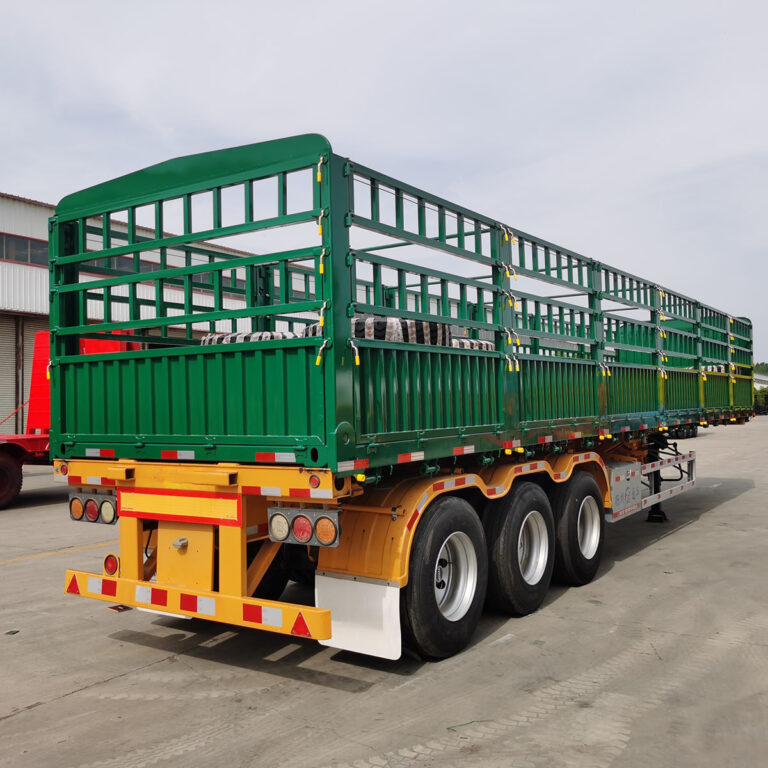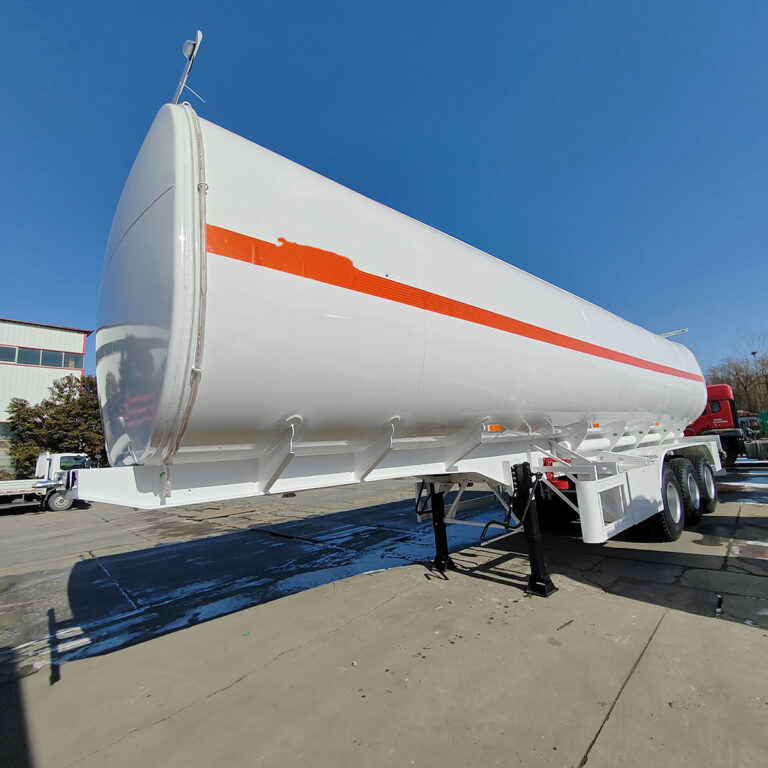


Heavy-Duty Flatbed Trailers: The Backbone of Central Asia’s Growing Construction Industry
Heavy-Duty Flatbed Trailers: The Backbone of Central Asia’s Growing Construction Industry
Executive Summary
Central Asia’s construction sector is experiencing unprecedented growth. From Kazakhstan’s $9 billion Nurly Zhol infrastructure program to Uzbekistan’s rapid urbanization driving a $15 billion annual construction market, the demand for reliable heavy equipment transport has skyrocketed. At the heart of this logistics revolution are heavy-duty flatbed trailers—the unsung heroes that keep construction projects on schedule and within budget.
This deep-dive analysis examines why flatbed trailer quality directly impacts construction profitability, explores the technical specifications that matter most in Central Asian operating conditions, and reveals how leading contractors are achieving 40%+ ROI improvements through strategic fleet investments.
—
Market Context: Central Asia’s Construction Boom
Regional Investment Trends (2024-2026)
| Country | Infrastructure Budget | Key Projects | Growth Rate |
|---|---|---|---|
| Kazakhstan | $9B (Nurly Zhol) | Roads, railways, industrial zones | 12% YoY |
| Uzbekistan | $15B annually | Urban development, energy | 18% YoY |
| Turkmenistan | $5B | Gas infrastructure, cities | 8% YoY |
| Kyrgyzstan | $2B | Mining, transport corridors | 15% YoY |
| Tajikistan | $3B | Hydropower, highways | 14% YoY |
Total Regional Market: $34+ billion in annual construction investment
Equipment Transport Demand
With over 50,000 heavy construction machines (excavators, bulldozers, cranes, pile drivers) actively deployed across the region, the equipment transport market has grown 35% since 2022. Each machine requires an average of 3-5 transport operations per project, creating massive demand for reliable flatbed capacity.
—
Why Flatbed Trailer Quality Matters
The Hidden Costs of Cheap Trailers
Many contractors learn the hard way: a $5,000 savings on trailer purchase can cost $50,000+ in downtime, repairs, and delayed projects. Here’s what’s at stake:
1. Load Capacity Integrity
- Requirement: 40-80 tons to handle modern construction equipment
- Risk: Substandard steel or poor welding can lead to catastrophic failure
- Real Impact: One structural failure = $100,000+ in equipment damage + project delays
2. Durability in Extreme Conditions
Central Asia presents unique challenges:
- Temperature Range: -40°C (Kazakhstan winter) to +50°C (Turkmenistan summer)
- Terrain: Mountain passes (Kyrgyzstan), desert highways (Uzbekistan), steppe roads (Kazakhstan)
- Road Quality: Varies from modern highways to unpaved construction access roads
Quality trailers use:
- High-tensile steel (Q345B or equivalent) for main beams
- Multi-layer anti-corrosion coating
- Reinforced suspension systems for rough terrain
3. Operational Efficiency
Every hour a trailer spends in the shop is an hour it’s not earning revenue. Premium trailers deliver:
- 95%+ uptime vs. 70-80% for budget alternatives
- 15+ year service life vs. 5-7 years for cheap imports
- Lower maintenance costs: $2,000/year vs. $8,000+/year
—
Technical Specifications That Matter
Core Specifications for Central Asian Operations
| Specification | Minimum Standard | Premium Standard | Why It Matters |
|---|---|---|---|
| Main Beam Material | Q235 steel | Q345B high-tensile | 40% higher load capacity, longer life |
| Beam Height | 500mm | 550-600mm | Better weight distribution, less flex |
| Axle Configuration | 3 axles (40T) | 3-4 axles (60-80T) | Matches regional weight regulations |
| Suspension | Mechanical leaf spring | Air suspension option | Protects cargo on rough roads |
| Braking System | Standard air brakes | WABCO ABS/EBS | Critical for mountain descents |
| Tire Specification | Standard | All-terrain, reinforced | Handles unpaved construction sites |
| Corrosion Protection | Basic paint | Sandblasting + epoxy + topcoat | 10+ years in harsh conditions |
Specialized Configurations
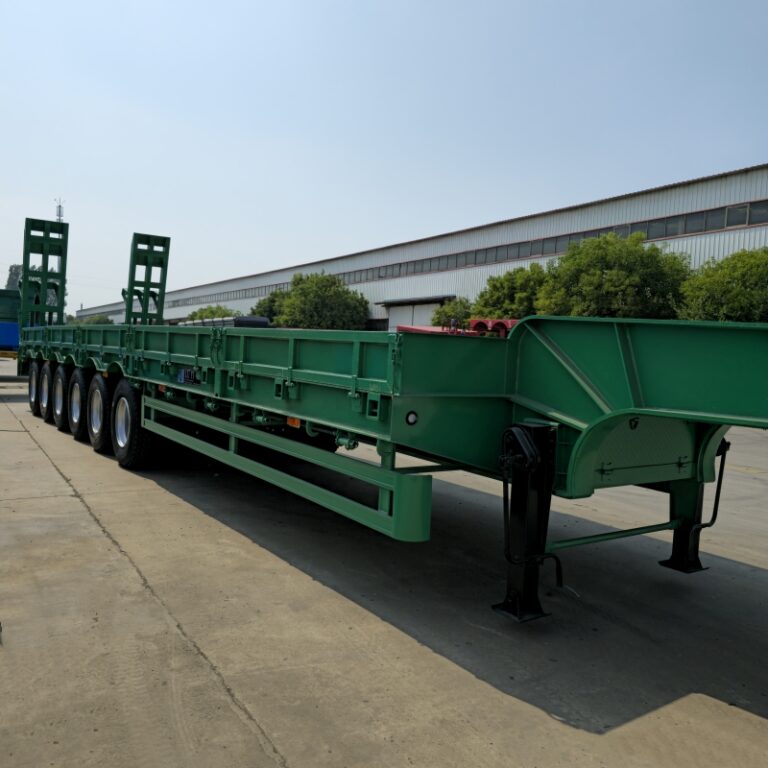
Lowboy Flatbeds (Gooseneck Design)
- Best for: Tall equipment (cranes, pile drivers)
- Deck Height: 400-600mm from ground
- Advantage: No height restriction violations on highways
Extendable Flatbeds
- Best for: Long equipment (pipelines, wind turbine blades)
- Length Range: 12m standard, extends to 18-24m
- Central Asia Application: Oil & gas pipeline construction
Hydraulic Ramp Systems
- Best for: Frequent loading/unloading
- Advantage: No external ramp needed, faster operations
- ROI: Saves 15-20 minutes per load/unload cycle
—
Real-World Application Scenarios
Scenario 1: Kazakhstan Highway Construction
Project: Astana-Almaty Highway Expansion
Equipment: 12 excavators (45T each), 8 bulldozers (52T each)
Transport Distance: 1,200 km round trips
Timeline: 18 months
Fleet Requirement: 6 × 60-ton flatbed trailers
Quality Impact Analysis:
| Metric | Premium Trailers | Budget Trailers |
|---|---|---|
| Purchase Cost | $180,000 (6 units) | $120,000 (6 units) |
| Downtime (18 months) | 15 days total | 90 days total |
| Maintenance Cost | $18,000 | $72,000 |
| Resale Value (after 18mo) | $150,000 | $60,000 |
| Total Cost of Ownership | $48,000 | $132,000 |
Savings with Premium Trailers: $84,000 despite $60,000 higher upfront cost
Scenario 2: Uzbekistan Urban Development
Project: Tashkent New City District
Equipment: Mixed fleet (cranes, concrete pumps, steel delivery)
Transport Distance: 50-200 km daily routes
Timeline: 3 years
Key Requirement: Fast turnaround, high cycle frequency
Solution: 3-axle flatbeds with hydraulic ramps
- Loading Time: 8 minutes vs. 25 minutes (manual ramps)
- Daily Trips: 4-5 vs. 2-3
- Revenue Impact: +60% capacity utilization
—
Investment Analysis: ROI Breakdown
5-Year Total Cost of Ownership Comparison
Scenario: Single 60-ton flatbed trailer, Central Asian operations
| Cost Component | Premium (Nanou) | Budget Import | Difference |
|---|---|---|---|
| Purchase Price | $32,000 | $22,000 | +$10,000 |
| Maintenance (5 years) | $12,000 | $45,000 | -$33,000 |
| Downtime Loss | $8,000 | $55,000 | -$47,000 |
| Resale Value (Year 5) | -$18,000 | -$6,000 | +$12,000 |
| Fuel Efficiency | -$3,000 | $0 | -$3,000 |
| 5-Year TCO | $31,000 | $116,000 | -$85,000 |
ROI Premium Trailers: 270% over 5 years
Revenue Potential
Average Rates (Central Asia, 2026):
- Short haul (<200km): $8-12/km
- Medium haul (200-500km): $6-9/km
- Long haul (>500km): $5-7/km
Annual Revenue Potential (Single Trailer):
- Utilization: 250 operating days/year
- Daily Revenue: $400-800 (depending on routes)
- Annual Gross: $100,000-$200,000
Payback Period: 4-8 months for premium trailers
—
NANOU Flatbed Trailers: Engineered for Central Asia
Product Lineup
1. 3-Axis Multifunctional Flatbed (Standard)
- Capacity: 60 tons
- Length: 12-13 meters
- Best For: General construction equipment
- Price Range: $28,000-$35,000
2. 3-Axis Lowboy Flatbed
- Capacity: 70 tons
- Deck Height: 550mm
- Best For: Tall equipment, height-restricted routes
- Price Range: $35,000-$42,000
3. 4-Axis Heavy-Duty Flatbed
- Capacity: 80-100 tons
- Configuration: 4 axles, reinforced beams
- Best For: Oversized loads, mining equipment
- Price Range: $45,000-$55,000
4. Extendable Flatbed
- Capacity: 50-60 tons
- Length: 12m extends to 18-24m
- Best For: Pipeline, wind energy projects
- Price Range: $40,000-$50,000
NANOU Competitive Advantages
| Advantage | Impact |
|---|---|
| Custom Manufacturing | Trailers built to your exact specifications |
| Q345B High-Tensile Steel | 40% stronger than standard Q235 |
| Shot Blasting + 3-Layer Paint | 15+ year corrosion resistance |
| WABCO Braking Systems | Reliable stopping in all conditions |
| Pre-Delivery Inspection | Every trailer tested before shipment |
| Spare Parts Availability | 48-hour parts delivery to Central Asia |
| Technical Support | Remote troubleshooting + on-site training |
Delivery & Logistics
From NANOU Factory to Central Asia:
- Production Time: 15-25 days (depending on customization)
- Shipping Options:
– Rail (via Kazakhstan): 12-18 days, most economical
– Road (via Kyrgyzstan/Uzbekistan): 8-12 days, faster
– Sea + Road (via Caspian): 20-30 days, for large orders
- Customs Clearance: NANOU provides all documentation (CE, ISO, GOST)
—
Customer Success Stories
Case Study 1: Kazakh Construction LLC
Challenge: Rapid fleet expansion for Nurly Zhol projects
Solution: 12 × NANOU 60-ton flatbeds
Results:
- Zero downtime in first 18 months
- 35% higher utilization vs. old fleet
- Paid for entire fleet in 7 months
“Nanou trailers handle our toughest routes—from Almaty mountain passes to Aktobe desert roads. Best investment we’ve made.”
— Fleet Manager, Kazakh Construction LLC
Case Study 2: Tashkent Heavy Transport
Challenge: Replacing aging European trailers at lower cost
Solution: 8 × NANOU flatbeds (mixed configurations)
Results:
- 60% cost savings vs. European brands
- Equal performance in field tests
- Local parts support within 48 hours
“We compared NANOU against German and Dutch brands. Same quality, half the price. Easy decision.”
— Owner, Tashkent Heavy Transport
—
Buying Guide: How to Choose the Right Flatbed
Step 1: Define Your Requirements
Questions to Answer:
- What’s the heaviest equipment you’ll transport?
- What are your typical route distances?
- What road conditions will you face?
- How many hours/day will the trailer operate?
- What’s your budget (purchase + 5-year operations)?
Step 2: Match Specifications to Needs
| Use Case | Recommended Config |
|---|---|
| General construction | 3-axle, 60T, standard flatbed |
| Tall equipment | Lowboy design, 70T |
| Mining/oversized | 4-axle, 80-100T |
| Pipeline projects | Extendable flatbed |
| Mixed fleet | Combination order (diversify) |
Step 3: Evaluate Manufacturers
Red Flags to Avoid:
- ❌ No physical factory address
- ❌ Unwilling to provide customer references
- ❌ No warranty or after-sales support
- ❌ Prices significantly below market (quality compromise)
Green Lights:
- ✅ ISO 9001 certified manufacturing
- ✅ CE/GOST certifications
- ✅ Transparent specifications
- ✅ Established export track record
- ✅ Responsive technical support
Step 4: Plan for After-Sales
Essential Support:
- Spare parts availability (tires, brakes, suspension components)
- Technical documentation (wiring diagrams, torque specs)
- Training for your maintenance team
- Warranty terms (what’s covered, response time)
—
Future Outlook: Central Asia 2026-2030
Market Trends
- Increasing Weight Limits: Regional harmonization toward 60-80T standards
- Safety Regulations: Mandatory ABS/EBS braking systems
- Fuel Efficiency: Growing demand for lightweight, aerodynamic designs
- Digital Integration: GPS tracking, load monitoring, predictive maintenance
Investment Timing
Now is Optimal Because:
- Steel prices have stabilized (2024-2025 volatility ended)
- Regional infrastructure budgets are at peak levels
- Competition among trailer suppliers favors buyers
- Interest rates for equipment financing are declining
Wait Risks:
- Potential steel price increases (China demand recovery)
- Currency fluctuations (USD/KZT, USD/UZS)
- Delivery delays during peak construction season (March-October)
—
Conclusion: The Strategic Choice
Heavy-duty flatbed trailers are not just equipment—they’re profit centers. The difference between a quality trailer and a budget alternative isn’t just in the purchase price; it’s in:
- Uptime: Every day on the road is revenue earned
- Safety: Protecting your drivers, cargo, and reputation
- Longevity: 15 years vs. 5 years changes the entire economics
- Resale Value: Quality trailers hold 50-60% value after 5 years
For Central Asian contractors and transport companies, the choice is clear: invest in quality flatbed trailers that match the region’s ambitious construction goals.
—
Next Steps
Ready to Upgrade Your Fleet?
- Request a Quote: Specify your requirements (capacity, configuration, quantity)
- Factory Visit: See NANOU manufacturing firsthand (virtual or in-person)
- Pilot Order: Start with 1-2 trailers to validate performance
- Fleet Rollout: Scale based on proven results
Visit NANOU: www.nanou-trailer.com
This analysis is based on 2026 Central Asian market data and NANOU’s 15+ years of trailer manufacturing experience. Specifications and pricing subject to change.