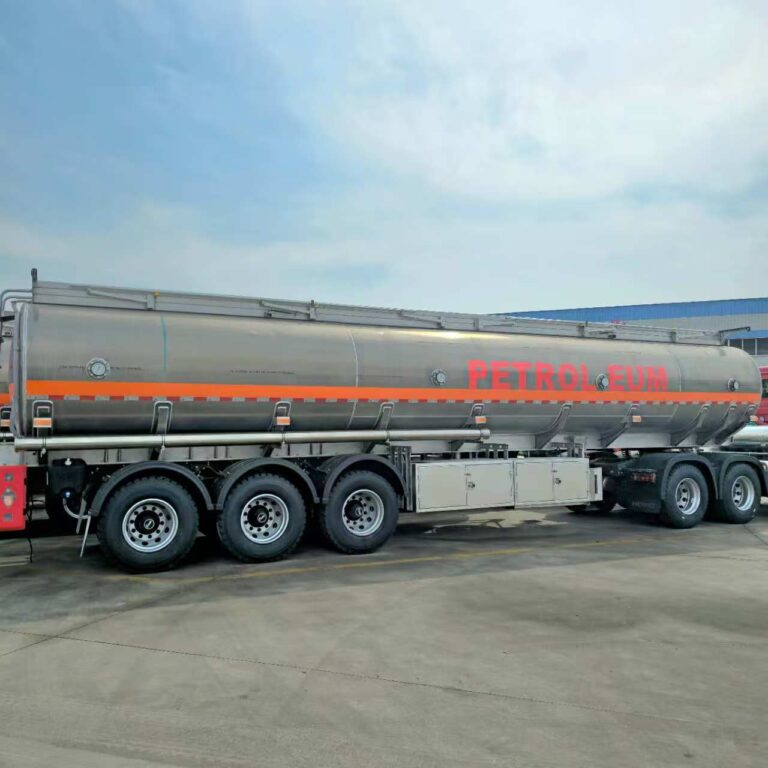


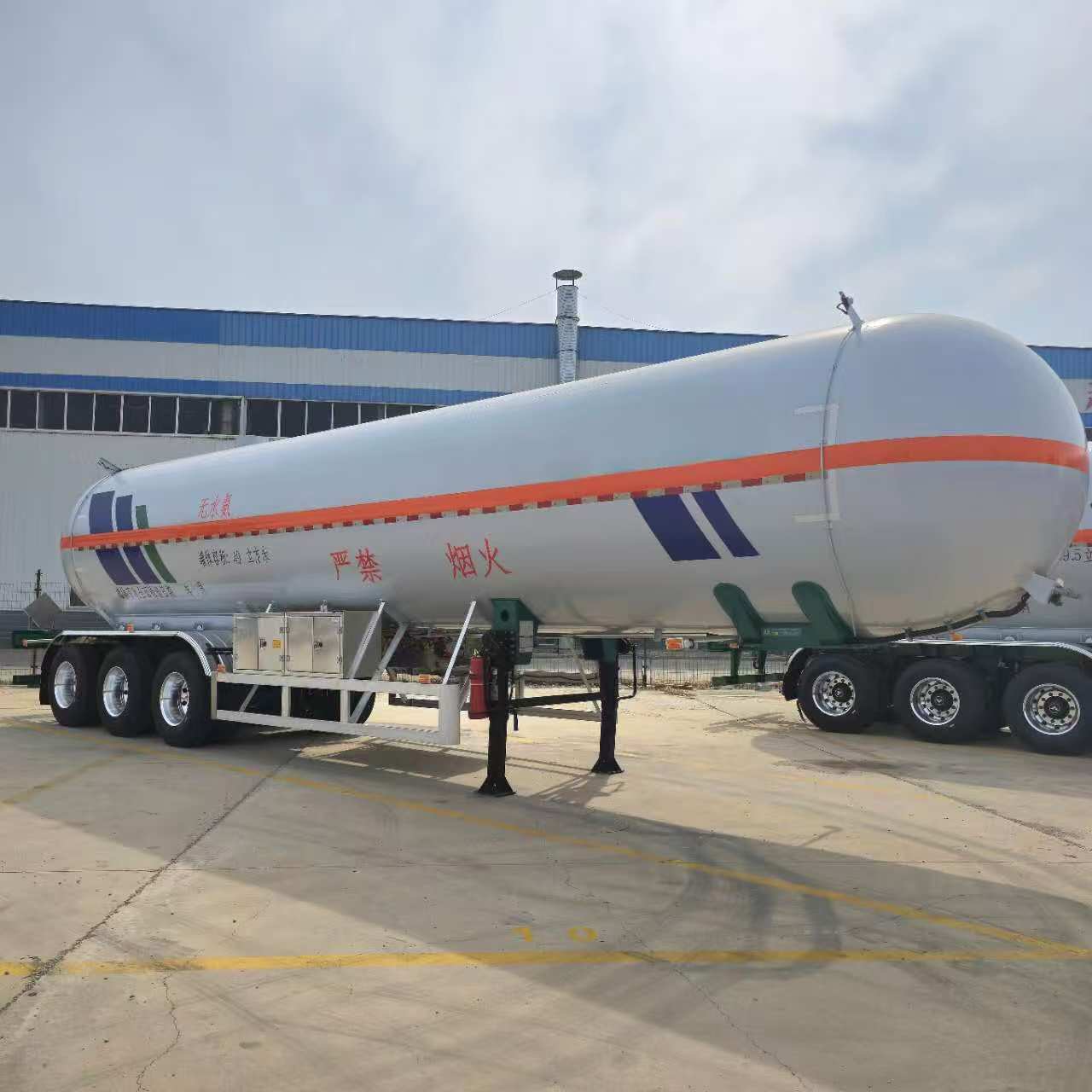
EAEU Regulations 2026: Oil Tanker Trailer Compliance
Executive Summary
The Eurasian Economic Union (EAEU) has implemented updated vehicle certification requirements effective January 2026. For oil tanker trailer exporters targeting Russia and Central Asian markets, understanding these changes is critical.
Based on analysis of EAEU regulations and customs data, we identify five critical compliance requirements:
- TR CU 018/2011 Type Approval — Mandatory certification for all commercial trailers
- TR CU 032/2013 Pressure Equipment — Additional certification for pressurized tankers
- Climate-Specific Adaptations — Arctic package requirements for northern regions
- Local Service Infrastructure — Mandatory after-sales support network
- Russian-Language Documentation — All technical documents must be in Russian
1. EAEU Market Overview
| Metric | Value |
|---|---|
| Member Countries | Russia, Kazakhstan, Belarus, Armenia, Kyrgyzstan |
| Population | 183 million |
| GDP | $2.4 trillion (2025) |
| Oil Production | 14.5M barrels/day (40% of global) |
| Market Size (2026) | 3,800 units, $590M (+22.9% YoY) |
Key Advantage: Single certification valid across all five member states.
2. Five Critical Requirements
2.1 TR CU 018/2011 Type Approval
Process: Document review (5-7 days) → Factory audit (2-3 days) → Sample testing (10-15 days) → Certificate (3-5 days)
Total: 20-30 days, €7,000-11,500
Required: Technical specs (Russian), ISO 9001, component certs, test reports, Russian manuals
⚠️ Critical: Must be obtained BEFORE shipment. Retroactive certification unavailable.
2.2 TR CU 032/2013 Pressure Equipment
Applies to: Pressurized tankers (LPG, propane), working pressure >0.5 bar, volume >1,000L
| Parameter | Standard | Pressurized |
|---|---|---|
| Shell Thickness | 5-8mm | 8-12mm |
| Material | Q345B | Q370R (pressure-rated) |
| Weld Inspection | Visual 20% | X-ray 100% |
| Pressure Test | 1.25x | 1.5x working |
Additional Cost: €5,000-8,000
2.3 Climate Adaptations
| Zone | Temp Range | Requirements | Cost Impact |
|---|---|---|---|
| Temperate (У1) | -40°C to +40°C | Impact toughness -40°C | +15-20% |
| Cold (ХЛ1) | -60°C to +40°C | Arctic steel, low-temp hydraulics | +25-35% |
| Arctic (Т1) | -60°C to +30°C | All components -60°C rated | +40-50% |
Coverage: Siberia, Northern Kazakhstan require Cold or Arctic package.
2.4 Local Service Requirements
| Contract | Local Staff | Parts | Response |
|---|---|---|---|
| >50M RUB | 2 technicians | Basic inventory | 48 hours |
| >200M RUB | 5 technicians | Full inventory | 24 hours |
| >500M RUB | 10+ technicians | Regional warehouse | 12 hours |
Case Study: Chinese manufacturer lost $12M Gazprom tender (2025) despite competitive pricing — unable to demonstrate 24-hour response in Western Siberia.
2.5 Russian Documentation
Mandatory (all in Russian): Technical passport, operation manual, maintenance schedule, parts catalog, type approval (ОТТС), customs declaration
Cost: €2,000-5,000 for professional translation
⚠️ Warning: Machine translation (Google Translate) results in customs rejection.
3. Export Timeline
Total Lead Time: 16-18 weeks (4-4.5 months)
- Week 1-2: Specification + contract
- Week 3-10: Manufacturing
- Week 11-12: Certification
- Week 13-16: Shipping (rail/sea)
- Week 17: Customs + delivery
4. Market Opportunities 2026
| Region | Demand | Growth | Key Applications |
|---|---|---|---|
| Western Russia | 1,200 units | +12% | Oil refining, distribution |
| Siberia | 800 units | +25% | Oilfield operations |
| Kazakhstan | 650 units | +35% | Tengiz/Kashagan |
| Belarus | 400 units | +8% | Transit to EU |
Growth Drivers: Aging fleet (avg 12.3 years), Kazakhstan production increase, Russia pivot to Asia, Western manufacturer exit.
Supply Gap: 800-1,200 units/year from Western manufacturer exit — opportunity for Asian suppliers.
5. Recommendations
Product Strategy
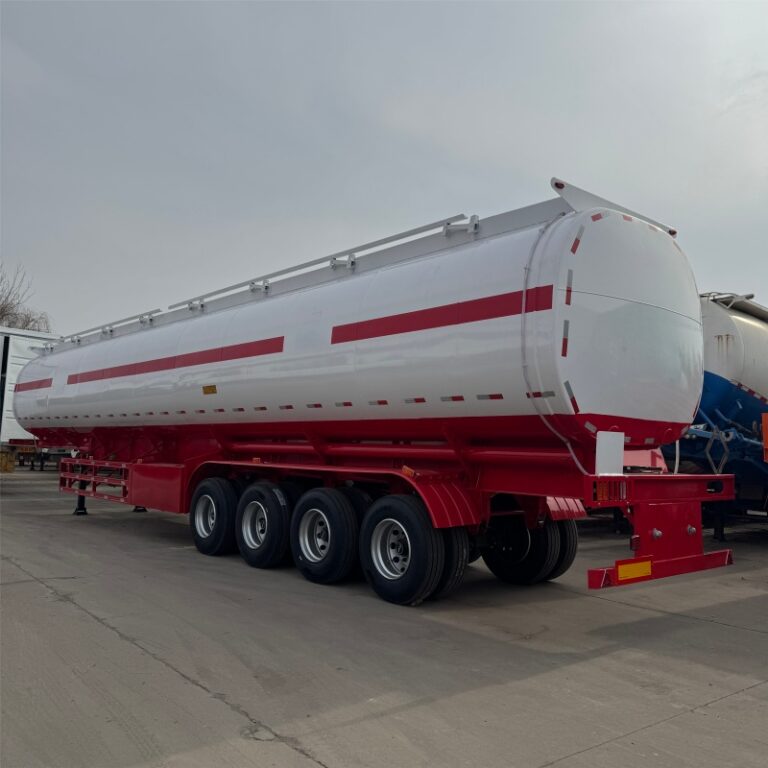
- Core: Standard fuel tanker (30-50 m³), $80-150K
- Premium: Heated tanker with insulation, $120-200K
- Specialized: Pressurized (LPG/propane), $150-250K
- Optional: Arctic package (+35-45%)
Market Entry Phases
- Phase 1 (0-12 mo): Direct export via distributors, 20-50 units/year
- Phase 2 (12-24 mo): Local partnership + service center, 50-150 units/year
- Phase 3 (24-36 mo): Local assembly (SKD/CKD), 150-300 units/year
6. Conclusion
The EAEU market presents significant opportunities in 2026, driven by fleet replacement, production growth, and Western manufacturer exits.
Success Factors:
- Regulatory compliance — TR CU certification is mandatory
- Climate adaptation — Standard products fail in extreme conditions
- Local service — After-sales is a competitive differentiator
- Russian documentation — Professional translation essential
- Long-term commitment — Market rewards patient players
Time Window: 2026-2028 offers unique opportunity (reduced Western competition, strong oil prices, aging fleet). Early movers will establish market position that late entrants struggle to overcome.
Recommendation: Begin certification immediately (3-4 month timeline), identify local partners, adapt products for climate, prepare Russian documentation.
Data Sources: EAEU Technical Regulations, Russian Customs Statistics 2025, Kazakhstan Ministry of Energy, Industry interviews