

Central Asia Energy Corridor 2026: Oil Tanker Trailer Opportunities Along New Trade Routes
Executive Summary
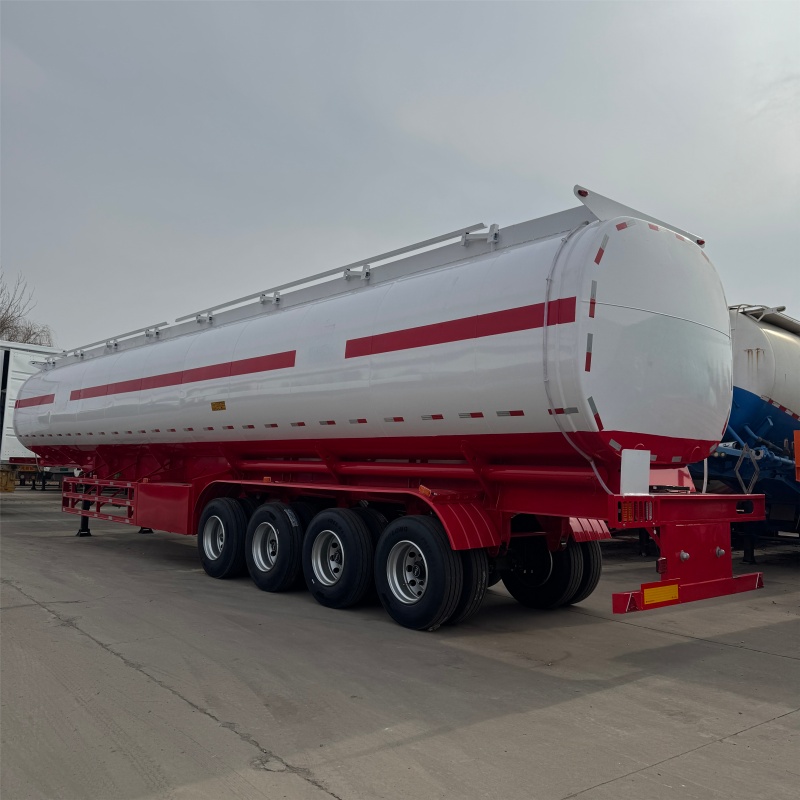
The geopolitical landscape of 2026 has fundamentally reshaped global energy transport patterns, creating unprecedented opportunities for oil tanker trailer operators in Central Asia and Russia. With traditional westward pipelines facing capacity constraints and international sanctions redirecting trade flows, the eastward and southward energy corridors are experiencing explosive growth. This analysis examines emerging transport routes, quantifies tanker trailer demand projections, and identifies critical compliance requirements for operators seeking to capitalize on the Central Asia energy boom. From Kazakhstan’s Tengiz fields to Russia’s Arctic terminals, the land-based oil transport revolution is creating a seller’s market for qualified fuel transport trailers and experienced logistics providers.
The New Energy Map: How 2026 Changed Everything
Geopolitical Shifts Driving Transport Demand
Three converging trends have created a structural shift in Eurasian energy logistics:
- Pipeline Capacity Constraints: Existing pipeline infrastructure cannot accommodate redirected Russian and Kazakh crude flows, creating 40-60% capacity gaps filled by rail and road transport
- Sanctions-Induced Rerouting: Traditional European export routes replaced by southward (Iran, Pakistan) and eastward (China, India) corridors
- Regional Refining Expansion: New refineries in Uzbekistan, Kyrgyzstan, and Tajikistan require refined product distribution networks
Key Transport Corridors in 2026
Corridor 1: Russia → China (Eastern Route)
Route: Western Siberia → Kazakhstan border → Xinjiang, China
Distance: 2,800-3,500 km depending on origin
Volume: 180,000 barrels/day (road + rail combined)
Growth: +45% vs 2024 baseline
Trailer Requirements:
- Cold climate package (-40°C to -50°C operation)
- EAC certification (Eurasian Conformity mandatory)
- GLONASS tracking system (Russian regulation)
- 35-45 m³ tank capacity (optimal for route economics)
Corridor 2: Kazakhstan → Uzbekistan/Tajikistan (Southern Route)
Route: Tengiz/Atyrau → Shymkent → Tashkent/Dushanbe
Distance: 1,200-1,800 km
Volume: 45,000 barrels/day (primarily refined products)
Growth: +68% vs 2024 baseline
Trailer Requirements:
- Multi-compartment tanks (3-5 compartments for different fuel grades)
- High-temperature adaptation (50°C summer ambient in Uzbekistan)
- CIS certification standards
- 30-38 m³ capacity (weight-restricted mountain routes)
Corridor 3: Caspian Region → Iran (Southwest Route)
Route: Aktau/Atyrau → Turkmenistan border → Northern Iran
Distance: 800-1,400 km
Volume: 25,000 barrels/day (growing rapidly)
Growth: +120% vs 2024 baseline (emerging corridor)
Trailer Requirements:
- Double-wall tank construction (enhanced safety for mountain passes)
- Brake retarders (critical for Elburz Mountains descent)
- Bi-lingual documentation (Russian/Persian)
- Fire suppression systems (Iranian mandatory requirement)
Oil Tanker Trailer Demand Forecast: 2026-2028
Quantitative Demand Analysis
Based on current project pipelines and trade flow analysis:
| Region | 2026 Demand (Units) | 2027 Projected | 2028 Projected | CAGR |
|---|---|---|---|---|
| Russia (European) | 2,400 – 2,800 | 2,600 – 3,100 | 2,700 – 3,200 | +6% |
| Russia (Siberia/Far East) | 1,800 – 2,200 | 2,200 – 2,700 | 2,600 – 3,200 | +20% |
| Kazakhstan | 900 – 1,100 | 1,100 – 1,400 | 1,300 – 1,700 | +22% |
| Uzbekistan | 400 – 500 | 550 – 700 | 700 – 900 | +32% |
| Other Central Asia | 250 – 350 | 350 – 500 | 450 – 650 | +35% |
| Total Regional | 5,750 – 6,950 | 6,800 – 8,400 | 7,750 – 9,650 | +16% |
Market Insight: Central Asia growth rates significantly exceed global averages (4-5%), driven by structural trade flow changes rather than cyclical demand.
Trailer Type Preferences by Application
Crude Oil Transport (Long Haul)
- Capacity: 40-50 m³ (maximize payload for economics)
- Configuration: Single compartment, uninsulated
- Material: Carbon steel Q345R (cost-effective for crude)
- Axles: 3-4 axles with air suspension (road protection)
- Heating: Steam or thermal oil heating coils (for viscous crude)
Refined Products (Diesel, Gasoline, Jet Fuel)
- Capacity: 30-40 m³ (weight-limited for urban delivery)
- Configuration: 3-5 compartments (multi-product delivery)
- Material: Stainless steel 304 (product purity requirements)
- Safety: Vapor recovery systems, bottom loading capability
- Metering: Flow meters with digital displays (custody transfer)
Chemical and Specialty Products
- Capacity: 25-35 m³ (smaller batches, higher value)
- Configuration: Pressurized tanks for LPG/propane
- Material: Stainless steel 316L (corrosive chemicals)
- Certification: ADR/RID compliance for dangerous goods
- Safety: Enhanced pressure relief, emergency shut-off systems
Regulatory Compliance: Navigating the EAEU Framework
EAC Certification: The Gateway to Eurasian Markets
The Eurasian Economic Union (EAEU) unified certification system became fully operational in 2025, creating a single compliance framework for Russia, Kazakhstan, Belarus, Armenia, and Kyrgyzstan.
Technical Regulation TR CU 018/2011 (Vehicle Safety)
Key Requirements for Oil Tanker Trailers:
- Structural Integrity: Finite element analysis certification for tank design
- Braking Performance: EBS (Electronic Brake System) mandatory for GVW >10 tons
- Lighting: ECE R48 compliance with automatic daytime running lights
- Stability: Rollover stability test (lateral acceleration ≥0.4g)
- Environmental: Euro 5 emissions for any powered equipment
Additional Certifications by Country
Russia:
- SBKTS (Vehicle Safety Certificate) – mandatory for registration
- GLONASS ERA-GLONASS emergency response system (law requirement since 2025)
- Russian language operation manual and warning labels
- GOST R 52290-2004 (tanker-specific technical standards)
Kazakhstan:
- EAC certificate accepted (no additional national certification)
- Kazakh language documentation recommended (not mandatory)
- Regional environmental permits for certain routes
Uzbekistan (Non-EAEU but CIS):
- UzStandart certification (national type approval)
- Separate dangerous goods transport license
- Annual technical inspection mandatory
Dangerous Goods Transport Compliance
ADR (European Agreement) Adoption:
Most EAEU countries have adopted ADR-equivalent regulations for domestic dangerous goods transport:
- Driver Training: ADR certificate required for tanker drivers
- Vehicle Marking: Orange hazard plates (UN number + hazard class)
- Safety Equipment: Fire extinguishers, spill kits, PPE mandatory
- Route Restrictions: Urban area restrictions, tunnel codes
- Documentation: Transport documents, emergency instructions in local language
Technical Specifications: Cold Climate vs Hot Climate
Cold Climate Package (Russia, Northern Kazakhstan)
Operating Temperature Range: -50°C to +40°C
Critical Components:
- Steel Grade: 09G2S (low-temperature toughness, impact tested @ -50°C)
- Welding: Pre-heat procedures, post-weld heat treatment
- Hydraulics: Arctic-grade hydraulic fluid (-55°C pour point)
- Air System: Air dryer with alcohol injection (prevent freezing)
- Batteries: Cold-cranking amps (CCA) rated for -40°C
- Tires: Winter compound rubber, stud-compatible
- Insulation: 100mm rock wool insulation for temperature-sensitive products
- Heating: Diesel burner heating system for product temperature maintenance
Price Premium: +15-20% vs standard configuration
Hot Climate Package (Uzbekistan, Southern Kazakhstan, Iran)
Operating Temperature Range: -10°C to +55°C
Critical Components:
- Steel Grade: Q345R (standard pressure vessel steel)
- Paint System: High-reflectivity white or aluminum finish (reduce heat absorption)
- Tires: Heat-resistant compound (16-ply, rated for 70°C surface temp)
- Brakes: Ventilated discs with heat shields (prevent brake fade)
- Electrical: High-temperature wire insulation (150°C rating)
- Vapor Recovery: Enhanced systems for high-volatility products
- Pressure Relief: Calibrated for high ambient temperatures
Price Premium: +8-12% vs standard configuration
Sourcing Strategy: Chinese Manufacturers for EAEU Markets
Why Chinese Suppliers Dominate This Segment
Chinese tanker trailer manufacturers have captured 60-70% of the EAEU import market through competitive advantages:
| Advantage | Details |
|---|---|
| Price Competitiveness | 35-45% lower than European suppliers, 20-25% lower than Russian domestic |
| EAC Experience | Top 20 Chinese exporters all hold valid EAC certificates |
| Customization | Flexible engineering for cold climate, compartment configurations |
| Production Capacity | Large factories can handle 100+ unit orders with consistent quality |
| Export Logistics | Established rail and sea routes to EAEU destinations |
Key Manufacturing Regions in China
Shandong Province (Jining, Liangshan):
- Cluster of 200+ trailer manufacturers
- Specialization: Cost-effective standard configurations
- Best for: Price-sensitive buyers, standard specifications
Henan Province (Zhengzhou):
- Heavy industry base with steel production
- Specialization: Heavy-duty tanker trailers
- Best for: Large capacity, crude oil transport
Guangdong Province (Foshan):
- Advanced manufacturing, higher quality standards
- Specialization: Stainless steel, chemical tankers
- Best for: Refined products, food-grade, high-spec requirements
Supplier Qualification Checklist
Mandatory Requirements:
- Valid EAC certificate (verify certificate number with EAEU registry)
- Minimum 5 years export experience to Russia/CIS
- ISO 9001 quality management certification
- ASME U-Stamp or equivalent pressure vessel certification
- Reference customers in target market (request contact information)
Recommended Verification Steps:
- Factory audit (in-person or third-party)
- Welding procedure qualification review
- Material traceability verification (mill certificates)
- Pre-shipment inspection by BV/SGS/TUV
- After-sales service capability assessment
Logistics and Delivery: Getting Trailers to Market
Transport Routes from China
Route 1: Rail (China → Kazakhstan → Russia)
- Gateway: Alashankou/Khorgos border crossing
- Transit Time: 12-18 days to Almaty, 20-25 days to Moscow
- Capacity: 2-4 trailers per rail car (disassembled)
- Cost: $3,500-5,000 per trailer to Central Asia
- Best For: Landlocked destinations, year-round shipping
Route 2: Sea + Rail (China → St. Petersburg → Russia)
- Gateway: Chinese ports → St. Petersburg/Vladivostok
- Transit Time: 35-45 days total
- Capacity: 6-8 trailers per 40ft container (fully assembled)
- Cost: $2,800-4,000 per trailer to European Russia
- Best For: Western Russia destinations, cost optimization
Route 3: Road (China → Central Asia)
- Gateway: Torugart/Irkeshtam passes to Kyrgyzstan
- Transit Time: 7-12 days drive-away
- Capacity: Limited by border crossing capacity
- Cost: $2,000-3,500 per trailer (driver + fuel)
- Best For: Urgent deliveries, small quantities
Customs Clearance Considerations
Required Documentation:
- Commercial invoice (detailed value breakdown)
- Packing list (dimensions, weights, HS codes)
- Certificate of origin (Chamber of Commerce stamped)
- EAC certificate (copy, original for registration)
- Technical passport (Russian language)
- Bill of lading or CMR (depending on transport mode)
HS Codes for Oil Tanker Trailers:
- 8716.39.100: Tanker semi-trailers for liquids
- 8716.39.900: Other tanker trailers
- Import Duty: 5-15% depending on country and trade agreements
- VAT: 12-20% depending on country
Case Study: Kazakh Fuel Distributor Fleet Modernization
Client Profile
Company: Regional fuel distribution company
Location: Almaty, Kazakhstan
Operation: Diesel and gasoline delivery to retail stations
Requirement: 25 multi-compartment tanker trailers
Challenge
Client’s existing fleet (average age 12 years) required replacement. Russian suppliers quoted 9-month lead time at $58,000/unit. European suppliers exceeded budget at €75,000+. Needed reliable solution within 4-month timeline.
Solution
Sourced from Henan-based manufacturer with EAEU experience:
- 3-compartment aluminum alloy tankers, 35 m³ total capacity
- Bottom loading system with vapor recovery
- EAC certification included
- Russian language documentation
- Unit price: $36,500 (37% savings vs Russian supplier)
- Production: 30 days
- Rail shipping: 15 days to Almaty
- Customs clearance: 5 days
Outcome
First 10 trailers deployed within 55 days of order. Remaining 15 delivered 3 weeks later. Client reported:
- 28% reduction in cost per liter delivered (new trailers more efficient)
- Zero compliance issues during first 6 months
- After-sales support responsive (parts shipped within 10 days)
- Planning second order for 2027 expansion
Investment Outlook and Financing Options
Total Cost of Ownership Analysis
5-Year TCO Comparison (per trailer, USD):
| Cost Component | Chinese Import | Russian Domestic | European Import |
|---|---|---|---|
| Purchase Price | $36,000 | $55,000 | $78,000 |
| Import Duty + VAT | $8,500 | $0 | $18,000 |
| Shipping | $4,000 | $2,000 | $6,000 |
| Annual Maintenance (×5) | $7,500 | $6,000 | $5,000 |
| Tires (5 years) | $6,000 | $6,000 | $6,000 |
| Total 5-Year Cost | $62,000 | $69,000 | $113,000 |
Conclusion: Chinese imports offer 10-45% TCO advantage despite import costs.
Financing Options
Leasing Programs:
- EAEU-based leasing companies offer 3-5 year terms
- Typical terms: 20% down payment, 8-12% annual interest
- Tax advantages: Lease payments often deductible as operating expense
Trade Finance:
- Letter of credit (LC) protects both buyer and supplier
- Typical structure: 30% deposit, 60% against shipping documents, 10% after acceptance
- Chinese export credit insurance (Sinosure) available for qualified buyers
Conclusion: Window of Opportunity in 2026
The Central Asia energy corridor represents a generational opportunity for oil tanker trailer operators and investors. Structural changes in global energy trade have created sustained demand that will persist beyond current geopolitical cycles.
Strategic Recommendations:
- Act in 2026: Demand is accelerating; early movers capture market share before competition intensifies
- Partner with experienced Chinese exporters: EAC certification and cold climate capability are non-negotiable
- Invest in quality: Total cost of ownership favors premium specifications over lowest purchase price
- Build regional service capability: After-sales support differentiates winners from commodity players
- Monitor regulatory evolution: EAEU standards continue evolving; stay ahead of compliance requirements
The energy map has been redrawn. The question is not whether land-based oil transport will grow—it already is. The question is whether your fleet will be positioned to capture this historic opportunity.
For verified supplier recommendations and EAEU compliance guidance, contact our team for specialized procurement support across Central Asian and Russian markets.