

Oil Tanker Trailer Safety and Compliance 2026: Essential Guide for International Buyers
Executive Summary
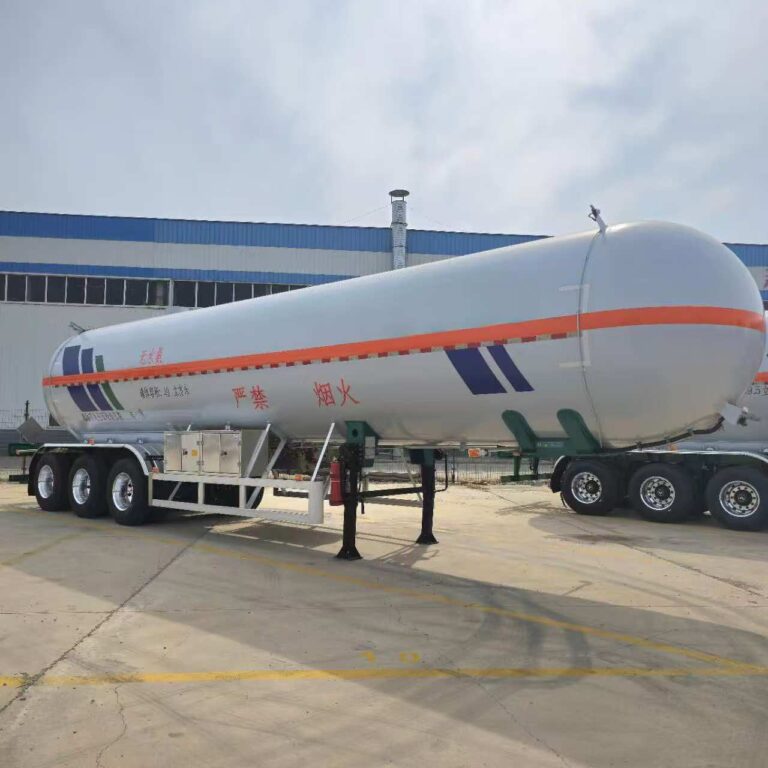
Oil tanker trailer safety and compliance have become paramount concerns in 2026 as global energy transport faces heightened regulatory scrutiny. Following several high-profile incidents in Q4 2025 and evolving international standards, buyers must navigate a complex landscape of certifications, safety features, and operational requirements. This comprehensive guide outlines critical compliance frameworks for major export markets (Middle East, Central Asia, Russia, Southeast Asia) and provides actionable checklists for procurement teams sourcing oil tanker trailers from international manufacturers.
2026 Regulatory Landscape: What’s Changed
New International Standards (Effective 2026)
Several key regulatory updates impact oil tanker trailer procurement:
- UN Model Regulations Rev. 22: Updated requirements for dangerous goods transport equipment, including enhanced pressure relief systems
- ISO 28560-3:2026: New welding quality standards for tank construction
- ADR 2026 Amendments: Stricter requirements for emergency shut-off valves and grounding systems
- GCC Standardization Update: Mandatory fire suppression systems for tankers over 30m³ capacity
Regional Compliance Requirements
Middle East (GCC Countries)
- Certification: GSO (Gulf Standardization Organization) mandatory
- Additional: SASO (Saudi Arabia), ESMA (UAE), KUCAS (Kuwait)
- Key Requirements: High-temperature operation certification (55°C ambient), Arabic documentation, specific fire safety equipment
EAEU (Russia, Kazakhstan, Belarus, Armenia, Kyrgyzstan)
- Certification: EAC (Eurasian Conformity) mark required
- Technical Regulation: TR CU 018/2011 for wheeled vehicles
- Key Requirements: Cold climate package (-40°C operation), GLONASS tracking system, Russian language manuals
Southeast Asia
- Certification: Varies by country (SNI for Indonesia, TIS for Thailand, SIRIM for Malaysia)
- Key Requirements: Right-hand drive compatibility, tropical climate adaptations, local type approval
Essential Safety Features for Oil Tanker Trailers (2026 Standards)
1. Tank Construction & Material Standards
Material Requirements:
- Carbon Steel (Q345R): Standard for fuel/diesel transport, thickness 5-6mm
- Stainless Steel (304/316L): Required for corrosive chemicals, food-grade products
- Aluminum Alloy: Lightweight option for maximum payload, premium pricing (+40%)
Construction Standards:
- Automatic submerged arc welding (no manual welds on pressure-bearing seams)
- 100% X-ray or ultrasonic inspection of critical welds
- Hydrostatic pressure test at 1.5x working pressure
- Internal baffles every 1.5-2m to prevent liquid surge
2. Emergency Safety Systems
Emergency Shut-Off Valves (Mandatory):
- Remote-activated main valve (cable or pneumatic)
- Automatic closure in case of fire (fusible link @ 120°C)
- Secondary manual override accessible from ground level
- Response time: <5 seconds from activation to full closure
Pressure Relief Systems:
- Breather valves calibrated for product vapor pressure
- Emergency pressure relief vents (fire-safe design)
- Vacuum relief to prevent tank collapse during unloading
- Flame arrestors on all vent openings
3. Fire Safety Equipment
Required Fire Protection (per 2026 GCC standards):
- Two 8kg ABC dry powder extinguishers (mounted on both sides)
- One 35kg wheeled extinguisher (rear-mounted)
- Fire-resistant cable conduits for all electrical systems
- Grounding reel with 15m cable and clamp (static electricity prevention)
- Optional: Automatic fire suppression system for engine compartment
4. Electrical & Lighting Safety
Explosion-Proof Requirements:
- All electrical components in hazardous zones: Ex d IIB T4 minimum
- Intrinsically safe wiring for tank area
- Battery master switch with clear labeling
- LED lighting with IP67 rating (dust/water protection)
5. Operational Safety Features
- Anti-Lock Braking System (ABS): Mandatory for GVW >10 tons
- Electronic Brake System (EBS): Recommended for enhanced control
- Landing Gear: Two-speed, load-rated for full trailer weight
- King Pin: 2-inch or 3.5-inch, forged steel with wear indicator
- Tire Pressure Monitoring: Optional but recommended for fleet operations
- Rear Underrun Protection: Mandatory, tested to 100kN impact
Compliance Documentation Checklist
Pre-Shipment Documents (From Manufacturer)
- Commercial Invoice: Detailed value breakdown (HS Code: 8716.39)
- Packing List: Itemized contents, dimensions, weights
- Certificate of Origin: Chamber of Commerce stamped
- Bill of Lading: Clean on board, notify party details
- Quality Certificate: Factory inspection report
- Material Test Certificates: Steel grade verification (mill certificates)
- Welding Procedure Qualification Records: WPQR documentation
- Pressure Test Report: Hydrostatic test results
- Compliance Certificates: GSO, EAC, or regional type approval
- Operation Manual: In required language(s), includes safety warnings
Import Clearance Documents (Buyer Responsibility)
- Import License: Valid for dangerous goods transport equipment
- Customs Declaration: Accurate HS code and value
- Insurance Certificate: Marine cargo insurance
- Local Type Approval: If required by destination country
- Environmental Compliance: Emissions/equipment standards
Inspection & Quality Assurance Protocol
Pre-Production Inspection
- Verify raw material certificates (steel, axles, brakes)
- Review and approve technical drawings
- Confirm component brands match specifications
- Agree on inspection checkpoints during production
During Production Inspection (DPI)
- Check tank welding quality (visual + NDT sampling)
- Verify dimensional accuracy (length, width, height)
- Inspect surface preparation (sandblasting, primer)
- Confirm safety equipment installation
Pre-Shipment Inspection (PSI) – MANDATORY
- Hydrostatic Pressure Test: Witness full tank pressure test
- Brake System Test: Verify ABS function, brake balance
- Lighting Test: All lights operational, correct wiring
- Valve Operation: Test all discharge valves, emergency shut-offs
- Grounding System: Verify electrical continuity
- Dimensional Check: Confirm within tolerance (±5mm)
- Paint Thickness: Verify coating meets specification (≥80 microns)
- Documentation Review: All certificates present and accurate
Third-Party Inspection Agencies
Recommended inspectors for oil tanker trailers:
- BV (Bureau Veritas): Global presence, comprehensive reports
- SGS: Fast turnaround, competitive pricing
- TUV: Rigorous standards, preferred for European compliance
- Intertek: Strong in Middle East region
Typical Cost: $300-600 per inspection (worth every penny!)
Common Compliance Pitfalls & How to Avoid Them
Pitfall 1: Assuming “One Certificate Fits All”
Problem: GSO certification doesn’t automatically qualify for EAEU markets.
Solution: Specify target market upfront, request appropriate certification from manufacturer.
Pitfall 2: Overlooking Language Requirements
Problem: Customs rejection due to missing Arabic/Russian documentation.
Solution: Contractually require operation manuals, warning labels, and certificates in destination country language.
Pitfall 3: Inadequate Safety Equipment
Problem: Fire extinguishers missing or below capacity requirements.
Solution: Include detailed safety equipment specification in purchase order, verify during PSI.
Pitfall 4: Incorrect HS Code Classification
Problem: Customs delays, unexpected duties due to wrong classification.
Solution: Use HS Code 8716.39 (tanker trailers) consistently, confirm with local customs broker.
Pitfall 5: Skipping Third-Party Inspection
Problem: Defects discovered after arrival, costly returns or repairs.
Solution: Budget $500-800 for independent inspection—saves thousands in potential losses.
Case Study: EAEU Compliance Success Story
Client: Russian fuel distribution company
Order: 25 units of 42m³ oil tanker semi-trailers
Challenge: EAC certification required, -40°C cold climate operation, GLONASS integration
Compliance Steps Taken:
- Manufacturer obtained EAC type approval before production
- Tank steel certified for low-temperature toughness (impact test @ -40°C)
- Hydraulic systems filled with arctic-grade fluid
- Electrical components rated for extreme cold
- GLONASS tracking system pre-installed and tested
- All documentation in Russian (manuals, labels, certificates)
- BV Russia conducted pre-shipment inspection
Outcome: All 25 units cleared customs within 7 days. Zero compliance issues. Client reported successful winter operation at -38°C ambient temperature.
Procurement Best Practices for 2026
Supplier Qualification Questions
- How many oil tanker trailers have you exported to [my country] in the past 2 years?
- Can you provide references from customers in my region?
- What certifications does your factory hold (ISO, GSO, EAC, etc.)?
- Do you have in-house welding certification (AWS, EN, or equivalent)?
- What is your warranty policy for tank structural integrity?
- Do you have regional service centers or authorized repair partners?
- Can you arrange third-party inspection at my cost?
- What is your process for handling non-conformance issues?
Contract Terms to Include
- Specifications: Detailed technical requirements as contract attachment
- Inspection Rights: Buyer’s right to inspect during production and before shipment
- Compliance: Seller warrants compliance with [specific standards]
- Warranty: Minimum 12 months structural, 6 months components
- Non-Conformance: Seller responsible for repair/replacement costs
- Payment Terms: 30% deposit, 60% after PSI pass, 10% after delivery
Timeline Planning
Realistic procurement timeline for compliant oil tanker trailers:
- Supplier qualification: 1-2 weeks
- Contract negotiation: 1-2 weeks
- Design approval: 1 week
- Production: 25-35 days
- Inspection & corrections: 3-5 days
- Shipping: 20-30 days (sea freight to Middle East/Russia)
- Customs clearance: 7-14 days
- Total: 70-100 days (plan accordingly!)
Conclusión
Oil tanker trailer procurement in 2026 demands rigorous attention to safety and compliance. The regulatory landscape has evolved significantly, with stricter requirements for emergency systems, fire safety, and regional certifications. However, these standards exist for good reason—protecting lives, cargo, and the environment.
International buyers who invest time in supplier qualification, specify clear requirements, mandate third-party inspection, and verify compliance documentation will successfully navigate this complex landscape. The additional effort upfront prevents costly delays, rejections, and safety incidents downstream.
Chinese manufacturers have demonstrated capability to meet international compliance standards when properly engaged. The key is partnering with experienced exporters who understand regulatory requirements and have proven track records in your target market.
For procurement teams: prioritize compliance over lowest price. A $2,000 savings isn’t worth a rejected shipment, a safety incident, or a non-compliant fleet. Do it right the first time.