

Central Asia Energy Corridor 2026: Oil Tanker Trailer Demand Surges Amid Shifting Trade Routes
Market Overview: Why Central Asia Matters in 2026
The geopolitical landscape of 2025-2026 has fundamentally altered global energy transport patterns. With traditional shipping routes facing increased scrutiny and insurance costs, Central Asian overland energy corridors have emerged as critical alternatives. This shift is driving unprecedented demand for specialized oil tanker trailers across Kazakhstan, Uzbekistan, Kyrgyzstan, and Turkmenistan.
Key Statistics (2026 Q1)
- Kazakhstan crude exports via land routes: +34% YoY
- Regional tanker trailer imports: +67% YoY (China origin)
- Average order size: 15-25 units per buyer (up from 8-12 in 2024)
- Lead time pressure: Buyers requesting 30-day delivery (vs. standard 45 days)
Route Analysis: The New Energy Corridors
Kazakhstan-China Pipeline Corridor
- Route: Western Kazakhstan to Xinjiang, China
- Annual Capacity: 20 million tons (2026 expansion)
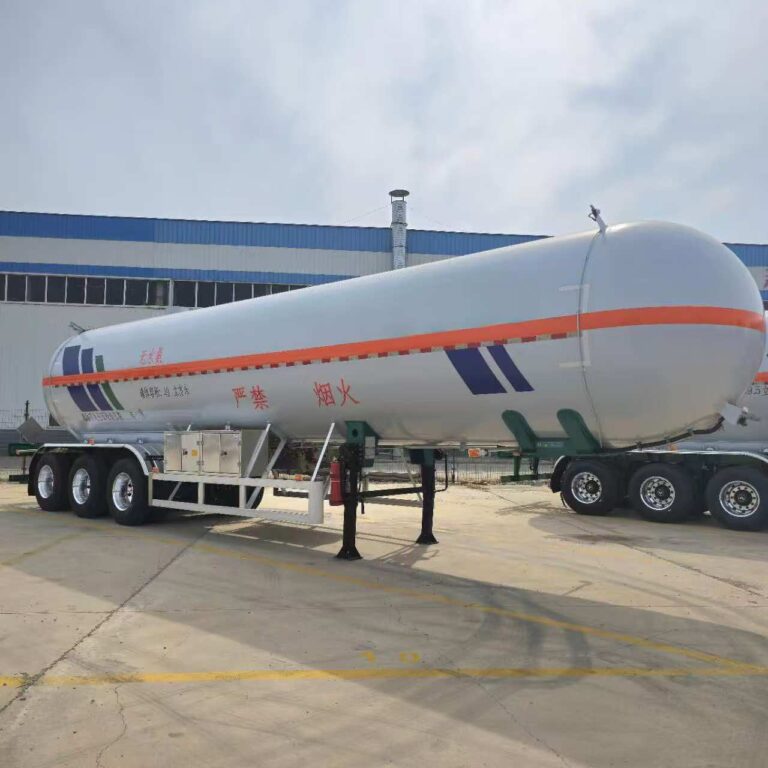
- Trailer Requirements: 40-50 cubic meter aluminum tanker trailers, heating systems for winter operations (-40°C capability), multi-compartment design
Kazakhstan-Caspian-Azerbaijan Route
- Route: Atyrau to Baku to Turkey/Europe
- Status: Accelerating due to reduced Russia transit
- Trailer Requirements: Standard 35-45 cubic meter carbon steel tankers, ADR/RID compliance, GPS tracking integration
Uzbekistan Domestic Distribution
- Market Driver: Growing domestic refining capacity
- Infrastructure: New refineries in Tashkent and Fergana regions
- Trailer Requirements: 30-40 cubic meter fuel transport trailers, enhanced braking systems for steep grades
Technical Specifications: Central Asia Operating Conditions
Climate Extremes
- Winter: -40°C to -10°C – Steel embrittlement, hydraulic fluid viscosity
- Summer: +35°C to +50°C – Tire pressure management, fuel expansion
- Spring: Dust storms – Air filter clogging, electrical system protection
Critical Design Features
Tank Material Selection:
- Aluminum Alloy (5083/5454): 30% lighter than steel, corrosion resistant, 40% higher initial cost
- Carbon Steel (Q345B): Lower cost, easier repair, better impact resistance, requires regular corrosion protection
Heating Systems (Mandatory for Northern Kazakhstan):
- Diesel burner type with 24V/12V dual voltage
- 100mm rock wool insulation minimum
- Automatic temperature maintenance
- Cold start capability: -45°C ambient operation
Brake Systems:
- Dual-line air brake (WABCO or Knorr)
- Spring brake chambers (fail-safe)
- ABS mandatory for cross-border operations
- Asbestos-free, high-temperature brake linings
Regulatory Compliance by Country
Kazakhstan
- Certification: GOST-K (Eurasian Conformity)
- Safety Standards: TR CU 018/2011 (Vehicle Safety)
- Annual mandatory technical inspection
Uzbekistan
- Certification: UZ Standard (national)
- Import Duty: 15% on complete trailers
- Local Assembly: 5% duty if 30%+ local content
Kyrgyzstan
- Certification: EAEU mutual recognition
- Fuel Transport License required from Ministry of Emergency Situations
Pricing Analysis: China vs. Regional Suppliers
Complete Unit Pricing (FOB China Port)
- 35 m³ Carbon Steel, 3 axles: $28,000 – $35,000 (25-35 days)
- 40 m³ Carbon Steel, 3 axles: $32,000 – $40,000 (25-35 days)
- 45 m³ Aluminum, 3 axles: $48,000 – $58,000 (30-40 days)
- 50 m³ Aluminum, 4 axles: $55,000 – $68,000 (35-45 days)
Regional Premium Comparison
- Russian-made tankers: +40-60% premium (limited availability)
- Turkish-made tankers: +25-35% premium (good quality, longer lead time)
- Chinese-made tankers: Baseline pricing (best value proposition)
Procurement Best Practices
Supplier Evaluation Criteria
- EAEU/GOST certification (non-negotiable)
- Minimum 5 years tanker manufacturing experience
- ISO 9001 quality management certification
- Reference customers in Central Asia (request contacts)
- Welding certification (ASME or equivalent)
Payment Terms (Market Standard)
- 30% deposit (irrevocable LC)
- 60% before shipment (against inspection report)
- 10% after successful commissioning
Warranty Standards
- Tank Structure: 24 months (no leakage guarantee)
- Axles & Suspension: 12 months
- Valves & Pumps: 12 months
- Heating System: 12 months (winter operation guarantee)
Case Study: Kazakhstan Fuel Distributor Fleet Expansion
Client: Almaty-based fuel distribution company supplying 50+ gas stations across southern Kazakhstan
Challenge: Aging Soviet-era tanker fleet (average age: 18 years)
Order Specifications: 22 units of 40m³ carbon steel tanker semi-trailers with 3 compartments, heating system for winter operations, Russian language manuals, GPS tracking pre-installed
Timeline: Order placed January 15, 2026, delivered March 25, 2026 (28-day total delivery time, 12 days ahead of schedule)
Outcome: Zero defects during commissioning, 15% fuel efficiency improvement vs. old fleet
Client Quote: “The heating system performed flawlessly during -35°C January operations. We’re planning a second order of 15 units for Q2 2026.”
Market Outlook: 2026-2028 Forecast
Demand Drivers
- Continued Russia transit reduction: +20-25% annual growth in Caspian corridor
- Kazakhstan production increase: Tengiz and Kashagan field expansions
- Uzbekistan refining growth: New facilities requiring distribution networks
- Fleet replacement cycle: 2018-2020 purchases reaching replacement age
Strategic Recommendations
- Lock in 2026 pricing: Place orders before Q2 raw material adjustments
- Consider regional assembly: Kazakhstan local content requirements may tighten
- Build supplier relationships: Lead times extending as demand outpaces capacity
- Invest in training: Operator skill gap emerging as fleet modernizes
Conclusión
Central Asia’s energy transport landscape is undergoing historic transformation in 2026. The convergence of geopolitical shifts, production growth, and infrastructure development has created a seller’s market for quality oil tanker trailers. Chinese manufacturers are well-positioned to capture this demand, offering the optimal combination of certification compliance, technical capability, and competitive pricing.
For buyers, the key to success lies in thorough supplier evaluation, clear technical specifications, and proactive risk management. The companies that secure reliable trailer fleets in 2026 will have significant competitive advantages in the rapidly evolving Central Asian energy logistics market.