

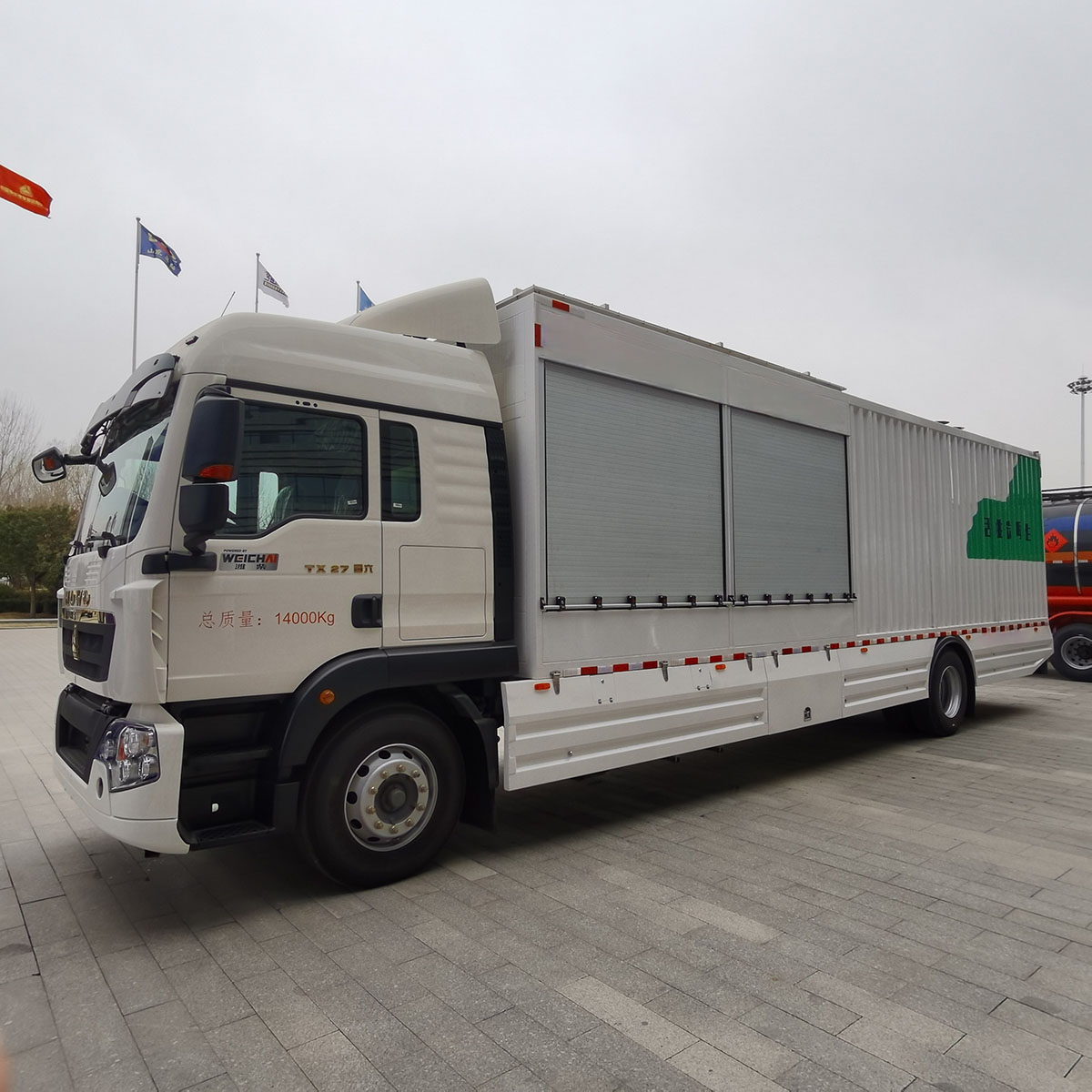
Key features of a 30-foot energy storage container
A 30-foot energy storage container is typically designed to house energy storage systems, such as batteries or other energy storage technologies, to provide reliable power for various applications. These containers are commonly used in industries like renewable energy (solar, wind), utilities, microgrids, and backup power solutions. Here are the key features of a 30-foot energy storage container:
- Size and Dimensions
Length: 30 feet (approximately 9 meters).
Width: Typically 8 feet (2.4 meters) standard for shipping containers.
Height: Often 8.5 feet (2.6 meters), though there may be high-cube versions with a height of 9.5 feet (2.9 meters).
- Energy Storage Capacity
The container can house several modular battery systems or other energy storage devices, typically with capacities ranging from 500 kWh to 2 MWh or more, depending on the battery technology used.
Battery types may include lithium-ion, sodium-sulfur, or flow batteries.
- Durability and Safety
Built with weather-resistant steel for outdoor installation.
Fire suppression systems and ventilation are included to maintain a safe operating environment.
Integrated cooling and heating systems to keep the energy storage systems at optimal temperatures.
Safety features like fuse protection, surge protection, and emergency shutdown mechanisms.
- Power and Connectivity
AC/DC inverters: To convert DC power from the batteries into AC power for the grid or local use.
Battery management systems (BMS) to monitor battery health, charging/discharging cycles, and overall system performance.
Communications interfaces (e.g., Modbus, SCADA) for remote monitoring and control.
Grid connection points for integration into the electrical grid or as part of a microgrid.
- Scalability
The container design allows for easy scaling by adding additional containers or integrating with larger storage systems.
Modular energy storage systems can be added or replaced based on demand and technology advancements.
- Environmental Protection
IP-rated enclosures to prevent dust and water ingress (e.g., IP54, IP65).
Some designs are optimized for extreme temperatures and can operate in a variety of climates (from -20°C to +50°C).
- Transportability
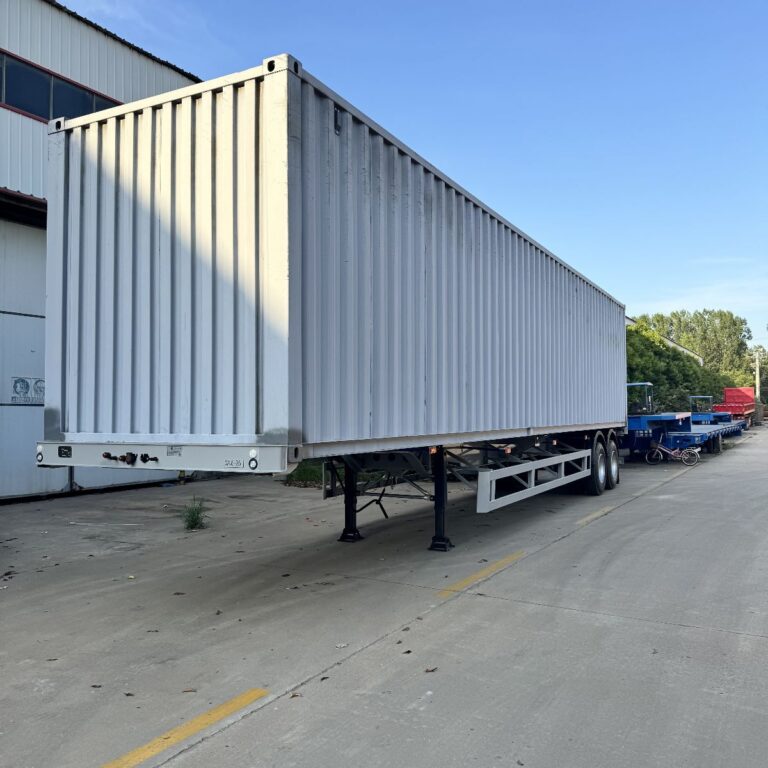
ISO standard container dimensions allow for easy shipping and relocation. The container is designed for transport by road, rail, or sea.
Forklift pockets and lifting points for handling and installation.
- Energy Management and Control
Smart energy management systems to optimize energy storage, charge/discharge cycles, and integrate with renewable sources.
Real-time monitoring through web interfaces or mobile apps.
Integration with grid demand-response systems to balance supply and demand.
- Grid Stabilization and Backup
Ability to provide frequency regulation, voltage support, and peak shaving to stabilize the grid.
Backup power for critical facilities or as part of microgrid solutions.
- Regulatory Compliance
Compliance with international standards such as UL 9540 (for battery energy storage systems) and IEC standards for safety, performance, and interoperability.
These containers are designed to offer flexibility, security, and efficiency in energy storage, making them ideal for a range of industrial and utility-scale applications. Would you be focusing on any specific feature for your project?