

Spring Construction Boom 2026: Lowbed Trailer Demand Surges Across Middle East
Executive Summary
Spring 2026 marks a critical inflection point for heavy transport equipment demand across the Middle East. As construction activity accelerates across Saudi Arabia, UAE, Qatar, and Iraq, lowbed trailers and flatbed trailers are experiencing unprecedented demand. Major infrastructure projects including NEOM Phase 2, UAE Rail Network Expansion, and Iraq Reconstruction Initiative are driving procurement needs for heavy haul transport solutions. This article analyzes market dynamics, identifies optimal trailer specifications for regional conditions, and provides strategic sourcing guidance for fleet operators and contractors preparing for the 2026 construction season.
Q2 2026 Construction Pipeline: Project Overview
The second quarter of 2026 represents one of the largest construction windows in Middle East history. Weather conditions (25-40°C ambient) are optimal for heavy civil works, and project financing has reached peak availability following Q1 budget approvals.
Saudi Arabia: NEOM and Vision 2030 Acceleration
Key Projects Driving Trailer Demand:
- NEOM Industrial City Phase 2: $12B infrastructure package requiring 180+ heavy haul trailers for module transport
- Riyadh Metro Extension: Pre-cast concrete beam transport (60-80 ton segments)
- Red Sea Resort Development: Modular hotel units requiring specialized lowbed configurations
- Qiddiya Entertainment City: Steel structure transport for stadium construction
Trailer Specifications in Demand:
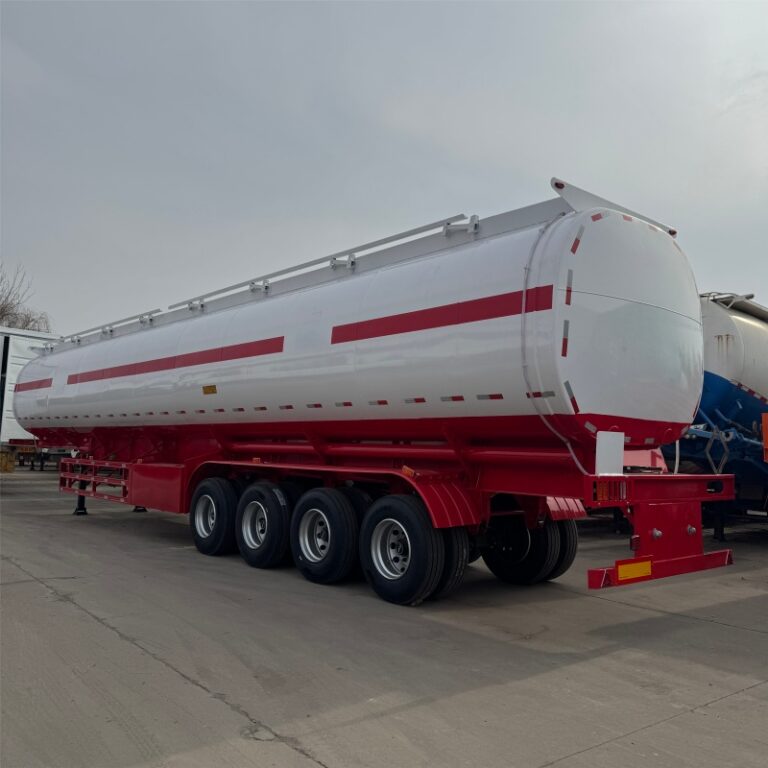
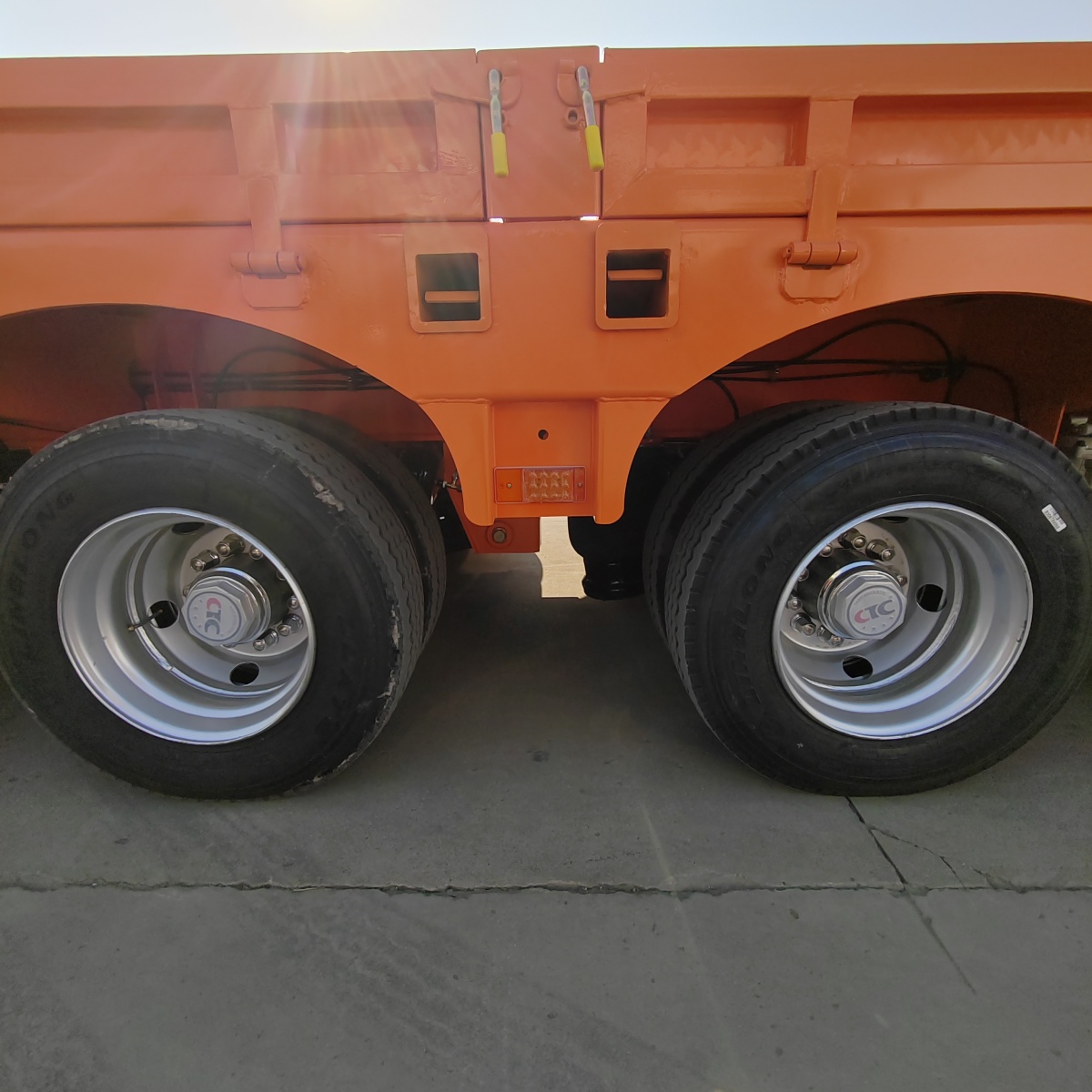
- 3-axle lowbed trailers (60-80 ton capacity)
- Hydraulic ramp systems for self-loading
- Extendable flatbed configurations (15-18m deck length)
- High-temperature package (55°C ambient rating)
UAE: Infrastructure Expansion Continues
Active Projects Requiring Heavy Transport:
- Etihad Rail Stage 3: Rail segment transport across 400km corridor
- Dubai Urban Expansion: Pre-fabricated building modules
- Abu Dhabi Industrial Zone: Heavy machinery relocation for new factories
Preferred Trailer Types:
- 40ft flatbed trailers with container locks (dual-purpose use)
- Drop deck trailers for oversized cargo
- Multi-axle configurations for weight distribution on urban routes
Iraq: Reconstruction Momentum
Post-conflict reconstruction has entered accelerated phase with international funding commitments:
- Mosul Reconstruction: $5B infrastructure rebuild requiring heavy equipment transport
- Basra Port Expansion: Crane and heavy machinery logistics
- Oil Field Development: Drilling rig transport (specialized heavy haul requirements)
Lowbed Trailer Market Analysis: Q2 2026
Demand Drivers
Three primary factors are converging to create exceptional lowbed trailer demand:
- Project Timing Convergence: Multiple mega-projects have synchronized their heavy transport phases for Q2-Q3 2026, creating temporary capacity shortages
- Fleet Replacement Cycle: Trailers purchased during 2019-2020 construction boom are reaching replacement age (7-year typical lifecycle in desert conditions)
- Regulatory Compliance: New GCC road safety regulations (effective Jan 2026) require upgraded braking systems and load monitoring equipment
Price Trends (Q1 vs Q2 2026)
| Trailer Type | Q1 2026 Avg Price (USD) | Q2 2026 Projected (USD) | Change |
|---|---|---|---|
| 3-Axle Lowbed (60T) | $28,000 – $32,000 | $31,000 – $36,000 | +12% |
| 4-Axle Lowbed (80T) | $38,000 – $43,000 | $42,000 – $48,000 | +11% |
| Flatbed 40ft | $18,000 – $22,000 | $19,500 – $24,000 | +9% |
| Extendable Flatbed | $24,000 – $28,000 | $26,500 – $31,000 | +11% |
Market Insight: Early procurement (March-April) can lock in Q1 pricing before peak season premiums take effect in May.
Technical Specifications: What Buyers Need in 2026
Essential Features for Middle East Operations
1. High-Temperature Adaptation
Required Specifications:
- Ambient Rating: 55°C continuous operation capability
- Tire Specification: Heat-resistant rubber compounds (minimum 16-ply rating)
- Brake System: Ventilated disc brakes with heat shields (drum brakes prone to fade in extreme heat)
- Electrical: High-temperature wire insulation (150°C rating minimum)
- Hydraulics: Synthetic fluid rated for -10°C to +80°C operating range
2. Sand and Dust Protection
Critical Protection Measures:
- IP67-rated electrical connectors and junction boxes
- Sealed bearing hubs with triple-lip seals
- Air intake pre-filters for any powered equipment
- Protective covers for hydraulic cylinders when retracted
- Easy-access grease points for frequent maintenance
3. Load Capacity and Configuration
Optimal Configurations by Application:
Construction Equipment Transport:
- 3-axle lowbed, 60-70 ton capacity
- Deck height: 900-1100mm (low center of gravity)
- Deck width: 3000mm (accommodates wide excavators)
- Hydraulic gooseneck for self-loading capability
Industrial Module Transport:
- 4-6 axle configurations, 80-120 ton capacity
- Extendable deck (15-25m length)
- Modular design for route-specific configurations
- Steering axles for tight maneuvering
General Cargo / Multi-Purpose:
- 40ft flatbed with container locks
- Removable side rails for flexibility
- Lashing points every 600mm along deck edges
- 50 ton payload capacity (balances versatility and road legality)
4. Safety and Compliance Features (2026 GCC Standards)
- ABS/EBS: Mandatory for all trailers over 10 tons GVW
- Load Monitoring: On-board weight sensors with cab display (required for Saudi highways)
- Lighting: Full LED with automatic brightness adjustment
- Reflective Markings: ECE 104 compliant retro-reflective tape (full perimeter)
- Underrun Protection: Front and rear, tested to 100kN impact
- Fire Safety: Two 8kg ABC extinguishers mounted on trailer frame
Sourcing Strategy: China vs Regional Suppliers
Why Chinese Manufacturers Remain Preferred
Despite regional manufacturing growth, Chinese trailer suppliers maintain competitive advantages:
| Factor | Chinese Manufacturers | Regional Suppliers |
|---|---|---|
| Price | 30-40% lower than regional | Premium pricing (local labor costs) |
| Lead Time | 25-35 days production + 20-30 days shipping | 15-20 days (but limited capacity) |
| Customization | Highly flexible, engineering support available | Limited options, standard configurations only |
| Quality | ISO-certified factories, export experience | Variable quality, newer industry |
| After-Sales | Improving (regional parts depots emerging) | Better local support, but higher parts cost |
Recommended Procurement Timeline
For Q3 2026 project deployment:
- March 2026: Supplier qualification and RFQ process
- Early April: Contract signing and deposit payment
- Late April – May: Production period (25-35 days)
- Early June: Pre-shipment inspection and final payment
- Mid-June: Shipment departure
- Mid-July: Arrival at destination port
- Late July: Customs clearance and delivery
Critical: This timeline accounts for Ramadan-related delays (if applicable) and peak season shipping congestion.
Supplier Qualification: Key Questions to Ask
Experience and Track Record
- How many lowbed/flatbed trailers have you exported to Middle East in past 24 months?
- Can you provide 3 customer references from Saudi Arabia, UAE, or Iraq?
- Do you have GCC certification experience (GSO, SASO, ESMA)?
- What is your annual production capacity for heavy trailers (60T+)?
- Do you maintain regional parts inventory or service partnerships?
Technical Capability
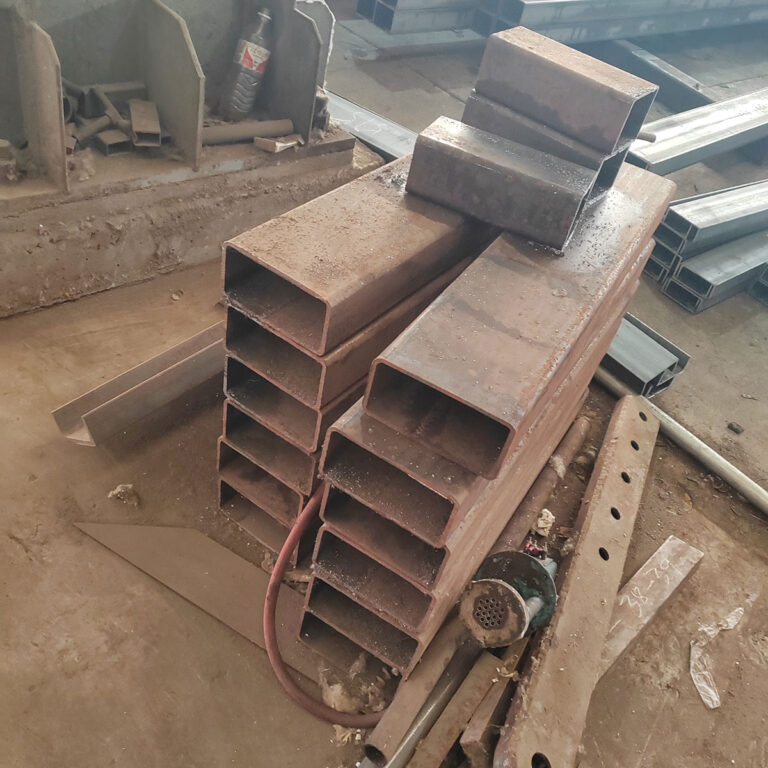
- What steel grades do you use for main beams? (Q345B/Q460 preferred)
- What welding process is used? (Submerged arc welding required for structural seams)
- Do you perform load testing on completed trailers? (Request test certificates)
- What axle brands do you offer? (BPW/FUWA/YAHUA are reputable)
- Can you customize deck height and width for specific applications?
After-Sales Support
- What is your warranty coverage? (Minimum 12 months structural)
- Do you provide detailed parts manuals with exploded diagrams?
- Can you supply replacement parts within 14 days to Middle East ports?
- Do you offer remote technical support (video calls for troubleshooting)?
- Have you trained any service centers in my country?
Case Study: Saudi Contractor Fleet Expansion
Client Profile
Company: Mid-sized construction contractor based in Riyadh
Project: NEOM Industrial City subcontractor
Requirement: 15 lowbed trailers for heavy equipment transport
Timeline: 8 weeks from order to deployment
Challenge
Client needed 60-ton capacity lowbed trailers with hydraulic ramps for self-loading excavators. Regional suppliers quoted 12-week lead time at $45,000/unit. Budget constraints and project deadlines required faster, more cost-effective solution.
Solution
Sourced from Chinese manufacturer with GCC export experience:
- 3-axle lowbed trailers, 60-ton capacity
- Hydraulic gooseneck with remote control
- High-temperature package (55°C rating)
- GSO certification included
- Unit price: $31,500 (30% savings vs regional)
- Production time: 28 days
- Shipping: 18 days (Jeddah Islamic Port)
Outcome
All 15 trailers delivered in 52 days total. Client deployed fleet on schedule, winning additional NEOM contracts. Total savings: $202,500 compared to regional supplier quotes. Zero structural defects reported after 6 months of intensive operation.
Financing and Total Cost of Ownership
Beyond Purchase Price: TCO Considerations
Smart buyers evaluate total cost of ownership, not just upfront price:
Operating Costs (Annual, per trailer)
- Tires: $2,000-3,000 (replacement every 18-24 months in desert conditions)
- Brake Components: $800-1,200 (pads, drums, air chambers)
- Bearings and Seals: $400-600 (annual repacking and replacement)
- Paint and Corrosion Protection: $500-800 (touch-up and undercoating)
- Registration and Insurance: Varies by country ($1,000-3,000 typical)
Cost-Saving Strategies
- Bulk Procurement: 10+ unit orders typically receive 8-12% discount
- Standardization: Common specifications across fleet reduce parts inventory costs
- Preventive Maintenance: Regular greasing and inspection prevents 60% of major repairs
- Driver Training: Proper loading and operation extends trailer life by 30-40%
Conclusion: Act Now for Q2 Deployment
The spring 2026 construction boom presents both opportunity and challenge for heavy transport operators. Demand for lowbed trailers and flatbed trailers is projected to remain elevated through Q3, with pricing pressure expected to intensify as May approaches.
Key Takeaways for Buyers:
- Timing is critical: March-April procurement avoids peak season premiums and ensures Q2 deployment
- Specifications matter: High-temperature adaptation and dust protection are non-negotiable for Middle East operations
- Chinese manufacturers offer best value: 30-40% cost savings with comparable quality to regional suppliers
- Due diligence prevents problems: Thorough supplier qualification and pre-shipment inspection are essential
- Plan for total cost: Factor in operating costs, not just purchase price, when evaluating options
For contractors and fleet operators preparing for the 2026 construction season, the message is clear: act decisively, specify rigorously, and partner with experienced exporters who understand Middle East requirements. The projects are waiting—the question is whether your transport capacity will be ready.
Looking for reliable heavy trailer suppliers? Contact our team for verified manufacturer recommendations and procurement support across all Middle East markets.