

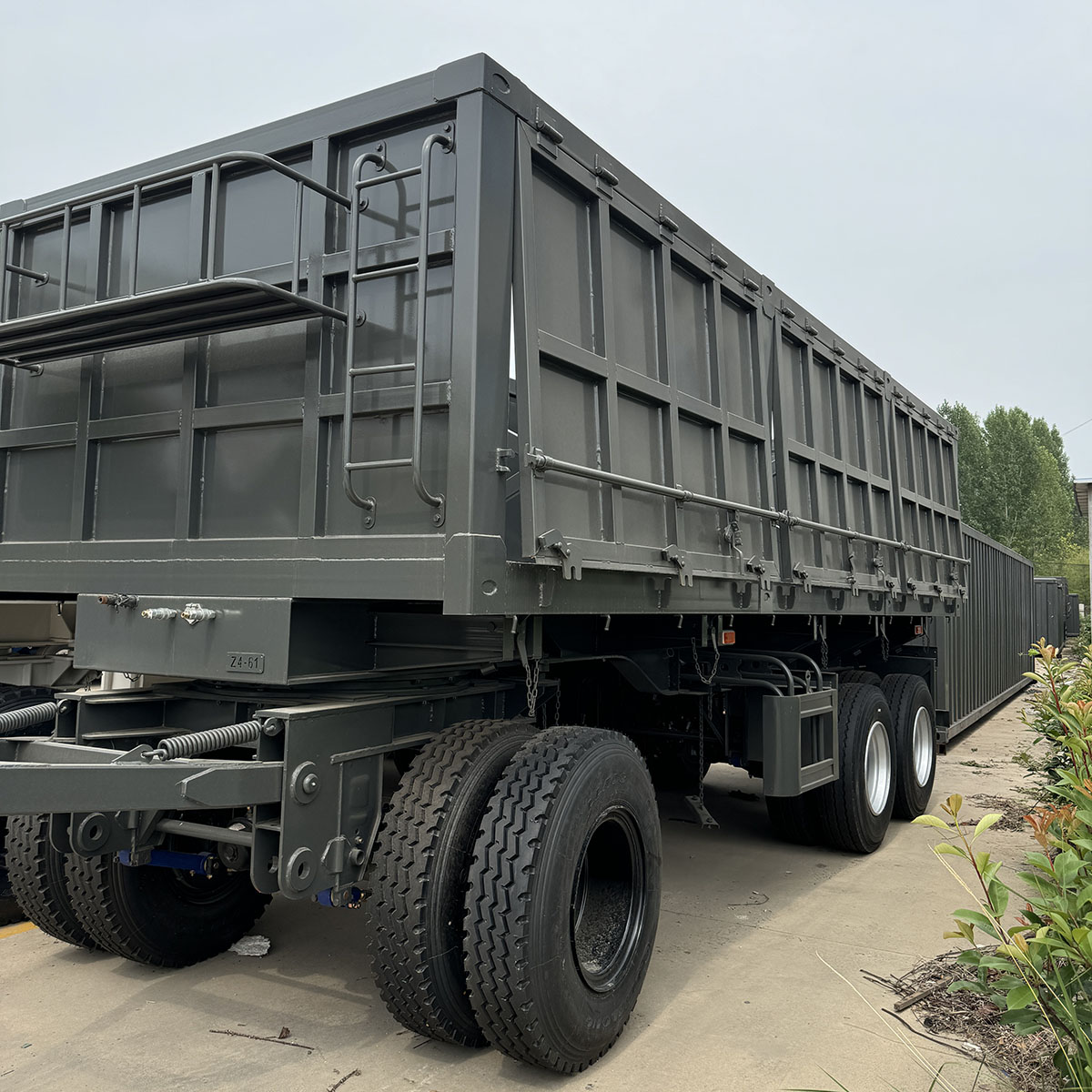
Trends in the coal transport vehicle industry: Multimodal transport and greenification lead market transformation
Trends in the coal transport vehicle industry: Multimodal transport and greenification leading market transformation
Transport structure optimization: railway led, multimodal transport accelerated
Railway transportation: accounting for 60% of the total coal transportation, with “North to South Coal Transportation” and “West to East Coal Transportation” as the core, forming a transportation network from the “Three West” (Shanxi, Shaanxi, Inner Mongolia) base to the ports around the Bohai Sea and the Yangtze River Basin. For example, the annual transportation volume of Daqin Line and Shuohuang Line exceeds 400 million tons, but there is a capacity bottleneck for lines such as Mengdong to Northeast due to single track non electrification.
Water transportation accounts for 30%, with ports around the Bohai Sea (such as Tianjin Port and Huanghua Port) undertaking the main task of launching water. However, insufficient port capacity (such as the unloading capacity of only 500 million tons at northern ports in 2009) limits efficiency.
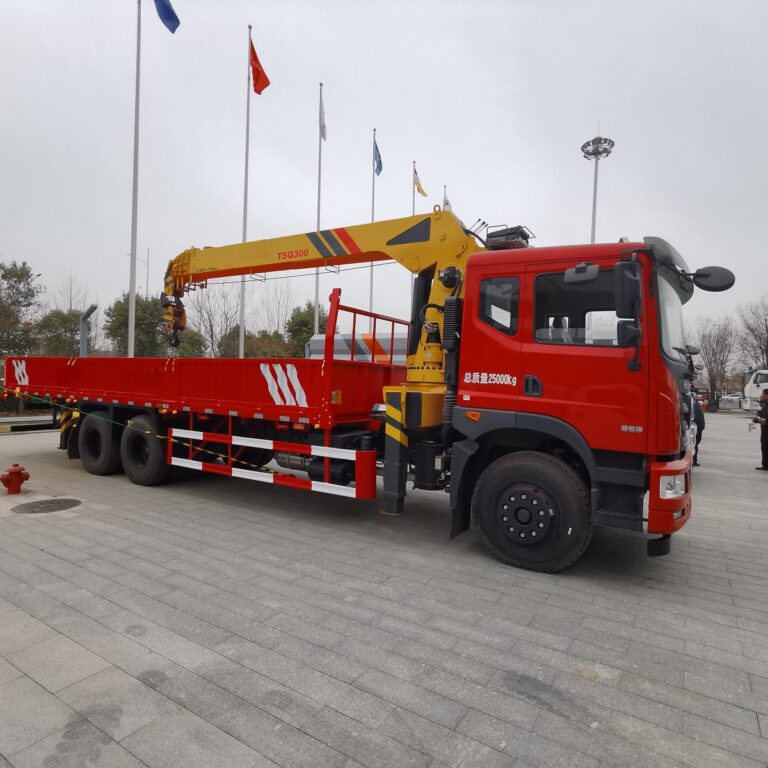
Road transportation: As a supplement (accounting for 10%), it has high costs (about $1.5/ton kilometer) and high pollution, and is only suitable for short distance transportation.
Green transformation: policy driven and technological upgrading
Policy pressure: Environmental policies are becoming stricter, requiring coal transportation enterprises to reduce carbon emissions. For example, the total emissions of China’s coal supply industry in 2020 were 641 million tons of CO ₂ equivalent, which is expected to decrease to 526 million tons by 2030 (a decrease of 15.34%).
Technical Path:
Railway Electrification: The double track electrification renovation of Daqin Line enhances transportation capacity and reduces diesel consumption.
New energy vehicles: XCMG new energy tractor is widely used in mining areas, with a 400 kWh power configuration, saving 1/3 of transportation costs per kilometer compared to fuel vehicles, and significantly improving quietness and air quality.
Clean energy: The country’s first high-power hydrogen powered shunting locomotive has a range of over 800 kilometers and only produces water during operation, with significant environmental benefits.
Intelligent upgrade: IoT and big data optimization efficiency
Intelligent scheduling: Real time monitoring of coal transportation status through IoT technology, optimizing routes and loading plans. For example, XCMG’s new energy heavy-duty trucks are equipped with a six level energy recovery system, combined with big data analysis to reduce energy consumption.
Automatic loading: The train coal automatic loading system utilizes technologies such as matrix radar modeling and dual LiDAR point cloud analysis to achieve precise loading, reduce overload and underload risks, and improve transportation safety.