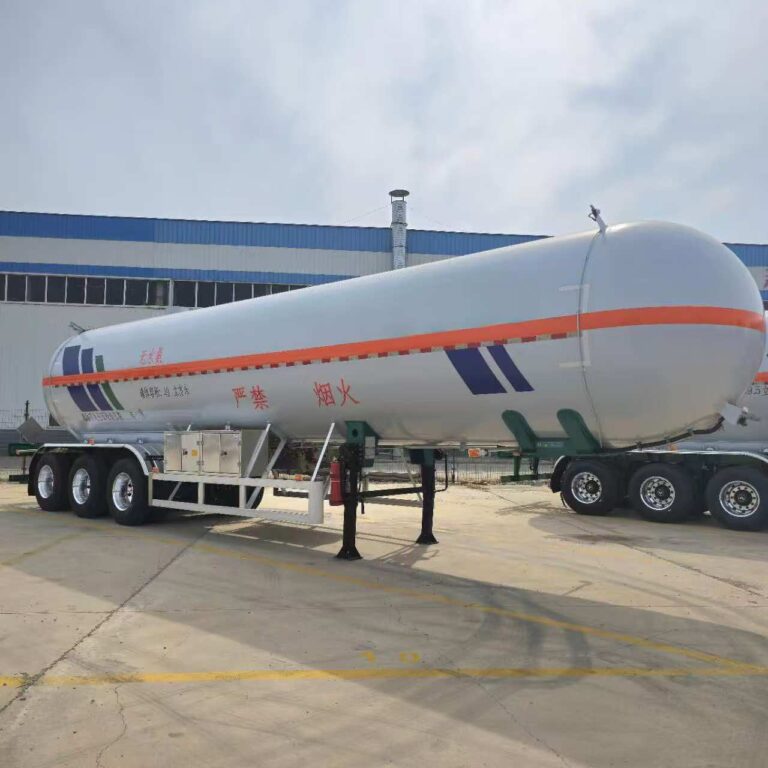


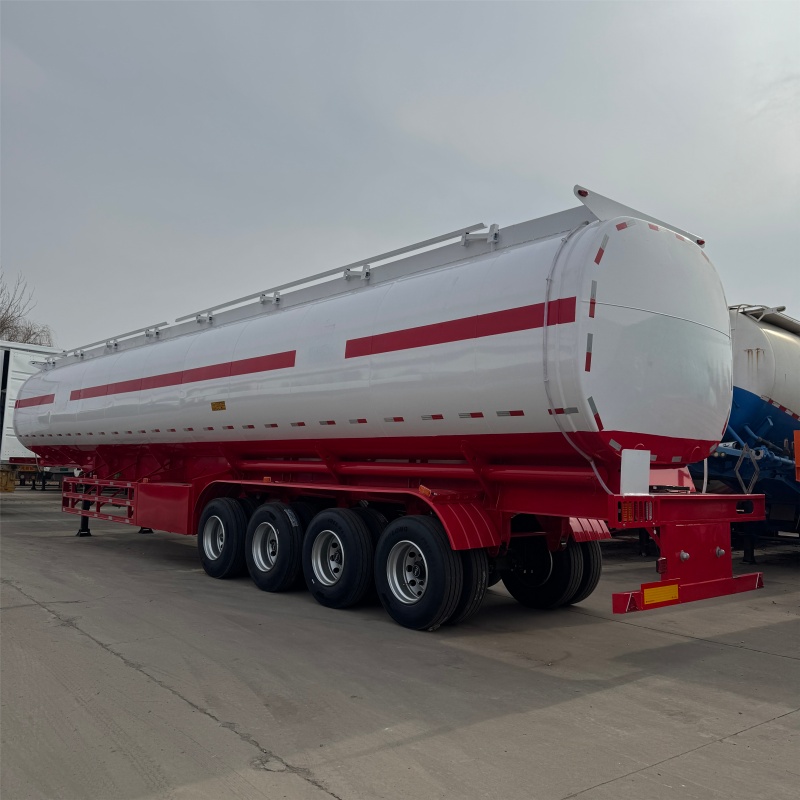
Caspian Energy Boom 2026: Oil Tanker Trailer Opportunities in Azerbaijan and Turkmenistan
Executive Summary
The Caspian Sea region is experiencing an unprecedented energy development surge in 2026, driven by new offshore discoveries, pipeline expansions, and strategic redirection of oil and gas flows away from traditional Russian routes. Azerbaijan’s Azeri-Chirag-Gunashli (ACG) field expansion and Turkmenistan’s Galkynysh gas field development are creating massive demand for oil tanker trailers and fuel transport trailers. This analysis examines emerging transport corridors, quantifies tanker trailer demand projections for the Caspian basin, and identifies critical compliance requirements for operators seeking to capitalize on this regional energy boom. Market estimates indicate 800-1,200 new tanker trailer units will be required across the region by 2028, with Chinese manufacturers positioned to capture 60-70% of import demand.
The Caspian Energy Renaissance: 2026 Developments
Strategic Context: Why the Caspian Matters Now
Three converging factors have elevated the Caspian region to global energy prominence:
- Production Growth: Azerbaijan oil output increased 22% in 2025-2026; Turkmenistan gas production up 35%
- Route Diversification: Southern Gas Corridor expansion reduces dependence on Russian pipeline network
- Regional Refining: New refineries in Georgia, Turkey, and Iran require product distribution networks
Major Projects Driving Transport Demand
Azerbaijan: ACG Field Expansion
- Project: $6B Azeri-Chirag-Gunashli field life extension
- Timeline: 2026-2030 production plateau at 600,000 barrels/day
- Transport Requirement: Crude oil movement from Baku terminals to Georgian ports (BTC pipeline alternative for smaller volumes)
- Trailer Need: 200-300 tanker trailers (35-45 m³ capacity)
Turkmenistan: Galkynysh Gas Field
- Project: World’s 4th largest gas field, phased development
- Output: 60 billion cubic meters/year by 2027
- Condensate Transport: Gas condensate requires specialized tanker transport to refineries
- Trailer Need: 150-200 chemical/condensate tankers (pressurized configurations)
Kazakhstan: Caspian Pipeline Consortium (CPC) Expansion
- Project: CPC capacity increase to 1.4 million barrels/day
- Feeder Routes: Road transport from smaller fields to CPC terminals
- Trailer Need: 250-350 crude oil tanker trailers
Georgia: Black Sea Terminal Expansion
- Project: Batumi and Poti port capacity doubling
- Function: Oil transshipment from Azerbaijan/Kazakhstan to European markets
- Trailer Need: 100-150 product tanker trailers for domestic distribution
Oil Tanker Trailer Demand Forecast: Caspian Region 2026-2028
Quantitative Demand by Country
| Country | 2026 Demand (Units) | 2027 Projected | 2028 Projected | Primary Application |
|---|---|---|---|---|
| Azerbaijan | 200 – 280 | 150 – 200 | 100 – 150 | Crude oil, condensate |
| Turkmenistan | 150 – 200 | 180 – 240 | 150 – 200 | Gas condensate, refined products |
| Kazakhstan (Caspian) | 250 – 350 | 200 – 280 | 150 – 200 | Crude oil to CPC terminals |
| Georgia | 100 – 150 | 80 – 120 | 60 – 100 | Refined product distribution |
| Uzbekistan (landlocked) | 120 – 180 | 150 – 200 | 150 – 200 | Refined products from Turkmenistan |
| Total Regional | 820 – 1,160 | 760 – 1,040 | 610 – 850 | – |
Market Insight: Peak demand occurs in 2026 during infrastructure buildout phase; 2027-2028 demand shifts to fleet replacement and expansion.
Trailer Type Preferences by Application
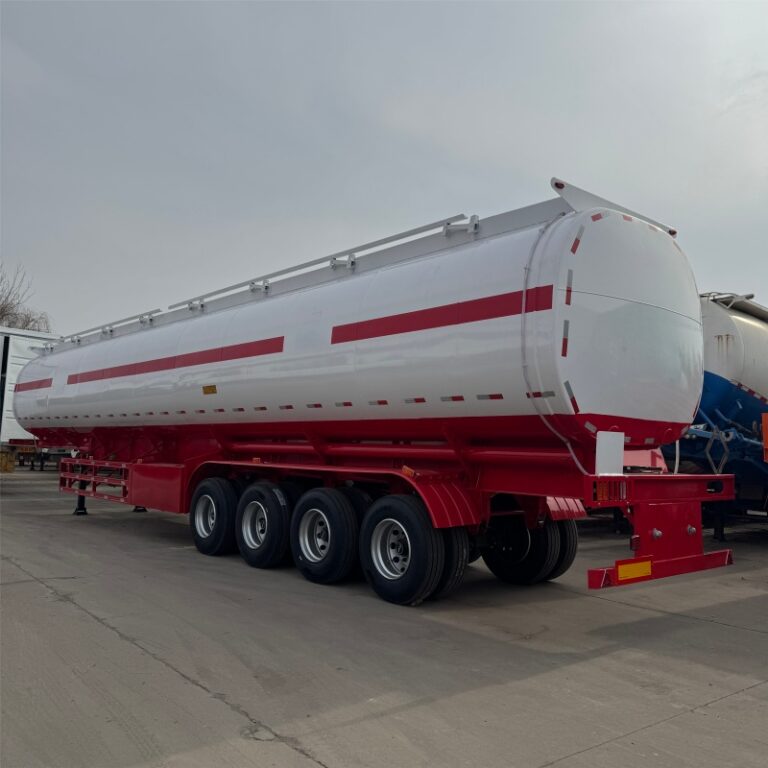
Crude Oil Transport (Azerbaijan, Kazakhstan)
- Capacity: 40-50 m³ (maximize payload for long-haul economics)
- Configuration: Single compartment, uninsulated or basic insulation
- Material: Carbon steel Q345R (cost-effective, suitable for crude)
- Heating: Steam heating coils for viscous crude (winter operation)
- Safety: Basic spill containment, emergency shut-off valves
Gas Condensate Transport (Turkmenistan)
- Capacity: 35-42 m³ (weight-optimized for high-density product)
- Configuration: Pressurized tanks (3-5 bar working pressure)
- Material: Stainless steel 304 or aluminum alloy (product purity)
- Safety: Enhanced pressure relief, vapor recovery systems
- Certification: ADR-compliant for dangerous goods transport
Refined Product Distribution (Georgia, Uzbekistan)
- Capacity: 30-38 m³ (urban delivery weight restrictions)
- Configuration: 3-5 compartments (multi-product: diesel, gasoline, jet fuel)
- Material: Stainless steel 304 (food-grade for aviation fuel)
- Metering: Flow meters with digital displays (custody transfer)
- Loading: Bottom loading with vapor recovery (environmental compliance)
Regulatory Landscape: Caspian Regional Compliance
Azerbaijan Certification Requirements
National Standards:
- AZS Certification: Azerbaijan State Standardization required for all commercial vehicles
- Technical Inspection: Annual inspection mandatory for hazardous materials transport
- Driver Licensing: Category CE + hazardous materials endorsement required
- Language: Azerbaijani or Russian documentation accepted
Import Process:
- Customs duty: 5% of CIF value
- VAT: 18% (recoverable for commercial operators)
- Certificate of Conformity: Required from AZS-accredited body
- Processing time: 7-10 business days
Turkmenistan: Restricted Market Considerations
Market Characteristics:
- Import Restrictions: Government-controlled procurement; private imports limited
- Preferred Suppliers: State tenders favor established relationships
- Payment: Letters of credit through Turkmenistan State Bank
- Localization: Russian language documentation mandatory
Entry Strategy: Partner with local state-owned transport enterprises for market access.
Kazakhstan: EAEU Member Advantages
EAC Certification Benefits:
- Single certification valid across Russia, Belarus, Armenia, Kyrgyzstan
- Streamlined customs within EAEU (no additional duties)
- Technical Regulation TR CU 018/2011 compliance required
National Requirements:
- Kazakhstan vehicle registration within 10 days of import
- Annual technical inspection for commercial vehicles
- Dangerous goods transport license (separate from vehicle certification)
Georgia: EU Alignment Progress
Regulatory Framework:
- ADR (European dangerous goods agreement) fully adopted
- ECE vehicle regulations (European standards) mandatory
- No EAEU certification required (non-member state)
- EU-type approval accepted for vehicle imports
Import Advantages:
- Free trade agreement with China (reduced duties)
- Efficient customs processing (2-3 days typical)
- English documentation accepted
Transport Corridors: Moving Oil from Caspian to Market
Primary Corridor: Azerbaijan → Georgia → Turkey
Route: Baku → Tbilisi → Kars → Turkish border
Distance: 850 km to Turkish border
Volume: 120,000-150,000 barrels/day (road + pipeline combined)
Road Transport Share: ~25,000 barrels/day (smaller volumes, flexible routing)
Corridor Characteristics:
- Road Quality: Good (recent infrastructure investment)
- Mountain Passes: Maximum elevation 2,100m (retarder brakes recommended)
- Border Crossings: Red Bridge (AZ-GE), Kars (GE-TR)
- Transit Time: 2-3 days Baku to Turkish border
Secondary Corridor: Kazakhstan → Caspian Sea → Azerbaijan
Route: Aktau → Ferry → Baku → onward transport
Distance: 400 km sea crossing + land transport
Volume: 8,000-12,000 barrels/day (road transport via ferry)
Corridor Characteristics:
- Ferry Capacity: 8-12 tanker trailers per crossing (daily service)
- Sea Conditions: Caspian storms can disrupt service (winter months)
- Transit Time: 18-24 hours sea crossing + customs
- Cost: $800-1,200 per trailer ferry fee
Emerging Corridor: Turkmenistan → Azerbaijan → Georgia
Route: Turkmenbashi → Ferry → Baku → Tbilisi
Status: Limited capacity, developing infrastructure
Volume: 3,000-5,000 barrels/day (condensate focus)
Development Timeline:
- 2026: Ferry capacity expansion (new vessels ordered)
- 2027: Road improvements on Azerbaijani section
- 2028: Potential 15,000+ barrels/day capacity
Chinese Manufacturer Opportunity: Caspian Market Fit
Competitive Advantages for Chinese Suppliers
| Advantage | Details | Impact |
|---|---|---|
| Price Competitiveness | 40-50% lower than European suppliers | Critical for price-sensitive Caspian markets |
| EAC Certification | Top 30 Chinese exporters hold valid EAC certificates | Enables Kazakhstan market access |
| Customization | Flexible engineering for regional specifications | Adapt to Caspian climate and route conditions |
| Production Capacity | Large factories handle 100+ unit orders | Meet rapid deployment timelines |
| Logistics Experience | Established rail/sea routes to Caspian region | Reliable delivery to landlocked markets |
Recommended Manufacturing Partners
For EAEU Markets (Kazakhstan)
- CIMC Vehicles (Henan): EAC certified, proven Kazakhstan track record
- Liangshan Dongyue (Shandong): Cost-competitive, EAC experienced
- Shandong Fudeng: Heavy-duty crude tankers, EAEU compliance
For Non-EAEU Markets (Azerbaijan, Georgia, Turkmenistan)
- Guangdong Foshan manufacturers: Higher quality, ADR-compliant options
- Shanghai Special Vehicle: Stainless steel expertise for refined products
- Zhejiang Yongkang exporters: Competitive pricing, growing Caspian presence
Supplier Qualification Checklist
- Relevant Certifications: EAC (for Kazakhstan), ADR-compliance (for Georgia/Azerbaijan)
- Caspian References: Request 3-5 customer contacts from region (past 24 months)
- Climate Adaptation: Verify cold weather package availability (-30°C to +45°C range)
- Spare Parts: Confirm parts availability in Baku, Almaty, or Tbilisi
- Warranty Support: Minimum 12 months structural, 6 months components
Logistics: Delivering Trailers to Caspian Region
Transport Routes from China
Route 1: Rail via Kazakhstan (Recommended for Kazakhstan destinations)
- Gateway: Alashankou/Khorgos border → Almaty → Caspian ports
- Transit Time: 15-20 days to Almaty, 20-25 days to Aktau
- Cost: $4,000-5,500 per trailer (rail freight)
- Capacity: 2-3 trailers per rail car (disassembled)
Route 2: Sea → Rail (For Azerbaijan, Georgia)
- Gateway: Chinese ports → Poti/Batumi (Georgia) or Baku (Azerbaijan)
- Transit Time: 30-40 days total (sea + transshipment)
- Cost: $3,500-4,500 per trailer
- Capacity: 4-6 trailers per 40ft container (disassembled)
Route 3: Road (For urgent deliveries)
- Gateway: Xinjiang → Kyrgyzstan → Uzbekistan → Turkmenistan/Azerbaijan
- Transit Time: 10-15 days drive-away
- Cost: $5,000-7,000 per trailer
- Best For: Urgent replacements, small quantities (1-5 units)
Customs Documentation Requirements
- Commercial invoice (detailed value breakdown)
- Packing list (dimensions, weights, HS codes)
- Certificate of origin (Chamber of Commerce stamped)
- Vehicle certification (EAC, AZS, or national equivalent)
- Technical passport (Russian language for CIS countries)
- Bill of lading or CMR (transport mode dependent)
HS Code: 8716.39.100 (Tanker semi-trailers for liquids)
Import Duty: 5-15% depending on country and trade agreements
VAT: 12-20% depending on country (often recoverable for commercial operators)
Investment Analysis: Caspian Tanker Trailer ROI
Revenue Potential per Trailer
| Route | Rate per Trip (USD) | Trips per Month | Monthly Revenue |
|---|---|---|---|
| Baku → Tbilisi (round trip) | $2,800 – $3,500 | 6-8 | $16,800 – $28,000 |
| Aktau → Baku (ferry + land) | $3,200 – $4,000 | 4-6 | $12,800 – $24,000 |
| Domestic Kazakhstan | $1,500 – $2,200 | 10-14 | $15,000 – $30,800 |
| Turkmenistan domestic | $1,800 – $2,500 | 8-10 | $14,400 – $25,000 |
Operating Cost Analysis (per trailer, monthly)
- Fuel: $4,000-6,000 (depending on route and utilization)
- Driver: $1,200-1,800 (regional wage variations)
- Maintenance: $800-1,200 (including tires, oil changes)
- Insurance: $400-600 (commercial vehicle + cargo)
- Tolls/Fees: $600-1,000 (border crossings, road tolls)
- Total Operating Cost: $7,000-10,600 per month
ROI Calculation (Purchase vs. Revenue)
| Scenario | Purchase Price | Monthly Net Profit | Payback Period |
|---|---|---|---|
| Conservative | $38,000 | $8,000 | 4.8 months |
| Moderate | $38,000 | $12,000 | 3.2 months |
| Optimistic | $38,000 | $18,000 | 2.1 months |
Market Insight: Caspian region offers exceptional ROI due to supply-demand imbalance. Payback periods of 3-5 months are achievable for well-utilized assets.
Risk Assessment and Mitigation
Key Risks for Caspian Operations
Geopolitical Risk
- Concern: Regional tensions, border closures, sanctions impact
- Mitigation: Diversify across multiple countries; avoid single-market dependence
- Insurance: Political risk insurance available through export credit agencies
Currency Risk
- Concern: Local currency volatility (Azerbaijani manat, Kazakh tenge, Turkmen manat)
- Mitigation: Contract in USD or EUR where possible; hedge currency exposure
- Pricing: Build 10-15% currency buffer into rate calculations
Operational Risk
- Concern: Harsh climate, remote routes, limited service infrastructure
- Mitigation: Invest in quality equipment; maintain spare parts inventory
- Training: Driver training for extreme conditions and emergency response
Payment Risk
- Concern: Payment delays, especially with state-owned enterprises
- Mitigation: Letters of credit; progress payments; credit insurance
- Terms: 30% deposit, 60% against delivery, 10% after acceptance
Conclusion: Caspian Window of Opportunity
The Caspian energy boom of 2026 presents a time-limited opportunity for oil tanker trailer investors and operators:
- Market Size: 800-1,200 new units required by 2028
- Growth Driver: Structural (production growth + route diversification), not cyclical
- Chinese Advantage: Price, certification, capacity alignment with market needs
- ROI Potential: 3-5 month payback for well-utilized assets
- Timing: 2026 peak demand; early movers capture market share
Strategic Recommendations:
- Act in Q2 2026: Place orders now for Q3 delivery (peak construction season)
- Partner with experienced exporters: EAC/ADR certification non-negotiable
- Focus on quality: Total cost of ownership favors premium specifications
- Build regional presence: Local service capability differentiates winners
- Diversify markets: Spread risk across Azerbaijan, Kazakhstan, Georgia
The Caspian energy map has been redrawn. The question is whether your fleet will be positioned to capture this historic opportunity.
For verified supplier recommendations and Caspian market entry guidance, contact our team for specialized procurement support across Azerbaijan, Kazakhstan, Turkmenistan, and Georgia.