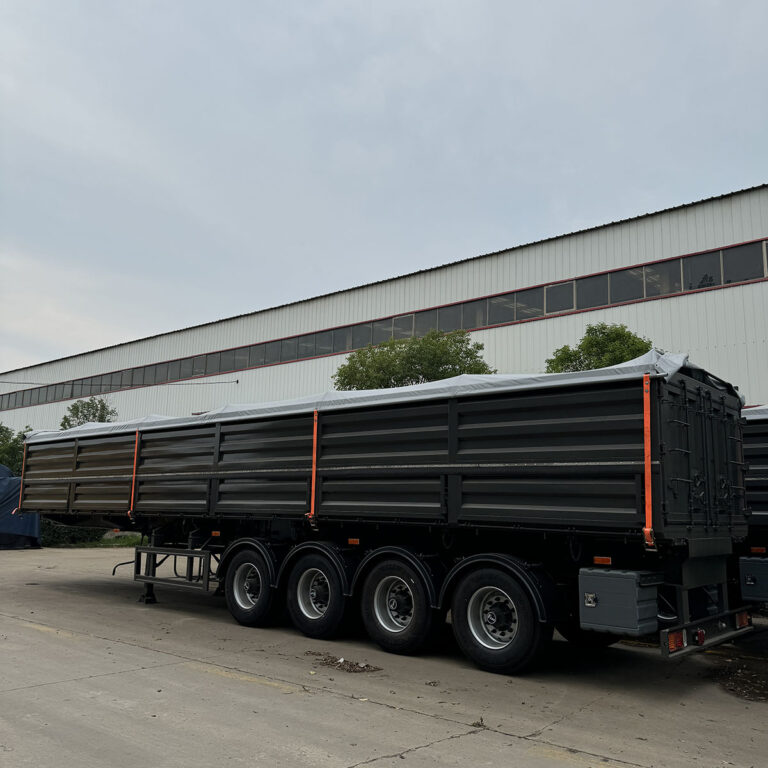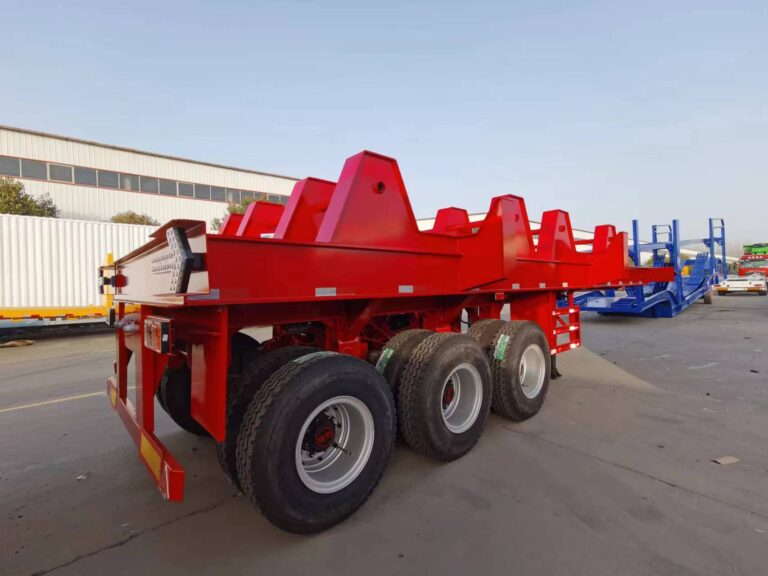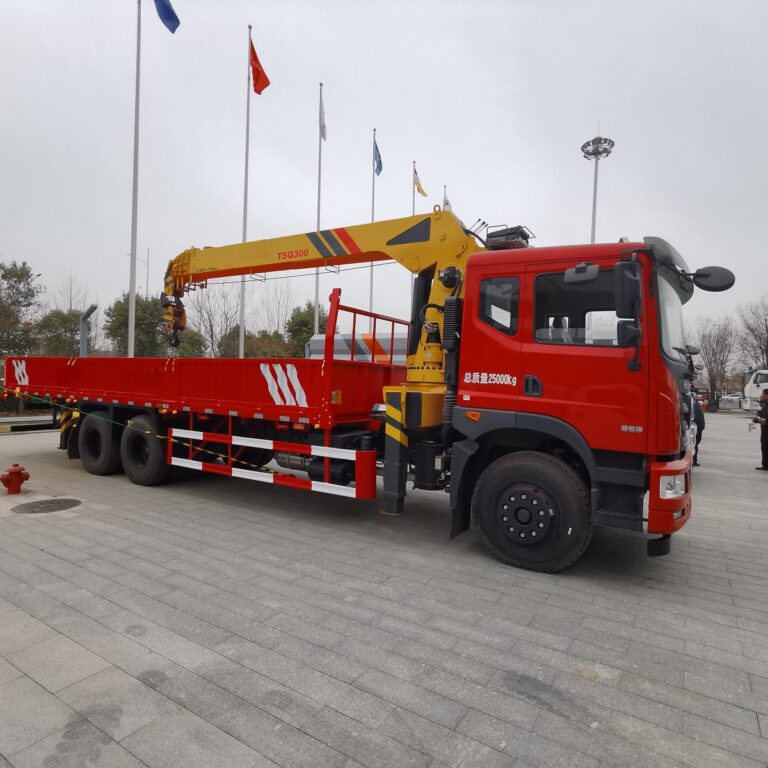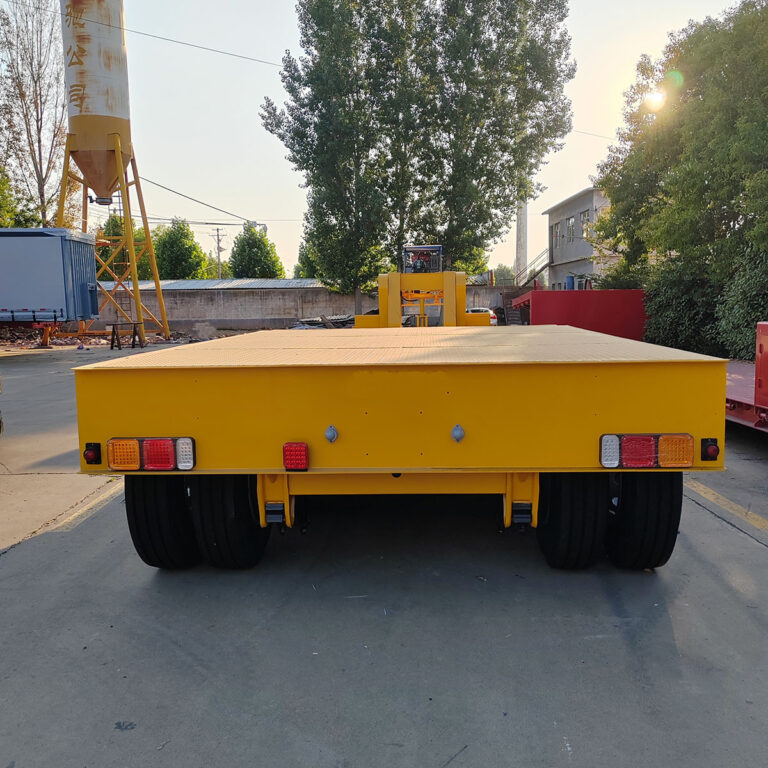


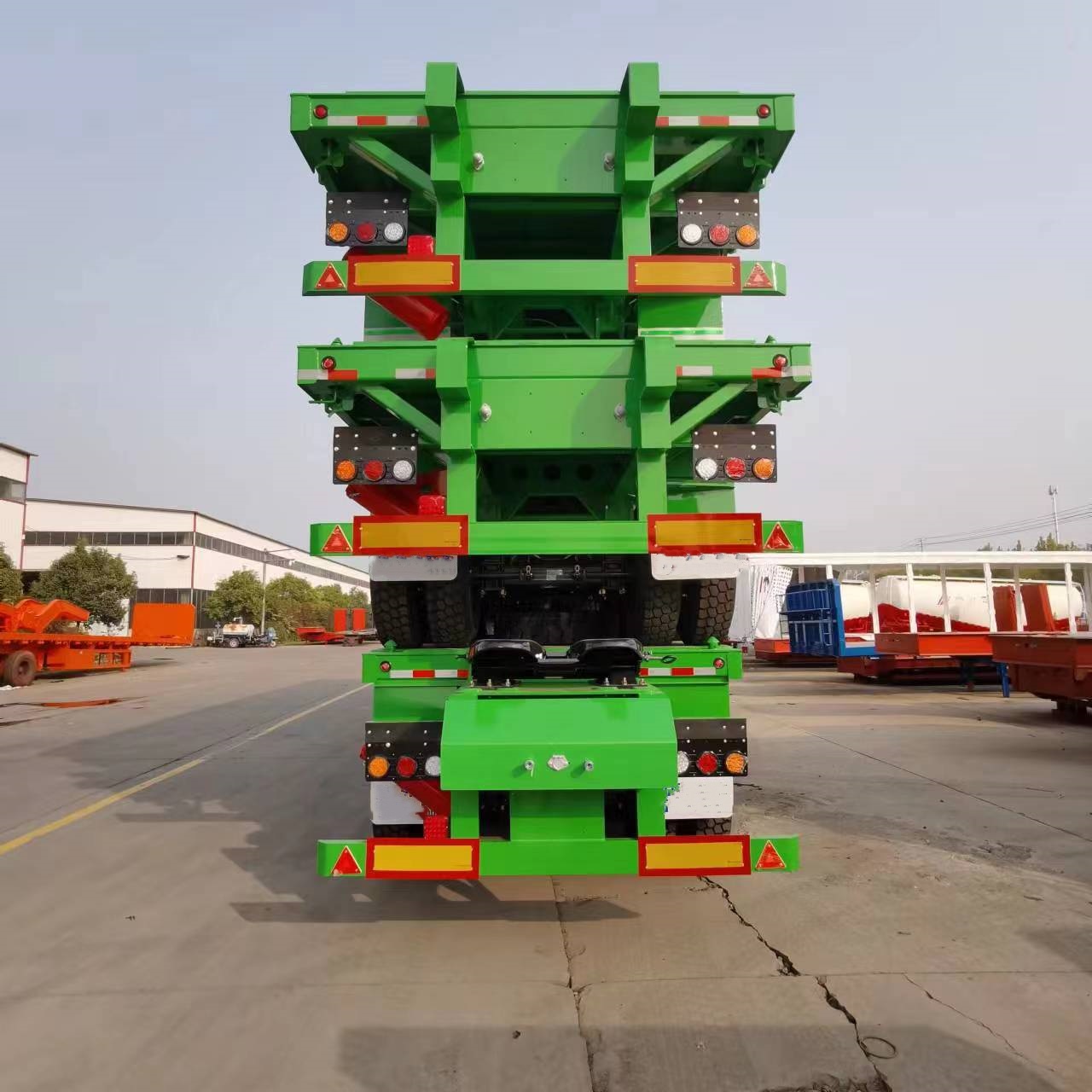
Structural characteristics of flatbed transport semi-trailers
Flatbed transport semi-trailers are a critical component in the logistics and transportation industry, designed to carry heavy loads and awkwardly shaped items. They feature several structural characteristics that differentiate them from other types of trailers. Below are some key structural features of flatbed transport semi-trailers:
1. Deck Design
- Flat Surface: The primary characteristic of a flatbed semi-trailer is its flat deck that provides a wide, unobstructed area for loading and unloading cargo. This flat surface allows for the transport of large and heavy items, including industrial equipment, steel beams, and other oversized loads.
- Material Composition: The deck is commonly made from durable materials such as hardwood, aluminum, or steel, chosen for their strength and resistance to wear and environmental elements.
2. Frame Structure
- Main Beams: Flatbed trailers typically have I-beam or box beam frames, which provide strength and rigidity. These beams are designed to bear heavy loads and resist bending or flexing.
- Cross Members: Transverse members that connect the main beams add stability to the deck and help distribute loads evenly across the frame.
- Stringers: Longitudinal support members help maintain the integrity of the trailer structure, providing extra strength and durability.
3. Axles and Suspension
- Multi-Axle Design: Flatbed semi-trailers may have multiple axles to distribute the weight of heavy loads effectively. These axles are often equipped with air or leaf spring suspension systems to ensure stability and smooth transportation, especially on uneven surfaces.
- Load Rating: The design and number of axles contribute to the overall load rating of the trailer, accommodating various weights as per transport regulations.
4. Loading and Unloading Features
- Stake Pockets: Many flatbed trailers are equipped with stake pockets along the edges, allowing the attachment of stakes for secure load containment.
- Tie-Down Straps and Hooks: Most designs include numerous tie-down points, such as D-rings and other types of anchor points, facilitating secure cargo attachment during transit.
- Side Rails: Some flatbed trailers may come with removable side rails to enhance the security of the cargo while still allowing easy access from the sides.
5. Dimensions and Capacity
- Standard Sizes: Flatbed trailers come in various lengths and widths, with common sizes being 48 to 53 feet in length and 8.5 feet in width. Custom sizes can also be manufactured to meet specific transportation needs.
- Height: The deck height varies but usually falls between 48 to 60 inches from the ground, allowing compatibility with lifting equipment like cranes and forklifts during loading and unloading.
6. Safety Features
- Reflective Markings and Lights: Safety is paramount in transport. Flatbed trailers are typically equipped with reflective strips and lights to ensure visibility, particularly during night operations.
- Fenders and Mud Flaps: These elements help protect the cargo and other vehicles on the road from debris that may fall off during transit.
7. Build Variations
- Open vs. Enclosed Design: While traditional flatbeds are open, some may have removable tarps or coverings to protect the load from weather elements during transit.
- Lowboy Configuration: Lowboy trailers are a specific variant designed with a lowered deck height, facilitating the transportation of taller loads without exceeding legal height restrictions.