

Flatbed transport semi transporter performance advantages
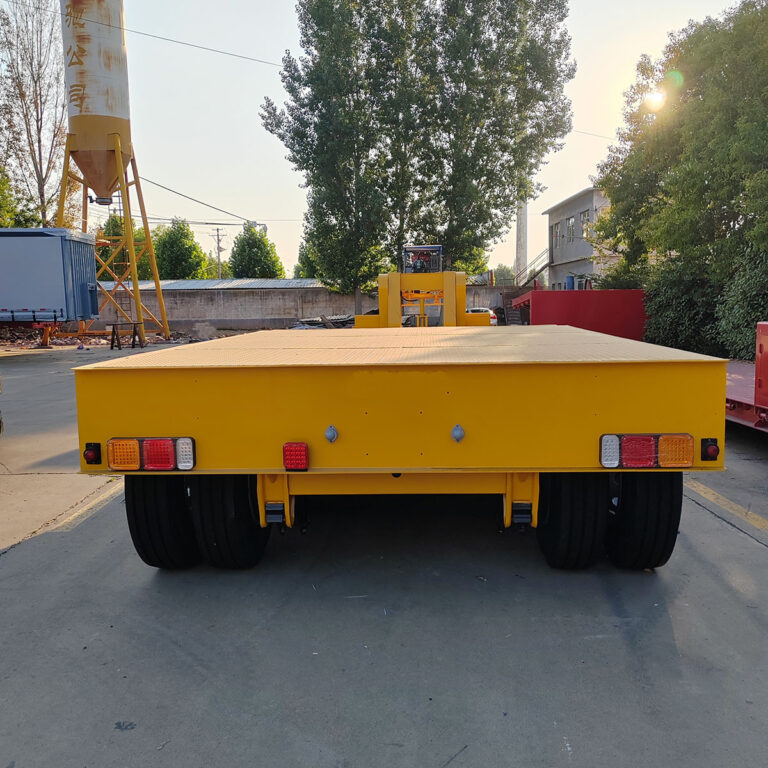
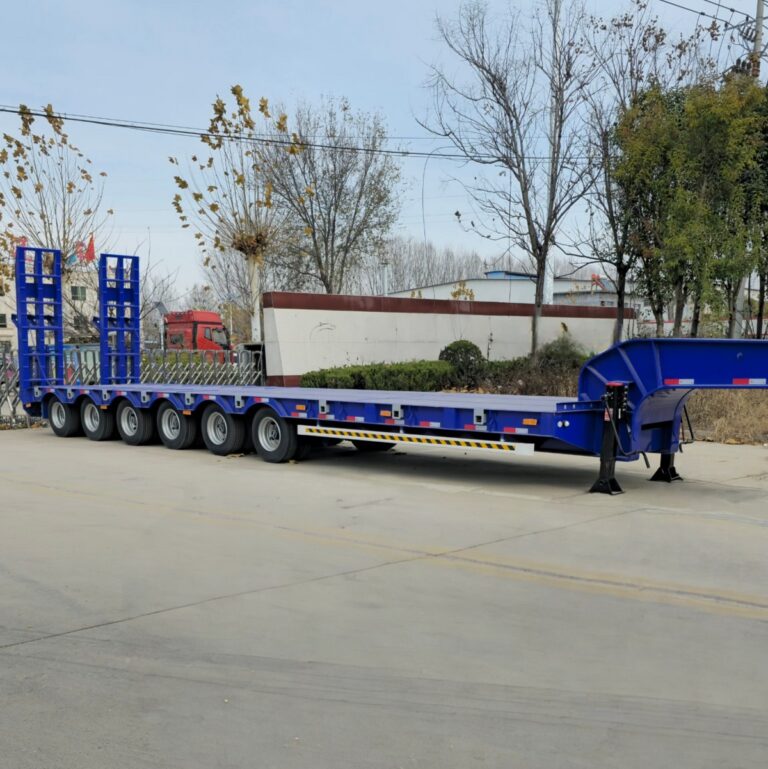
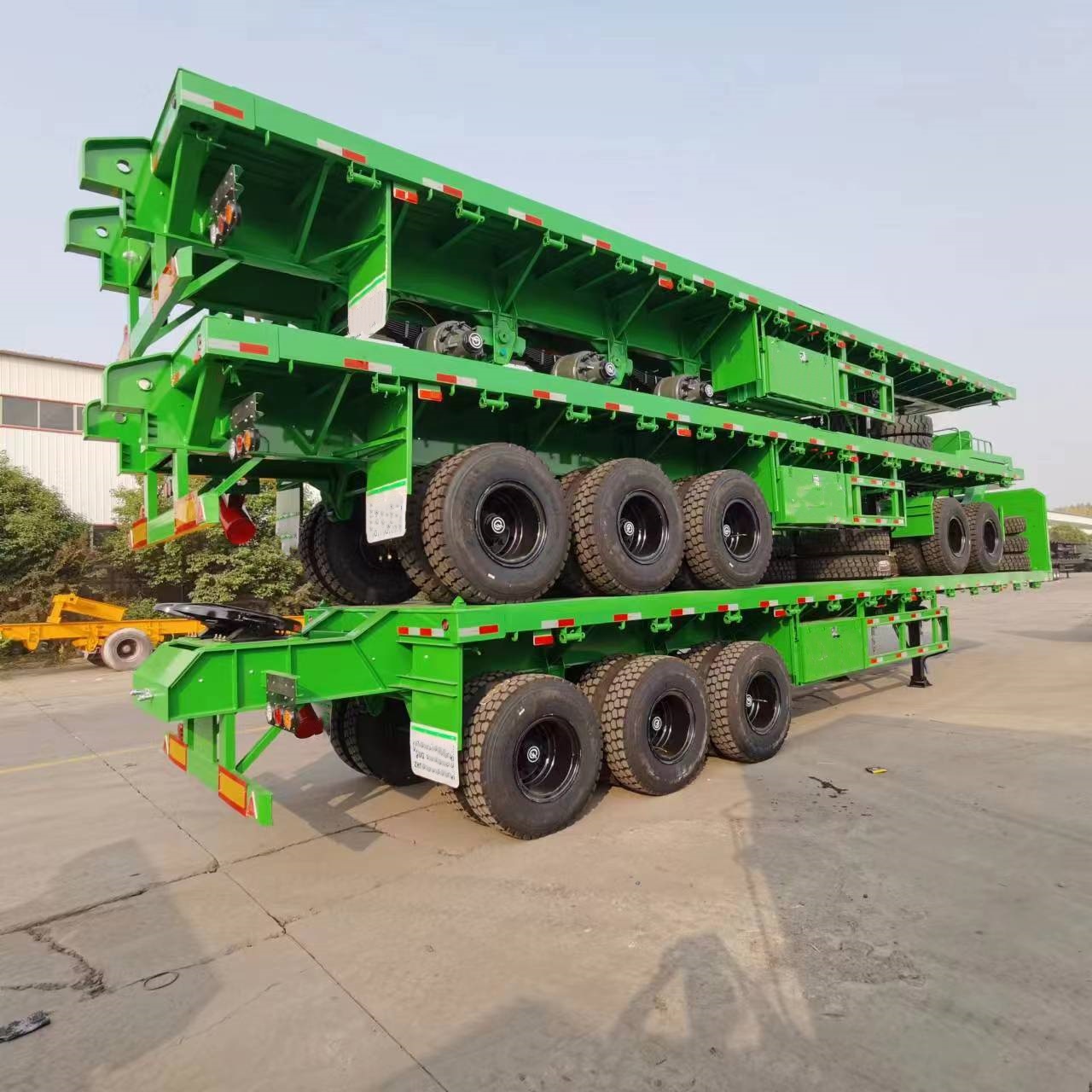
Flatbed transport semi-trailers are widely used in the logistics and transportation sectors due to their unique performance advantages. These advantages stem from their design and operational flexibility, which make them suitable for transporting various types of cargo. Here are some of the key performance advantages of flatbed transport semi-trailers:
1. Versatility in Cargo Transport
- Accommodates Various Loads: Flatbed semi-trailers can transport a wide range of cargo types, including oversized items like construction materials (steel beams, lumber), machinery, and vehicles. Their open design allows for easy loading and unloading of irregularly shaped items.
- Multiple Loading Options: Cargo can be loaded from the sides, back, or top, providing flexibility depending on the type of equipment used and the site conditions. This capability is particularly useful for companies in construction, manufacturing, and shipping industries.
2. Efficient Loading and Unloading
- No Enclosed Sides: The absence of side walls allows for quick access to load and unload cargo without the need for specialized equipment for opening and closing doors, as in enclosed trailers.
- Use of Heavy Equipment: Flatbeds can easily accommodate forklifts, cranes, or other heavy machinery, facilitating efficient loading operations. This is particularly advantageous for transporting large pallets or machinery that require heavy lifting.
3. Weight Distribution and Stability
- Load Bearing Capacity: The flat design of flatbed trailers allows for a more even weight distribution across the trailer, which contributes to overall stability during transportation. This helps prevent cargo shifting and reduces wear on the tires and suspension.
- Multi-Axle Configurations: Many flatbed trailers use multi-axle setups, which can distribute heavy loads more effectively and improve road stability, particularly when navigating uneven terrain.
4. Enhanced Visibility and Safety
- Increased Driver Visibility: Drivers have better visibility of their surroundings with an open deck, enhancing safety while on the road. This visibility is beneficial in preventing accidents and improving overall road awareness.
- Load Visibility: The open design also allows drivers to monitor their cargo easily while in transit, helping to identify any potential issues sooner (e.g., shifting loads).
5. Cost-Effectiveness
- Reduced Manufacturing Costs: The simpler design of flatbed trailers generally results in lower manufacturing costs when compared to enclosed trailers, which can translate into savings for transport companies.
- Lower Tarping Costs: While some loads may require coverings to protect against the elements, many flatbed loads do not need tarping, reducing additional costs associated with securing the cargo.
6. Flexibility in Transport Regulations
- Overdimensional Capacity: Flatbed trailers are often better suited for transporting over-dimensional cargo without the need for special permits, as they are usually designed to operate within legal height limits while carrying taller items.
- Compliance with Regulations: Their ability to carry a variety of loads while conforming to transport regulations makes them ideal for diverse logistical solutions.
7. Adaptive for Different Applications
- Customizable Design: Many flatbed trailers can be customized with various add-ons, such as tarps, side rails, or specialized tie-down systems, allowing companies to tailor the trailer for specific cargo needs.
- Use in Different Industries: Flatbed trailers are utilized across many industries, including construction, agriculture, and manufacturing, making them a versatile asset in any transport fleet.
8. Improved Damage Prevention
- Open Structure Reduces Damage: The open design prevents cargo from being damaged by being cramped against walls, as might occur in enclosed trailers. Proper tie-down methods also mitigate the risk of cargo damage during transit.